

The Paper Problem: They Lied About the “Paperless” Home
De-cluttering paperwork. Ug! So much for the paperless home we were promised when computers arrived. They lied. Or maybe they didn’t know — that’s me being nice. My biggest organizing challenge has always been de-cluttering paperwork — it seems to multiply the moment I turn my back.
For some people, it’s clothes or collectibles that are hardest to let go of. For me, it’s paper — binders, files, conference notes, vendor catalogues, and the piles of “maybe useful someday” information.
If paperwork has been piling up for years and feels emotionally heavy, you may also want to read Clutter Holding You Hostage, where I explore why clutter lingers and how it quietly drains our energy and focus.
Paper, Paper, Paper
I’m a note taker. A list maker. A lifelong collector of ideas. I love gathering information for myself, for friends, for clients, for anyone who might benefit. But I’ve learned something: hoarding information prevents me from moving forward.
Do you suffer from the same affliction?
Let’s talk about how to move forward — kindly, practically, and with a touch of humour. (And yes, sometimes I have to give myself a good hard kick to get started. I may not be able to sit down for a while!)
Why De-Cluttering Paperwork Is So Hard
Paper triggers our emotions. It represents knowledge, connection, or a version of ourselves we don’t want to lose.
Here are the reasons I (and maybe you) cling to it:
- If I don’t see it, I might forget it.
- If I don’t save it, I might lose valuable information.
- If I throw it out, I might regret it.
Sound familiar? Recognizing these thoughts is the first step to shifting them.
Because here’s the truth: keeping everything doesn’t preserve knowledge — it hides it.
The Great Paper Purge (A True Story)
Last year, I decided to tackle my ancient tax files — the ones that hadn’t seen daylight in decades. I shredded and shredded until I had 10 or 12 garbage bags full of confetti. I loaded them into my car and drove to the recycling depot, gleefully dumping them one by one.
It was a merry-making occasion.
And yet… somehow, the paper found me again. It grows when you turn your back.
Trade shows. Training binders. Magazines. Notes. More notes.
If you can relate, take heart — you’re not alone, and you’re not failing. Paper has a way of multiplying, but it can be tamed with the right mindset and systems.
Steps to Organizing Your Paper
Step 1: Reflect on How You Want to Live
Before de-cluttering paperwork or sorting a single pile, take a moment to visualize the lifestyle you want. How do you want to feel when you walk into your home? Calm? Clear? Focused?
Ask yourself:
- What’s my vision for my space?
- How does paper clutter get in the way?
- What would freedom from it look like?
Write down your answers — and when they’ve served you, recycle that page! Don’t let those reflections become the next pile.
Step 2: Create Simple Categories
Whether paper or digital, organizing by broad categories helps keep life admin manageable:
Shelter: Home, property, renovations, warranties
Banking: Finances, taxes, investments
Purchases: Receipts, warranties, insurance claims
Work: Career materials, education, contracts
Personal: Family, health, keepsakes
When you look through these, ask:
- Does this paper still serve me?
- Am I keeping it to validate a past role or identity?
- Could I reframe it and let it go?
Sometimes our files represent our life’s work. If you’ve been downsized, retired, or changed paths, those folders can hold emotional weight. Honour what they meant — and then free the space for who you’re becoming next.
Step 3: Organize Tax, Banking, and Utility Documents
Here’s where practical meets peace.
Tax & Banking:
- Keep tax returns and supporting documents for seven years (or the minimum required by law).
Download banking statements and store them digitally — most banks offer easy online access.
Utilities & Invoices:
- Opt for paperless billing where possible. Save PDFs of invoices in clearly named folders (e.g., “Utilities_2025”).
And after that magical seven-year mark? The “Admin Police” will not come knocking. Give yourself permission to keep only the summaries or digital copies.
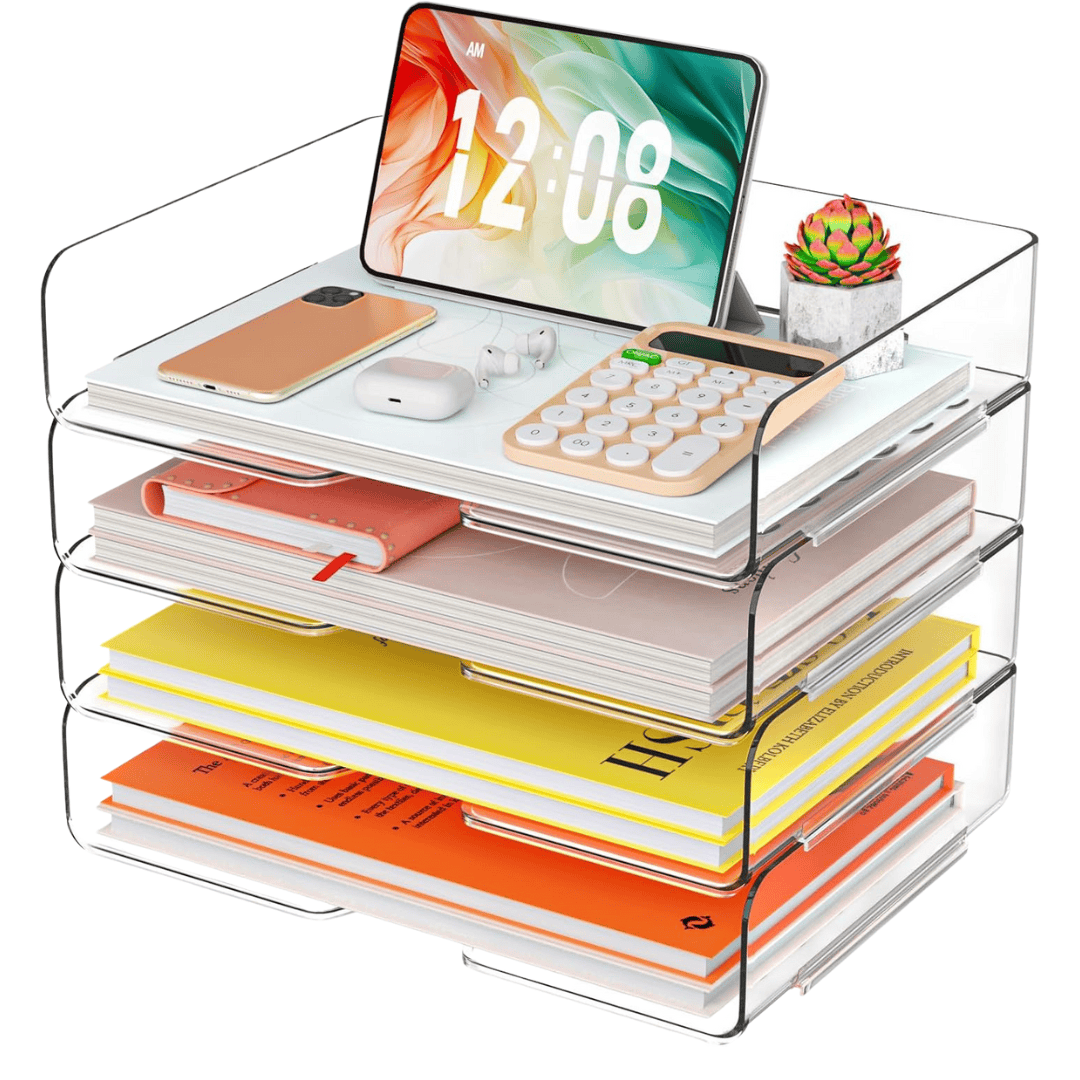
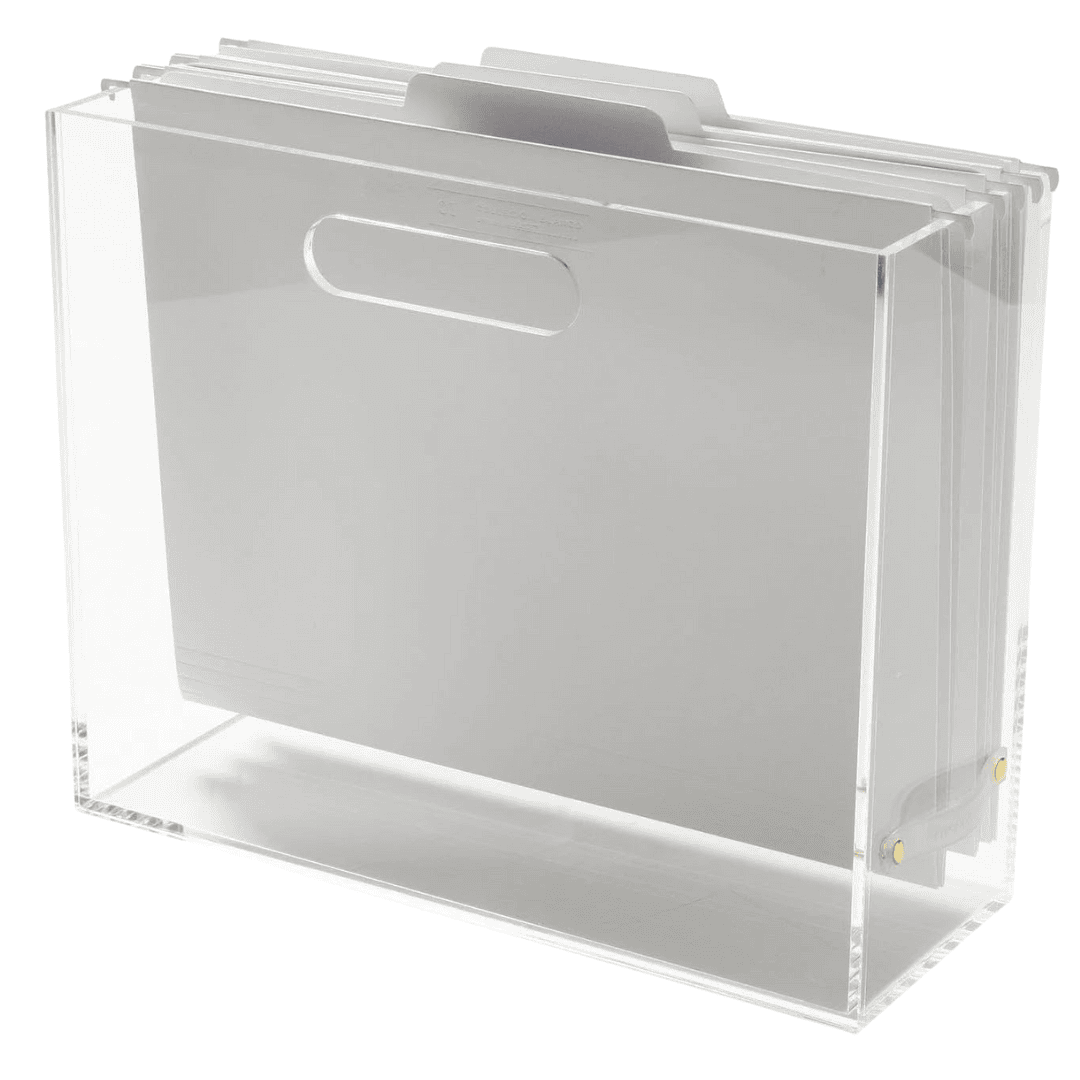

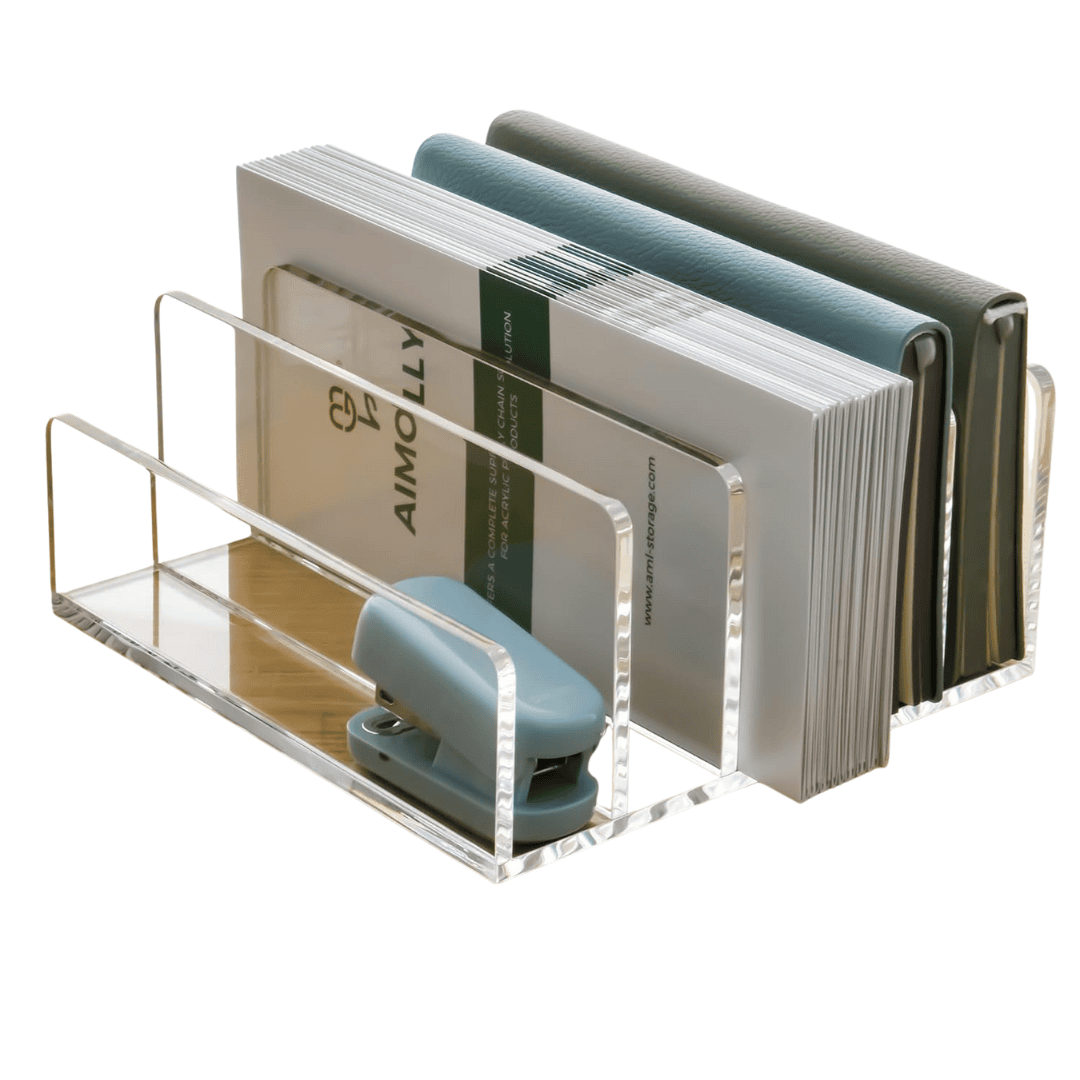
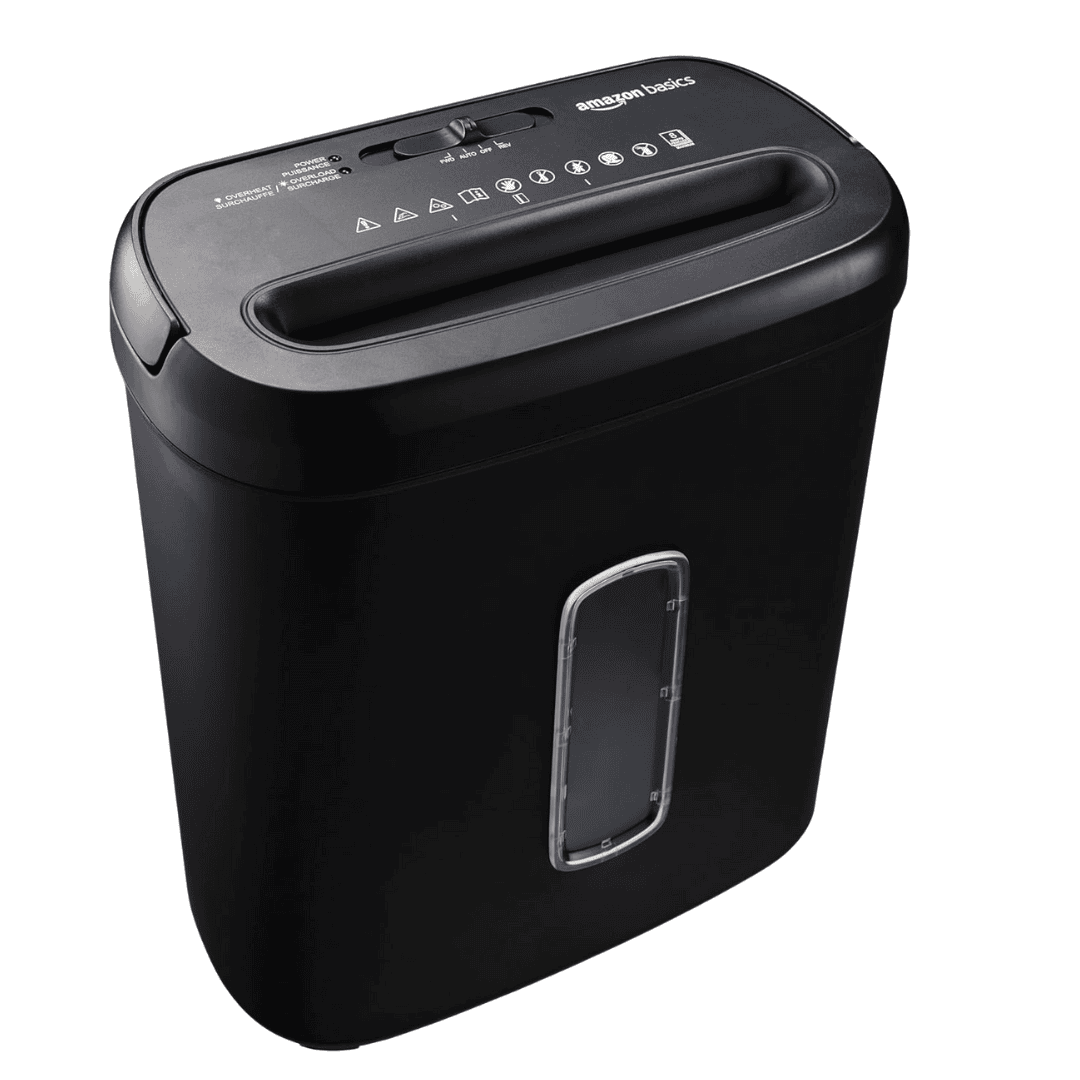
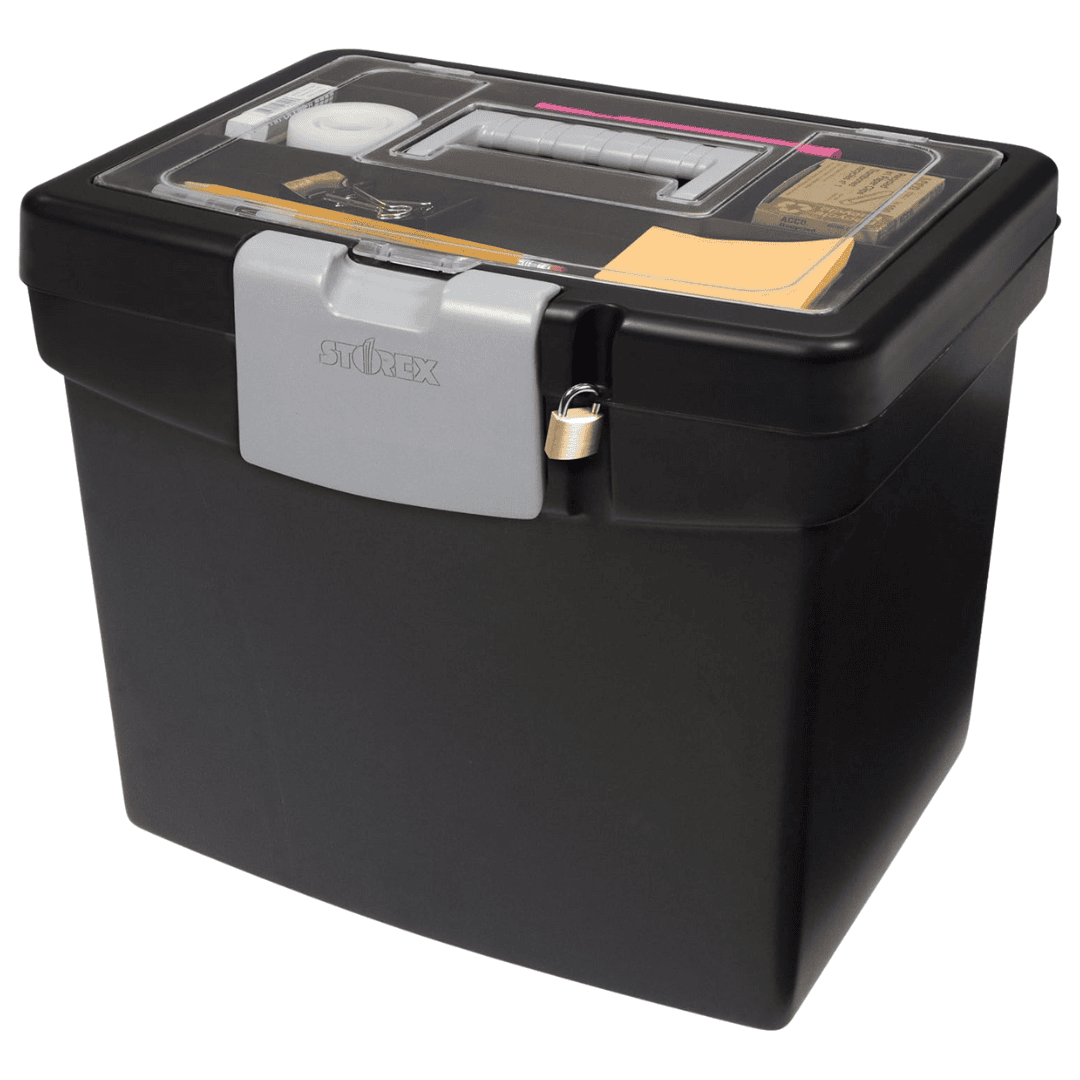
File Storage Off the Desk
(In a cabinet, on a shelf, or discreetly nearby)
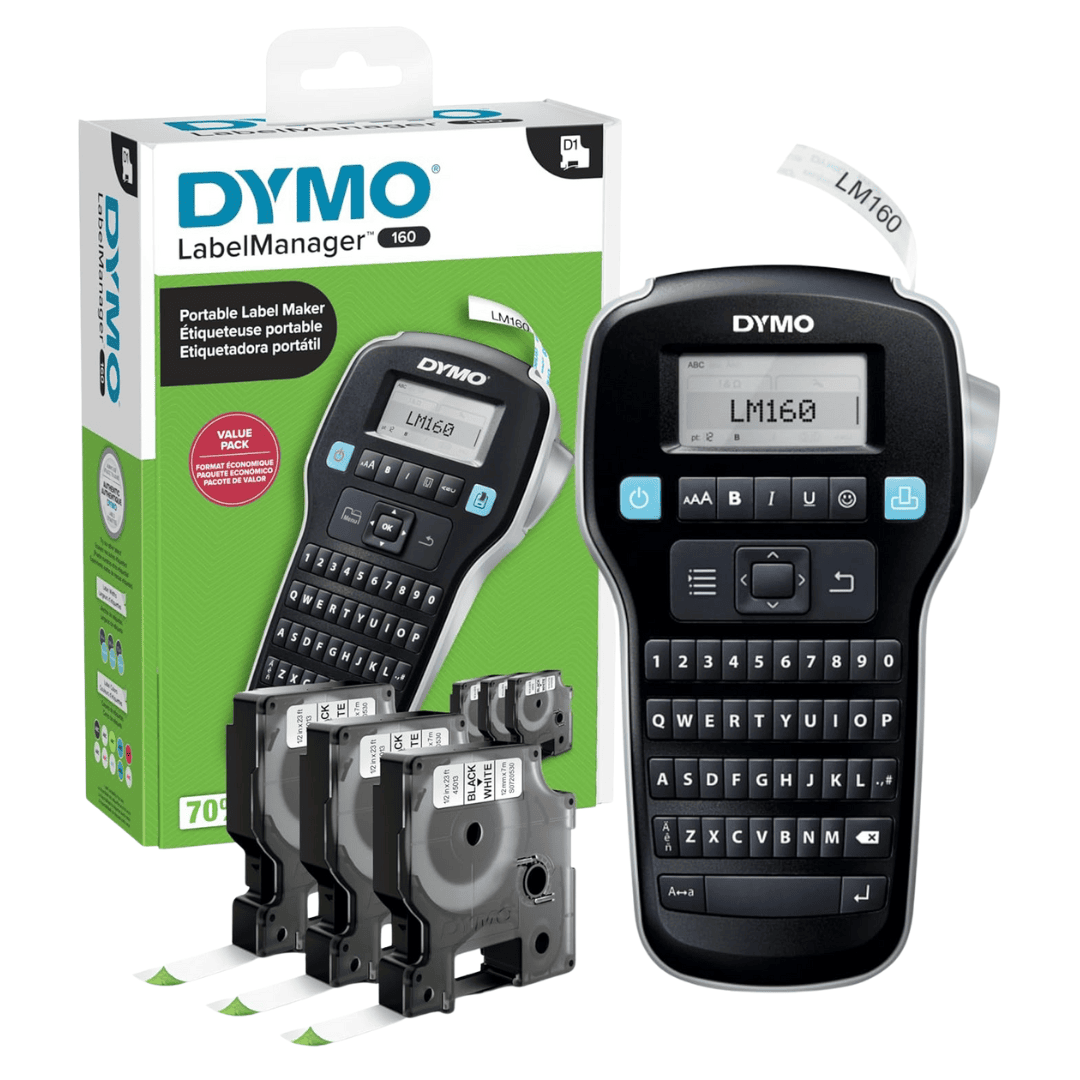
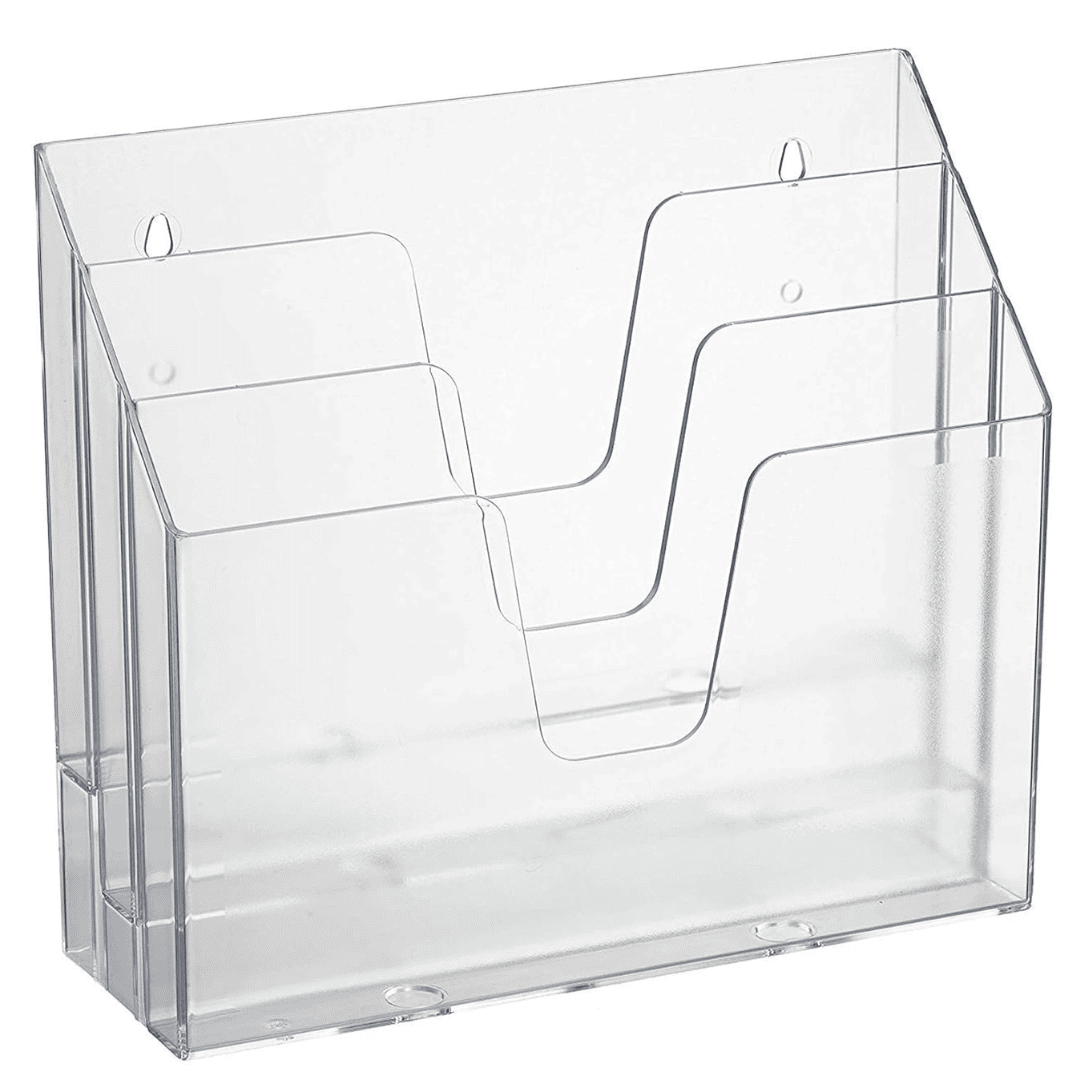
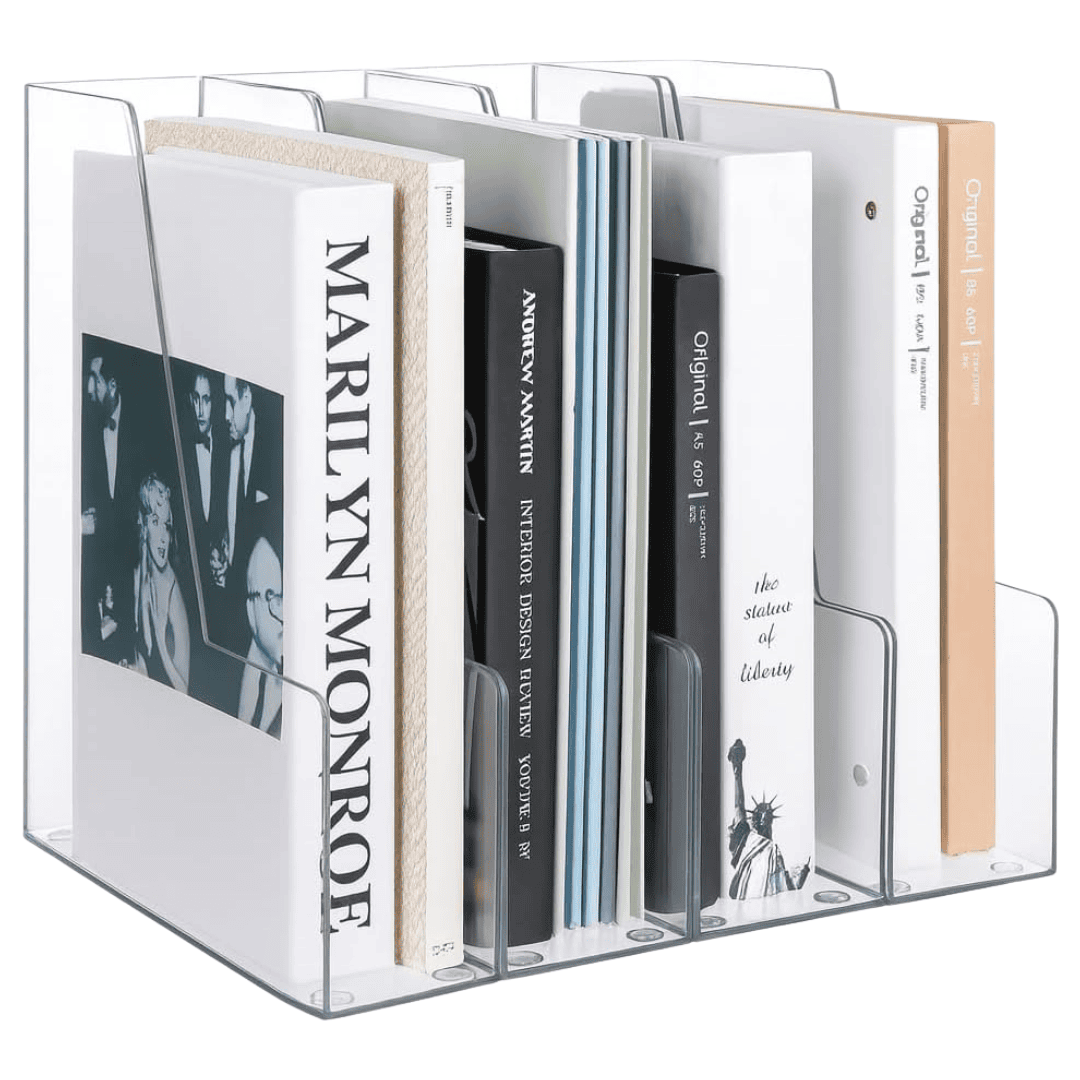
Once paperwork has been reviewed but still needs to be kept accessible, it should move off your desk.
These solutions are for short- to medium-term storage — documents you may need again, but not today. Keeping them contained and out of sight helps prevent surface clutter from creeping back.
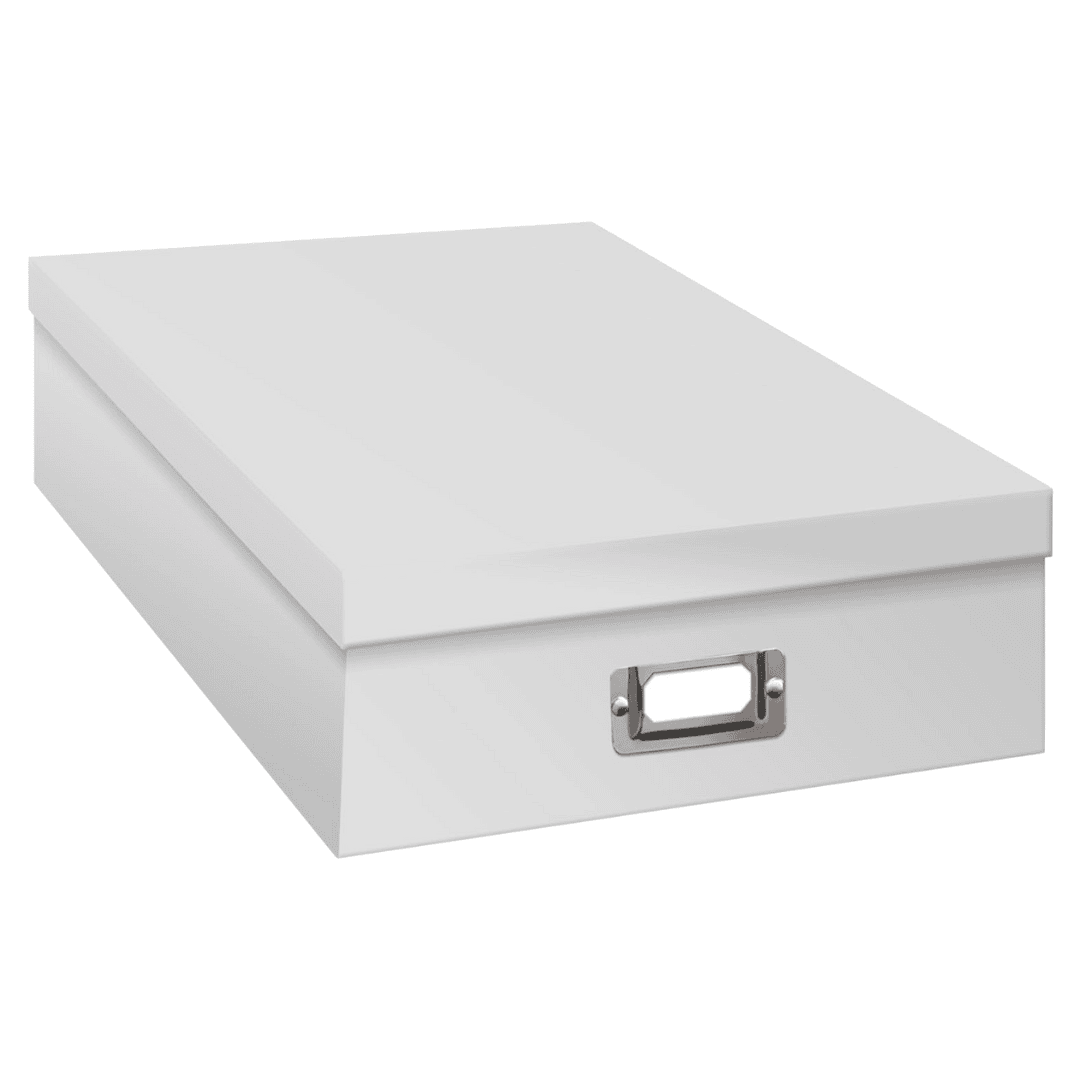
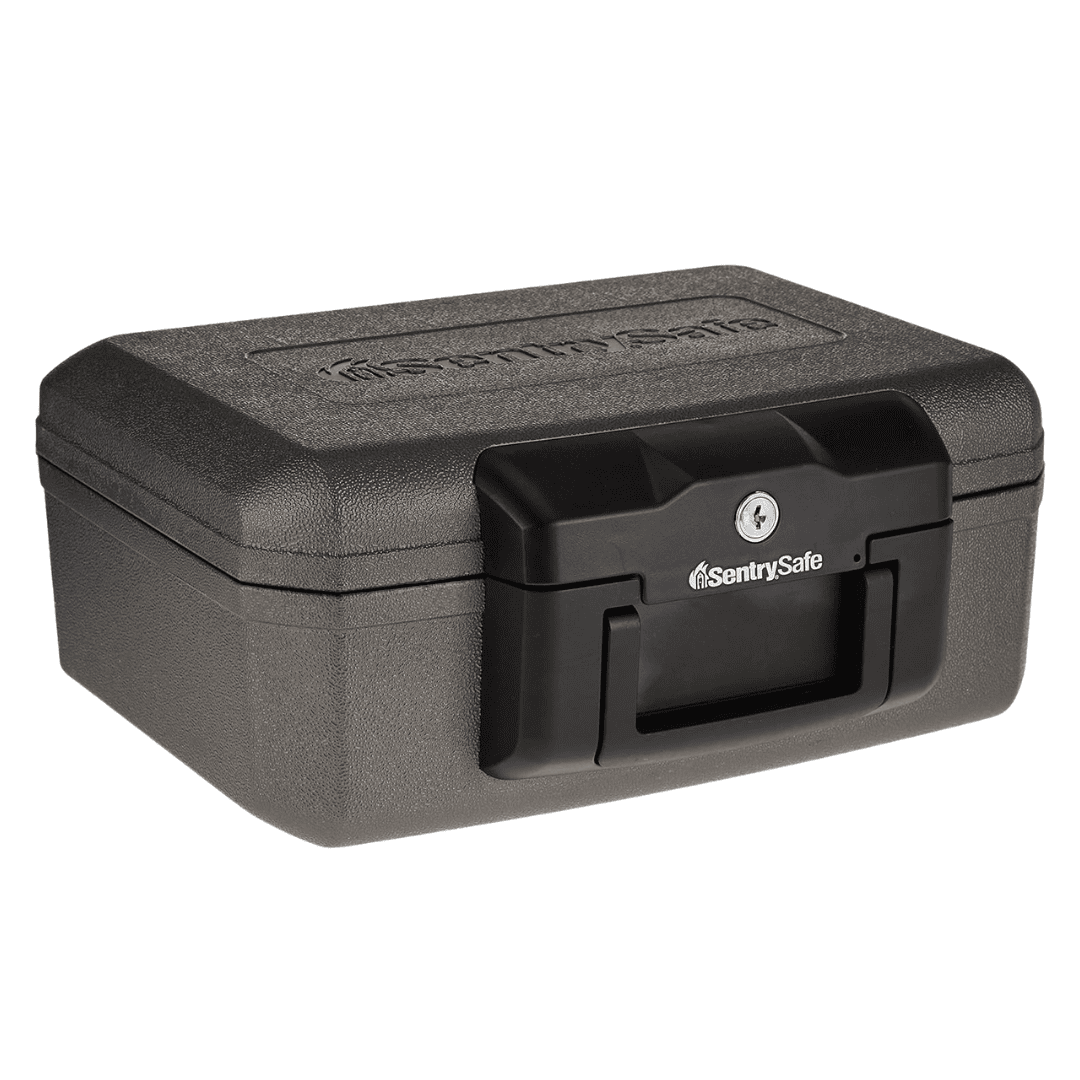
Long-Term Paper Storage
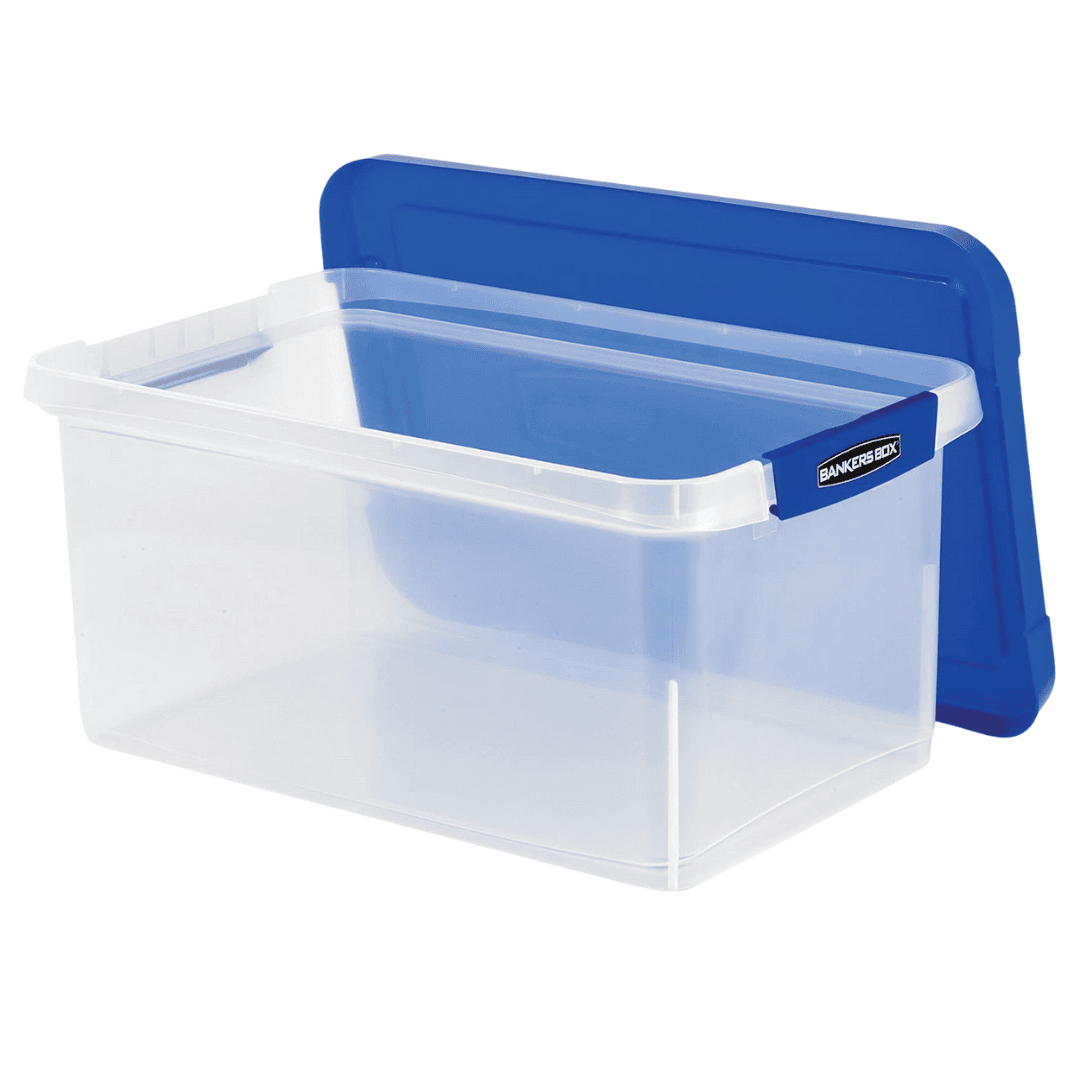
(For documents you keep intentionally)
This final category is for paperwork you’ve consciously decided to keep — tax records, legal documents, property information, and family records.
These containers should be limited, clearly labelled, and stored out of daily sight. If you have more boxes than you can easily name or lift, it’s time to revisit what’s inside.
Step 4: Sentimental Papers and Keepsakes
Cards, letters, and notes connect us to our history, but too many can weigh us down.
Try This:
- Create a memory box for each family member.
- Keep only what fits — if it’s overflowing, it’s time to curate.
- Digitize fragile or bulky items.
Step 5: Children’s Artwork and School Papers
Kids’ papers arrive daily — artwork, homework, newsletters, report cards. Without a plan, they’ll overrun your fridge.
Three-Zone Method:
- Display: Hang favourites on a corkboard or art wire.
- Store: One folder or bin per school year.
- Digitize: Use apps like Artkive or Keepy to create photo books.
Step 6: Home and Property Information
From appliance manuals to paint colours, these papers are essential but easy to misplace.
Create a Home Reference Binder (physical or digital) with sections for:
- Appliance manuals and warranties
- Paint and finish colours
- Renovation receipts
- Service providers
- Real estate records
Step 7: Let Go of Old Work Papers and Contracts
If you haven’t opened a training binder or conference notebook in over a year, it’s probably time to recycle it.
Ask yourself:
- Is this information available online?
- Does it still serve my current goals?
- Do I just like the idea of having it?
If your company keeps copies of contracts, you don’t need to hold onto duplicates. Scan important pages, save them digitally, and let the rest go.
Remember: the “Admin Police” won’t show up at your door. You can safely choose what matters.
Step 8: Go Digital and Simplify “Life Admin”
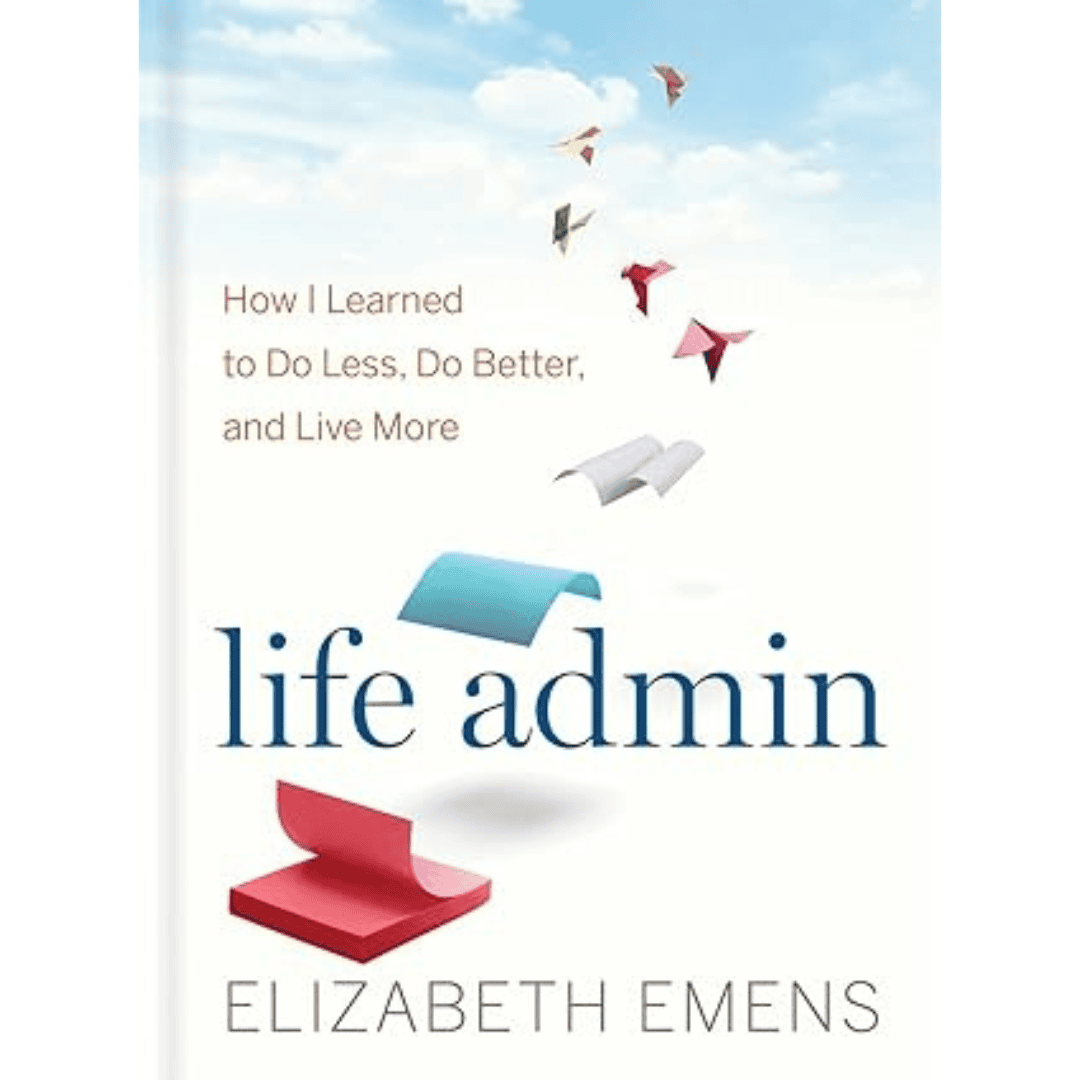
Life admin — the behind-the-scenes chores like bill paying, filing, and form-filling — can quietly steal your time and joy. As author Elizabeth Emens explains in her book Life Admin, these invisible tasks often go unnoticed and unappreciated.
Going digital is one of the most powerful tools for de-cluttering paperwork — and for reclaiming both time and energy. Digital organization can help reclaim some of that energy:
- Use consistent file names (“2025_Taxes” or “Kitchen_Reno”).
- Store documents in both cloud and local backups.
- Schedule a quarterly “digital tidy-up.”
Apps like Notion, Evernote, and Google Drive make it easy to find what you need instantly — no more paper piles, no more guilt.
Recommended Reading
Final Thoughts
Decluttering paperwork isn’t just about tidying — it’s about letting go of what holds you back.
Paper can represent ideas, effort, identity, and even love. But when it overwhelms your space, it quietly steals your time and energy.
Start small. Be kind to yourself. Shred, scan, and smile through it.
And when you finally close that last file box, take a deep breath — because the calm that follows? That’s freedom.
This post contains affiliate links, which means I may earn a small commission if you choose to make a purchase — at no additional cost to you. As an Amazon Associate, I earn from qualifying purchases. All product information is provided by the retailer, and pricing or availability may change at any time.
Add Your Heading Text Here
You can read the following book reviews for inspiration or visit the Organize & Simplify Shop Page for more organizing products.
Book Review : Decluttering at the Speed of Life
Book Review: The Clutter Connection
