
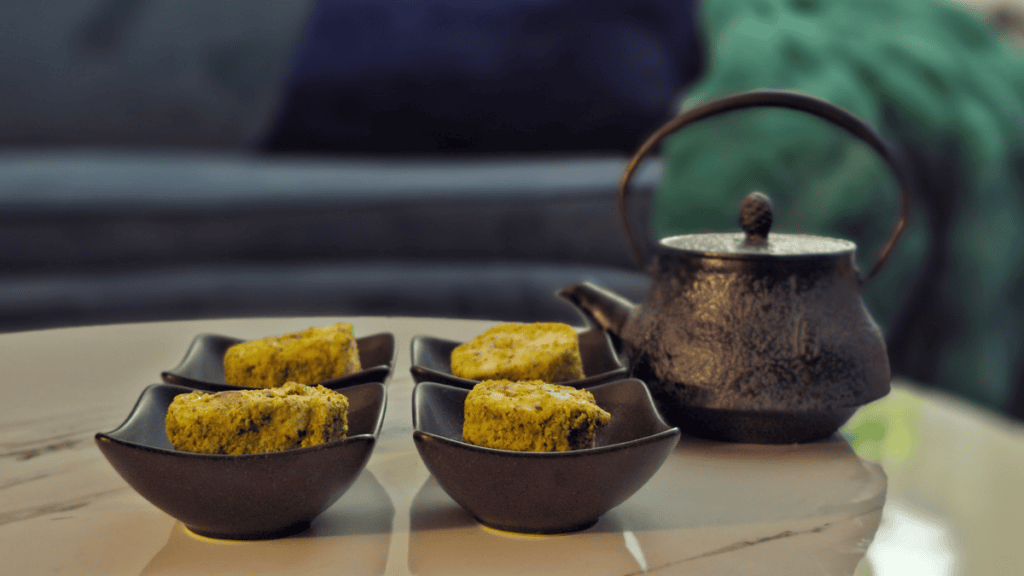
Japanese Philosophy of Ma: The Space Between
January arrives with a different energy.
After the fullness of December — the gatherings, the commitments, the visual noise — the start of the year often feels stripped back and quiet. Decorations are stored away, calendars reset, and suddenly there is space.
Rather than rushing to fill that space, Japanese philosophy offers a more thoughtful approach: leave it intentionally open.
This idea is known as Ma (間).
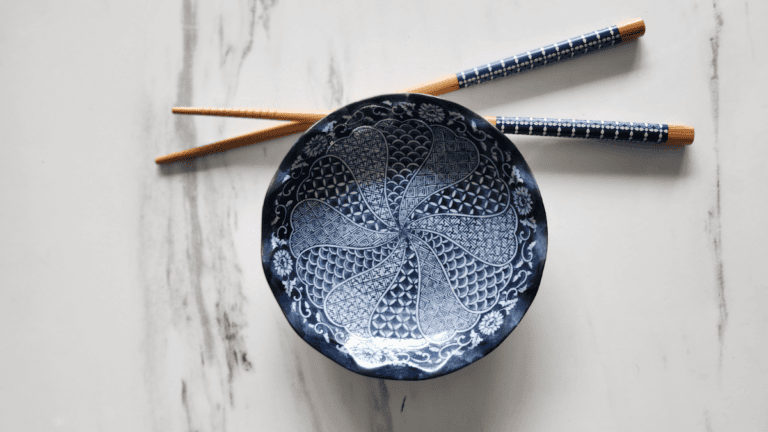
Ma and the Beauty of Intentional Space
The Japanese philosophy of Ma is often translated as space, pause, or interval, yet its meaning runs much deeper. It is not emptiness in the Western sense. Instead, Ma is purposeful space — space that gives form, clarity, and meaning to what surrounds it.
In Japanese aesthetics, what is absent plays just as important a role as what is present.
You see Ma expressed everywhere:
In the pause between musical notes
In the silence that allows conversation to breathe
In uncluttered interiors where the eye can rest
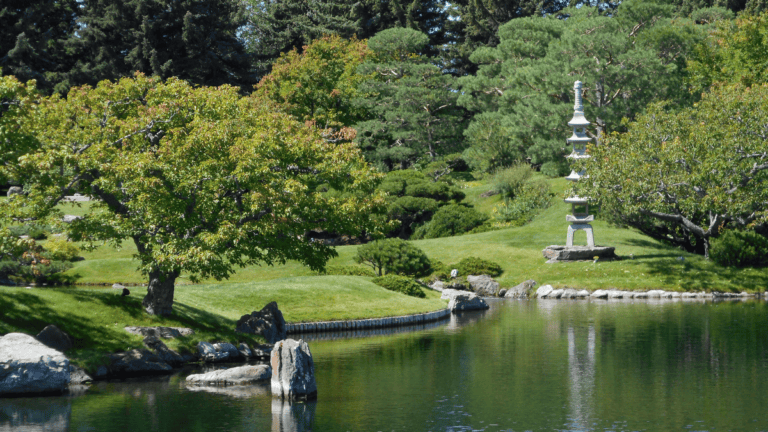
In winter gardens that invite stillness and reflection
Without Ma, spaces — and lives — feel crowded. With it, they feel calm and intentional.
Why Ma belongs at the beginning of the year
January naturally invites Ma.
The pace slows. Energy softens. The urgency of the holidays fades. Rather than resisting this quiet, Ma encourages us to honour it.
In Japanese culture, after formal New Year celebrations conclude, daily life resumes gently. There is no rush to declare goals on January 1st. Instead, direction is allowed to emerge gradually, once space has been created.
As a result, decisions feel more grounded — not reactive.
Choosing space over urgency
In contrast, Western culture often treats January as a demand:
Set resolutions immediately
Fill the calendar quickly
Be productive from day one
However, Ma offers a counterbalance.
By beginning the year with space, we:
Make clearer decisions
Reduce mental and visual clutter
Avoid unnecessary overwhelm
Create room for intuition and focus
In other words, a year that begins quietly often unfolds with greater intention.
Ma in interiors — and in life
If you are drawn to timeless interiors, Ma may already feel familiar.
Think of:
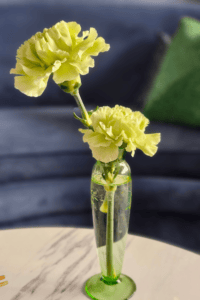
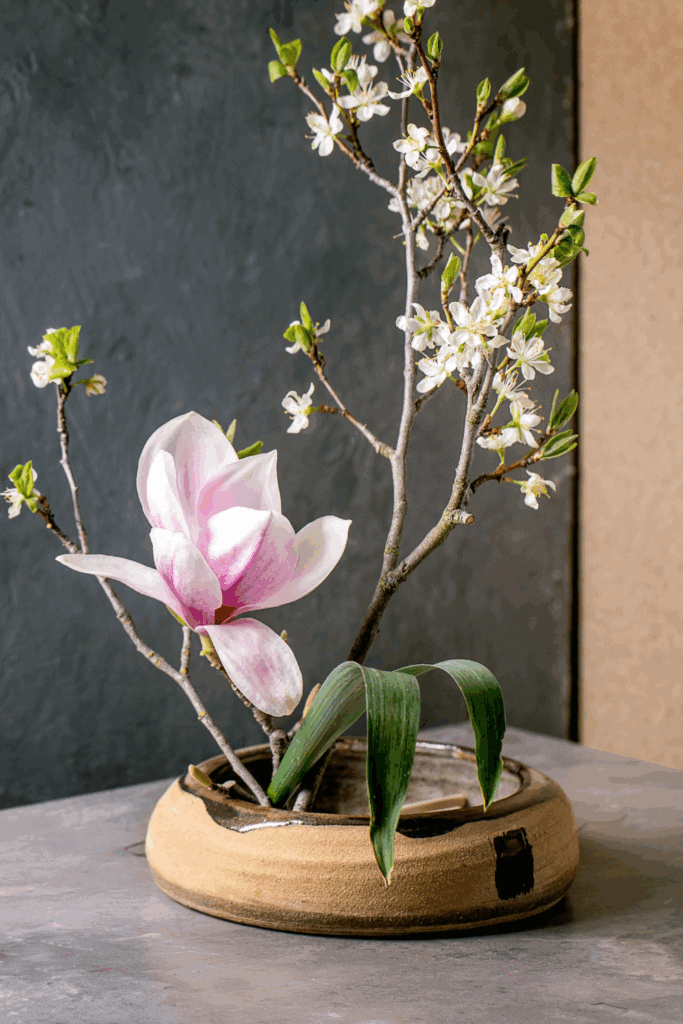
A single branch placed thoughtfully in a vase
An uncluttered room where furniture can breathe
Negative space that enhances proportion and balance
A home that feels calm rather than over-styled
The same principle applies beyond design.
When every surface, schedule, and season is overfilled, there is no room for clarity. Ma restores balance by reminding us that restraint is not lack — it is refinement.
How Ma shows up in interiors — and in life
If you are drawn to timeless interiors, Ma may already feel familiar.
Think of:
A single branch placed thoughtfully in a vase
An uncluttered room where furniture can breathe
Negative space that enhances proportion and balance
A home that feels calm rather than over-styled
The same principle applies beyond design.
When every surface, schedule, and season is overfilled, there is no room for clarity. Ma restores balance by reminding us that restraint is not lack — it is refinement.
How to practice the Japanese philosophy of Ma this January
Practicing Ma does not require adding anything new. Instead, it asks us to pause before adding.
This January, consider:
Leaving your calendar intentionally lighter
Delaying major decisions until clarity forms
Clearing physical clutter before setting goals
Sitting with questions rather than rushing answers
Allowing January to be preparatory, not performative
- Taking the time to re-organize and de-clutter a drawer or two, discarding what no longer works, and in preparation for the year ahead
By doing so, you create space for the year to reveal itself — naturally and thoughtfully.
If you are looking for some questions to ponder about how you’d like your life and home to support you consider reading this post I wrote called Design Your Home to Support Your Life Goals. You can read that post HERE.

Beginning the year with intention
The Japanese philosophy of Ma teaches us that emptiness is not absence. It is possibility.
When we leave space at the start of the year, we allow:
New ideas to surface
Energy to restore itself
Direction to emerge organically
Not everything needs to be decided in January.
Sometimes, the most meaningful way to begin is simply to leave room.
The year does not begin by filling it — it begins by allowing space for it to unfold.

Explore the Complete Japanese-Inspired Living Series
Inspired by Japanese concepts of simplicity, beauty, mindfulness, and intentional living, this series explores timeless ideas that can help create a calmer, more meaningful home. Begin with the hub page for an overview, browse the curated shop collection, or explore each philosophy individually.
Start Here: Japanese-Inspired Living Hub
Shop the Collection: Shop Japanese-Inspired Living
Explore the Philosophies Below
Seiri: Creating Order by Choosing What to Keep – Clear space by choosing what truly deserves a place
Kanso: Warm Simplicity – Embrace simplicity without sacrificing comfort or beauty.
Ma: The Space Between – Discover the power of intentional space and pause.
Shibui: Quiet, Understated Beauty – Find elegance in subtle details and restrained design.
Ikigai: A Reason for Being – Explore purpose, meaning, and everyday fulfillment.
Shibumi: Effortless Excellence – Pursue refinement through ease, grace, and simplicity.
Wabi-Sabi: Beauty in Imperfection – Appreciate imperfection, authenticity, and the passage of time.
Ichigo Ichie: One Moment, One Meeting – Cherish each moment as unique and unrepeatable.
Mushin: Calm Focus – Cultivate clarity by letting go of mental clutter.
Kaizen: Continuous Improvement – Create lasting change through small, consistent steps.
