Legendary Red Rooms That Changed Interior Design
Red has never been a colour for the faint of heart. Across history, the most memorable interiors prove that when red is used with intention and conviction, the result is unforgettable. These rooms did not merely include red — they committed to it. The designers behind them understood red as powerful, sophisticated, dramatic, and deeply personal.
This is a look at legendary red rooms, the cultural meaning of red, and how red is used in interior design today.
Diana Vreeland’s “Garden in Hell” — New York, 1970s
Diana Vreeland’s legendary New York living room — designed with Billy Baldwin — treated red not as accent, but as immersion. Walls and textiles layered crimson upon scarlet in unapologetic saturation. Fashion icon and former editor-in-chief of Harper’s Bazaar and Vogue, Vreeland believed red was a lifestyle rather than a decorative choice.
“Red is the great clarifier… bright and revealing. I can’t imagine becoming bored with red- it would be like becoming bored with the person you love.” — Diana Vreeland
Brooke Astor’s Red Lacquer Library — Park Avenue, New York
In contrast, Brooke Astor’s 1959 lacquered library, designed by Albert Hadley, demonstrated red’s disciplined side. Deep Chinese lacquer enveloped walls and bookshelves, creating warmth without spectacle.
Where Vreeland’s red performed, Astor’s red glowed. If Vreeland’s red room was theatrical, Brooke Astor’s red lacquer library was refined and disciplined.
The Red Room — The White House, Washington, D.C.
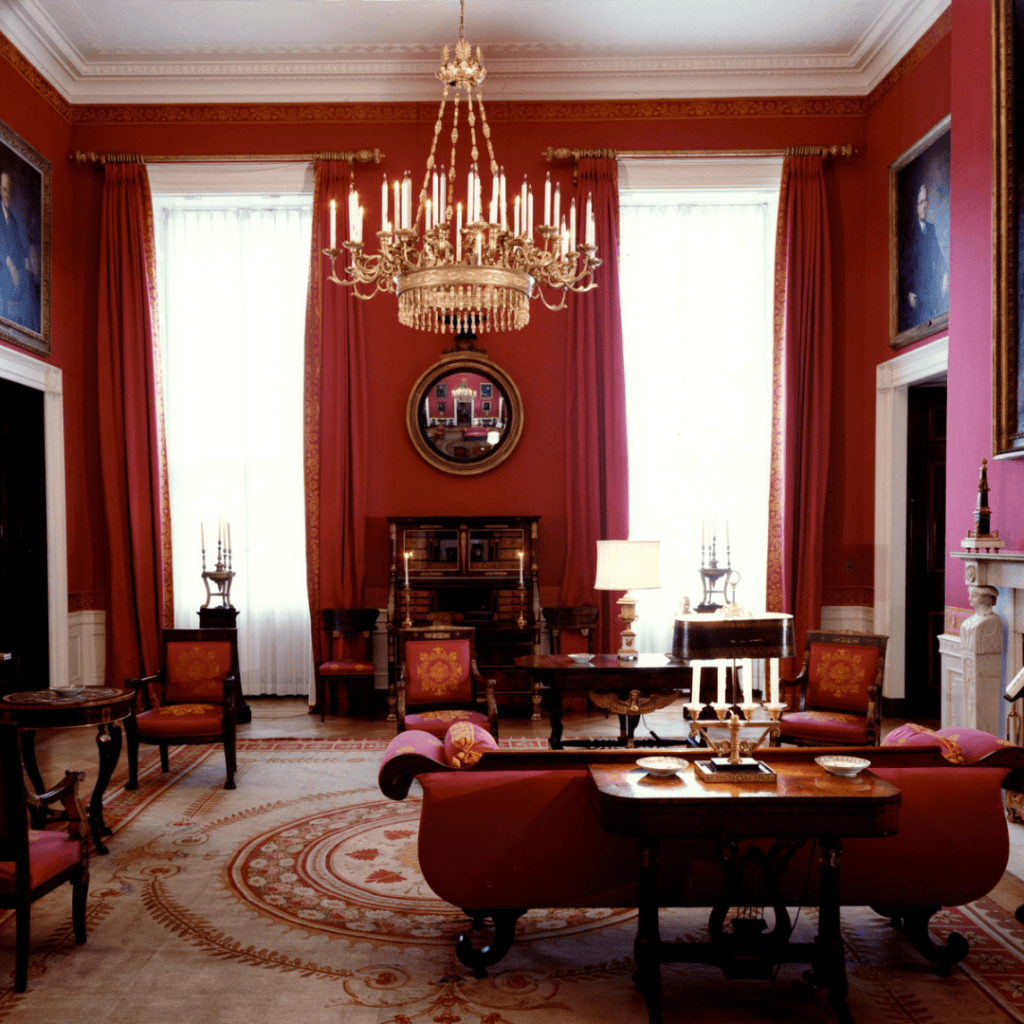
One of the most recognizable rooms in American history, the White House Red Room demonstrates red in its most ceremonial form. Designers over time have included Sister Parish, Stephane Boudin.
Wrapped in red moiré silk and accented with gilded details and classical furniture, the room has long served as a parlor for small receptions and important gatherings.
Here, red communicates:
• Hospitality
• Prestige
• Importance
It’s a reminder that red can convey authority quietly and beautifully.
Here: Jacqueline Kennedy’s 1962 redecoration of the Red Room established one of the most enduring interpretations of American Empire style — rich crimson walls, gilded accents, and sculptural seating forms that still influence contemporary design today.
Find out more about this room here: White House Historical Association
Red Beyond Rooms: Fashion, Art, and Cultural Power
Before we talk about using red at home, it’s important to understand why red holds such lasting influence.
Red in Fashion: A Statement of Confidence
Throughout history, red has been associated with power, wealth, and desire.
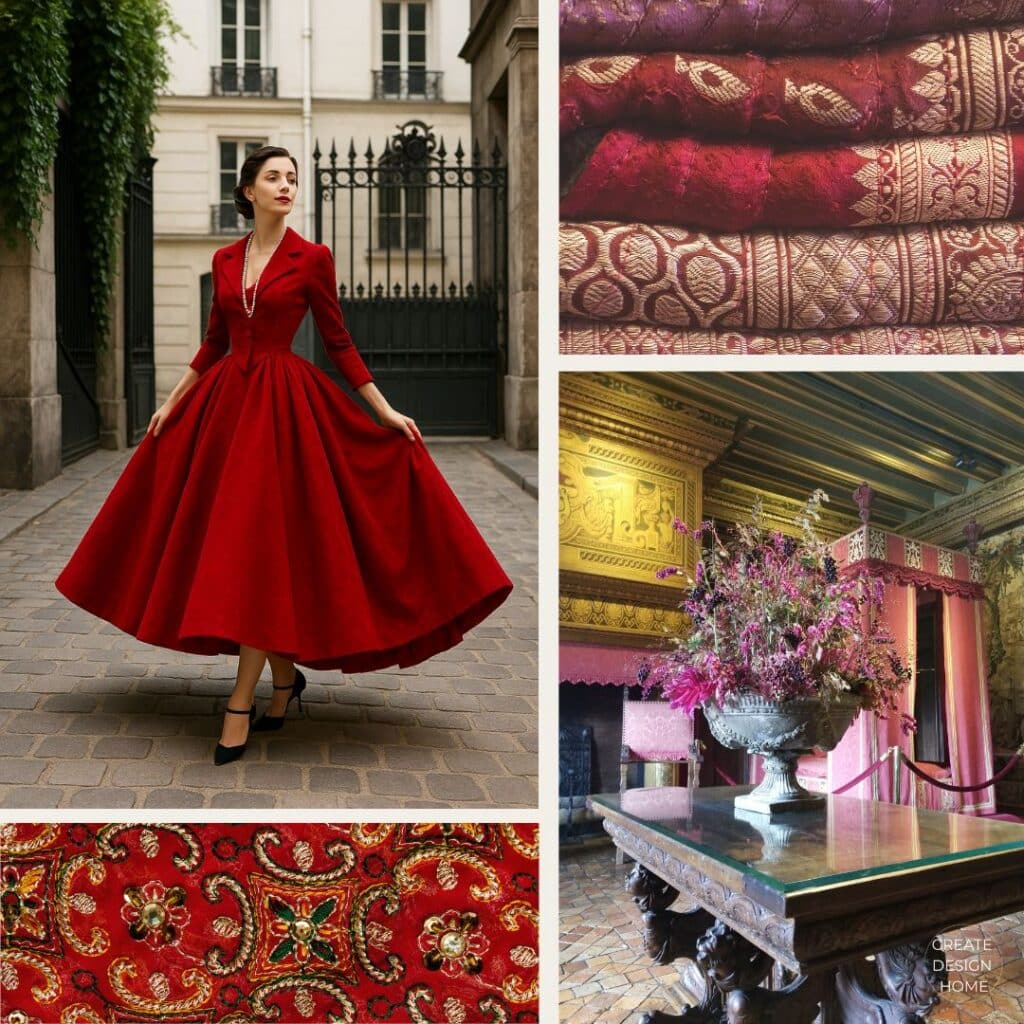
Throughout history, red has been a symbol of power and prestige in fashion. In medieval and Renaissance Europe, red clothing was reserved for the elite due to the costly process of producing red dye from cochineal and other natural sources. Kings, queens, and nobility often wore red to display their wealth and status. Red shoes, in particular, were a sign of aristocracy in both European and Chinese traditions.
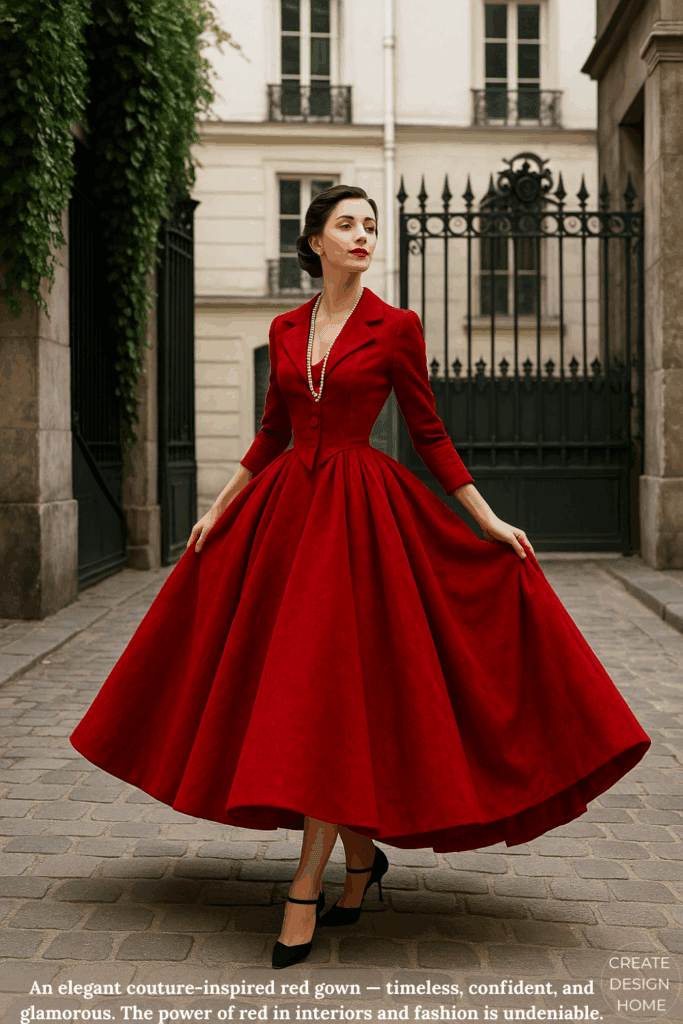
In modern fashion, designers such as Christian Dior and Christian Louboutin have embraced red as a signature of confidence and glamour.
The iconic red gown, red bottomed shoes, and red lipstick remain enduring symbols of strength, sensuality, and individuality.
Color of Confidence
Few designers understood the emotional charge of red better than Yves Saint Laurent, who used the color repeatedly throughout his career as a symbol of strength, sensuality, and artistic freedom. From couture gowns to sharply tailored suits, Saint Laurent’s reds were never sweet or timid — they were saturated, purposeful, and commanding. For him, red embodied the confident woman: independent, magnetic, and unapologetically present.
Glamour & Femininity
Similarly, the house of Balmain has long embraced red as a statement of glamour and bold femininity. Under Pierre Balmain and later creative directors, red became a recurring presence in structured eveningwear, dramatic silhouettes, and richly embellished designs. Balmain’s interpretation of red feels powerful and architectural — emphasizing confidence, allure, and couture-level craftsmanship.
The Color Red Commands
Across these designers, a consistent message emerges: red is not simply decorative. It is expressive and announces presence. It communicates strength before a word is spoken.
Red in History and Culture
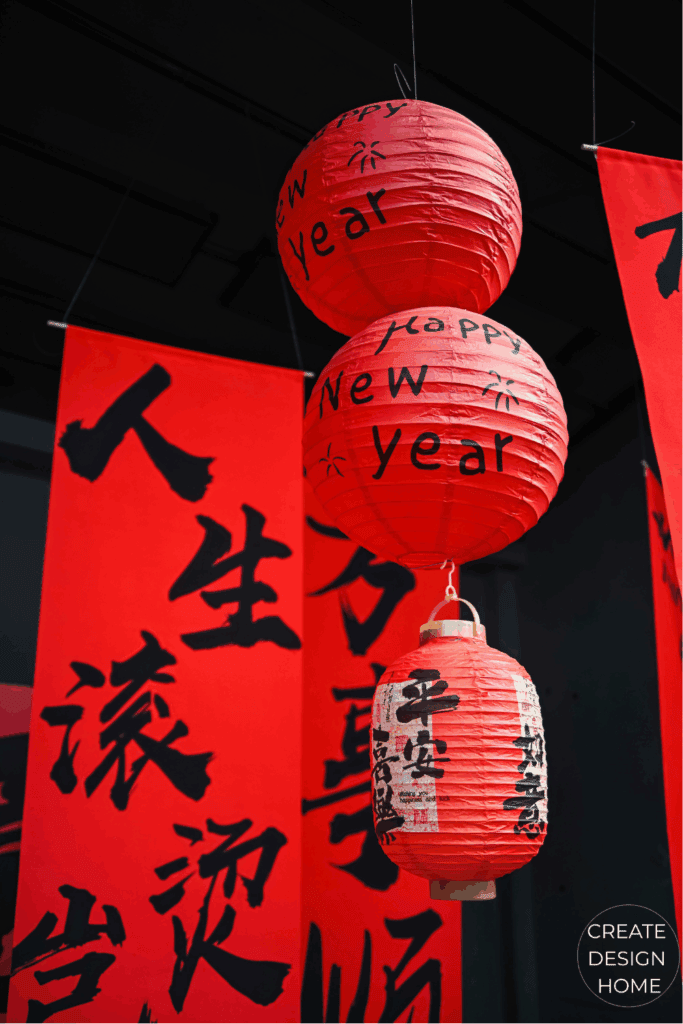
Across cultures, red takes on different meanings, but it is universally recognized as a powerful, attention-grabbing color. In Eastern cultures, particularly in China, red is associated with luck, happiness, and prosperity. It is the color of celebrations, used abundantly in weddings, festivals, and new year ceremonies. The bright, auspicious tone conveys energy, passion, and life, making it an integral part of Chinese traditions.
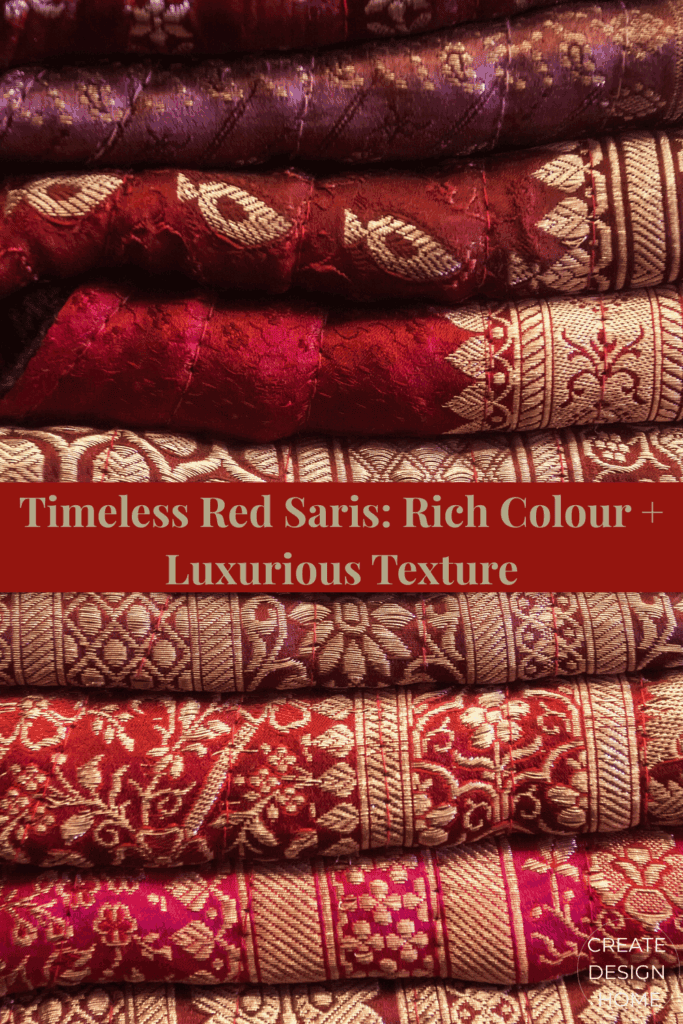
In India, red signifies purity, fertility, and marriage. Brides often wear red saris, and the color is linked to the goddess Durga, who represents strength and protection. Red bindi, worn on the forehead, is a cultural symbol of spirituality and tradition.
In Western cultures, red has more layered meanings. While it can symbolize love, desire, and passion—think of red roses and Valentine’s Day—it is also a warning sign, symbolizing danger or caution. This duality reflects the powerful and complex emotional associations with red, making it a color of both attraction and alertness.
Red has always been reserved for what matters most.
Red in Historic European Interiors
Across centuries, red has been reserved for rooms of importance. In royal and aristocratic interiors, deep reds signaled power, wealth, ceremony, and status. Pigments were costly, dyes were complex to produce, and richly saturated textiles immediately communicated privilege.
Rather than feeling decorative alone, red functioned as atmosphere — enveloping spaces in warmth, drama, and symbolic authority.
Red Fit for a King
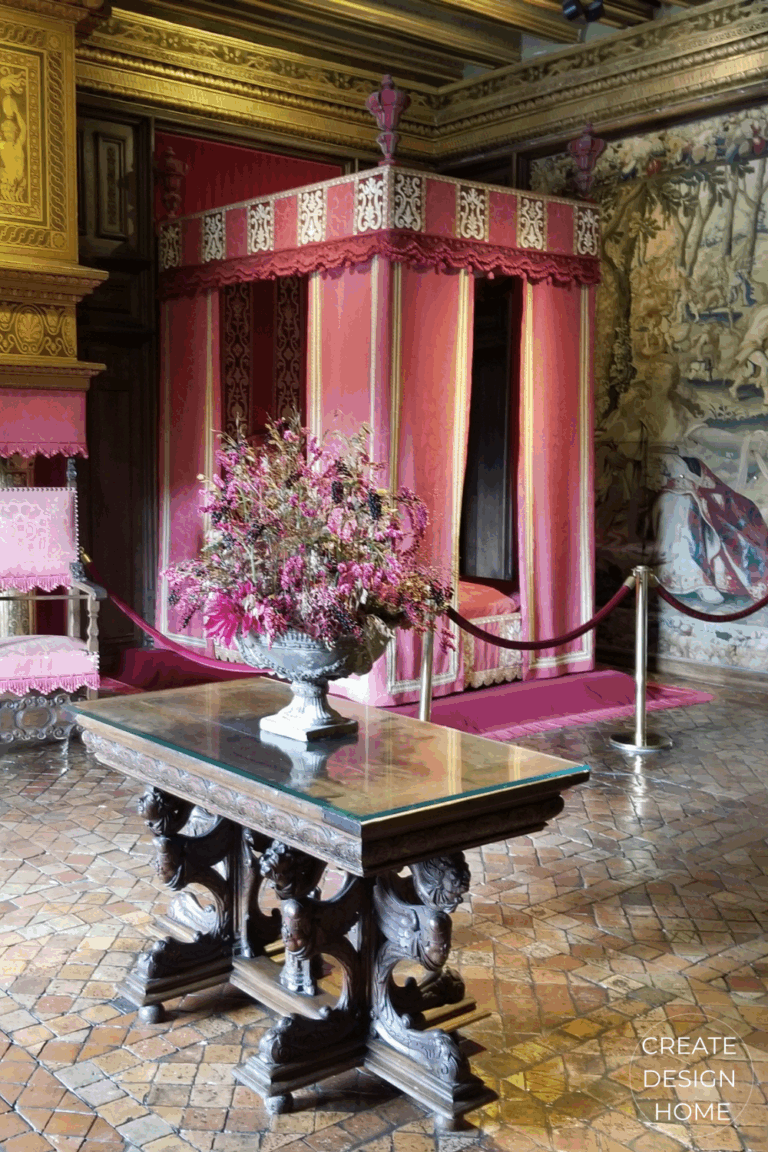
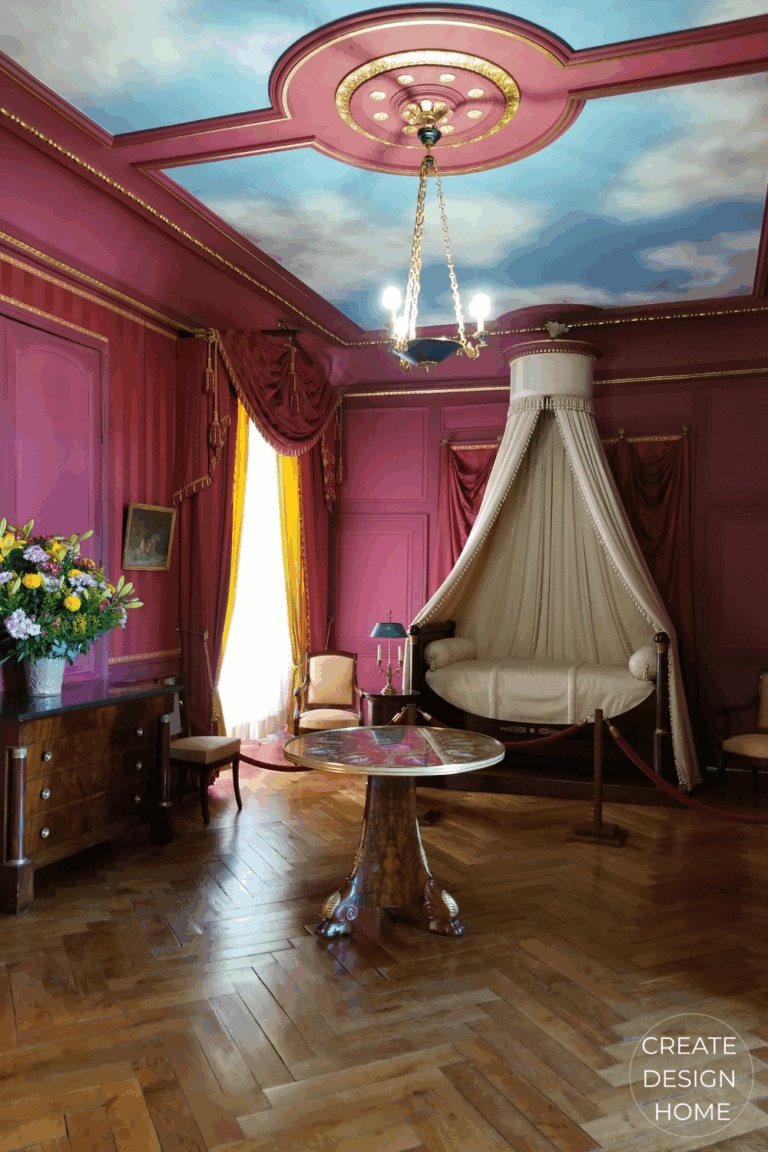
At Château de Chenonceau, a red bedchamber was prepared for King Louis XIV, known as the Sun King, when he visited in 1650. By this time, Chenonceau had fallen out of fashion, making him the last king of the Ancien Régime to stay at the château. The room’s saturated red walls, gilded details, and layered textiles reflect how colour was used to honour rank and presence, transforming a bedroom into a ceremonial space.
Red – an Empire Style Favorite
Red was a hallmark of the Empire style in the early nineteenth century, used in richly layered textiles and ceremonial spaces, including the apartments of Empress Joséphine at Château de Malmaison, where colour and classical form worked together to convey authority and elegance.
Similarly, at Château de Villandry, the red bedchamber of Prince Jérôme Bonaparte — Napoleon’s younger brother — was furnished in the Empire style in the early nineteenth century. Here, red in the interior design appears alongside classical forms, symmetrical proportions, and gilded ornamentation, reinforcing red’s long association with imperial authority and neoclassical grandeur.
Red in Interior Design
These historic interiors reveal a consistent truth: red was never casual. It was intentional, symbolic, and deeply expressive. Used in textiles, wall coverings, and architectural details, red created rooms that felt enveloping, dignified, and emotionally charged — qualities that continue to inspire how designers use the colour today.
Healing and Energetic Qualities of Red
In traditional colour therapy, red is considered stimulating and energizing. It is associated with circulation, vitality, and grounding energy. When used thoughtfully, red can feel warming, comforting, and emotionally supportive.
Balance is key — too much red can overwhelm, while the right amount feels powerful.
Red in Feng Shui
In feng shui, red is the color of fire and is regarded as one of the most powerful colors for creating an energetic, stimulating environment. It is linked to fame, reputation, and success, making it a popular choice for activating certain areas of a home or office.
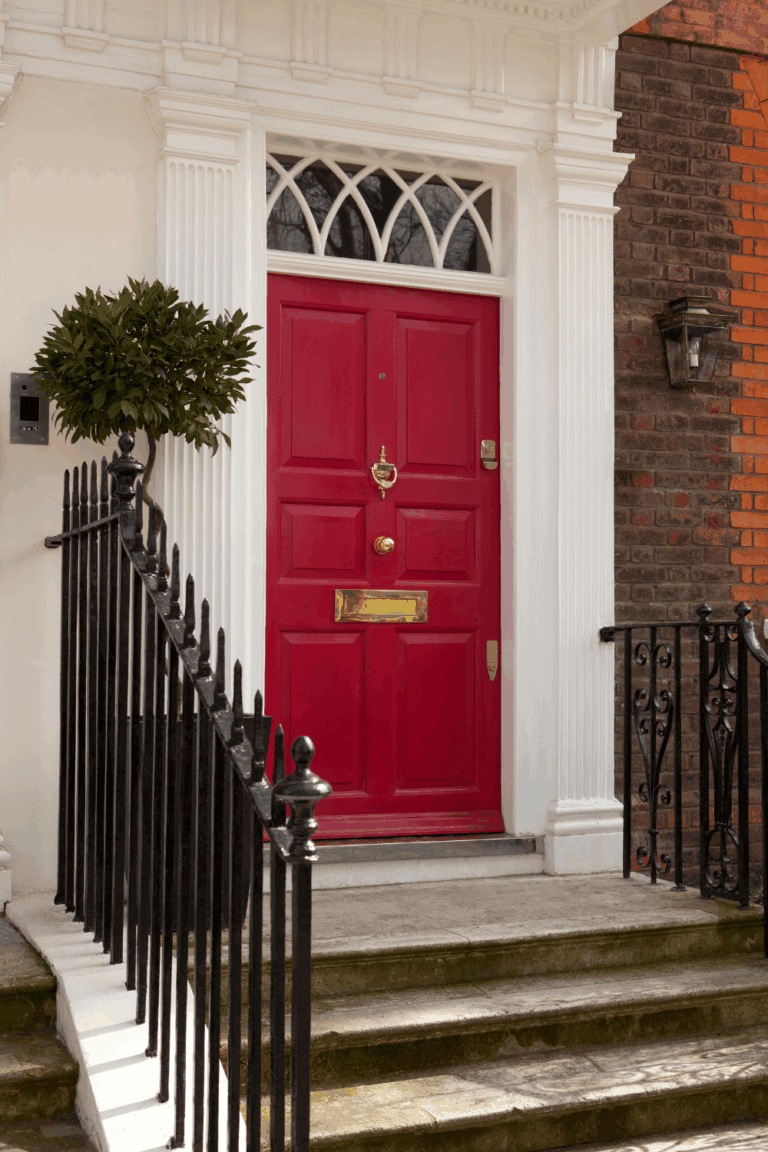
When used properly, red in interior design brings energy and excitement to a space, but feng shui principles recommend using it sparingly. For instance, incorporating red through small accents like cushions, candles, or artwork in the fame and reputation area of a home can invite success and recognition. In feng shui, the front door is considered a “mouth of chi,” and painting it red is believed to attract good fortune and opportunity.
However, balance is key. Excessive red can lead to restlessness, so it’s often paired with earth tones or cooler colors to create harmony in a space.
Using Red in Interiors: Warmth, Drama, and Intention
Across the legendary rooms and cultural traditions, one theme repeats:
- Red works best when it is intentional.
- A timid red feels accidental.
- A confident red feels curated.
Design Guidelines
- Use red when you want emotion, warmth, or drama
- Choose deeper reds (crimson, oxblood, lacquered tones) for sophistication
- Pair with natural materials, antiques, warm woods, and layered textures
- Consider red for dining rooms, libraries, powder rooms, and statement walls
Red isn’t just a colour.
It’s an experience.
Red in Interior Design: Warmth, Drama, and Passion
Equine Decor in Interior Design: A Timeless, Elegant Approach to Horse-Inspired SpacesIn interior design, red has been used throughout history to convey wealth, luxury, and boldness. In the Victorian era, deep reds adorned plush velvet curtains and ornate wallpapers, bringing richness and warmth to homes. Red was a color of indulgence, representing opulence and elegance in upper-class homes.
Today, red is used in more varied ways, often as an accent rather than a dominant color. It works well in living rooms, dining rooms, and kitchens, where its stimulating qualities can promote conversation, appetite, and energy. Red is also commonly used in artwork, textiles, and furniture to create focal points within a room. When paired with neutral tones like beige, grey, or white, red can elevate a space, giving it depth and personality.
In smaller doses, red can transform a space. A single red accent chair or a statement piece of art can draw the eye and create a sense of warmth and intimacy. It’s also frequently used in contemporary design to add a pop of color in minimalist settings, providing contrast and vibrancy without overwhelming the space.
If you’re enjoying this post and want to see other decorating ideas consider reading: Equine Decor in Interior Design: A Timeless, Elegant Approach to Horse-Inspired Spaces
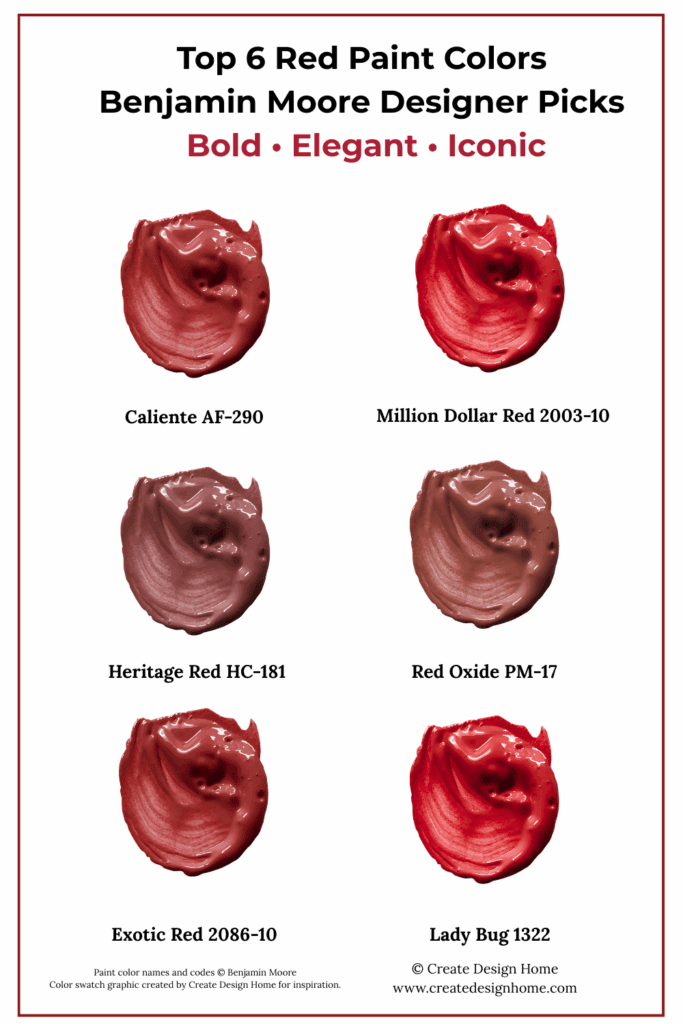
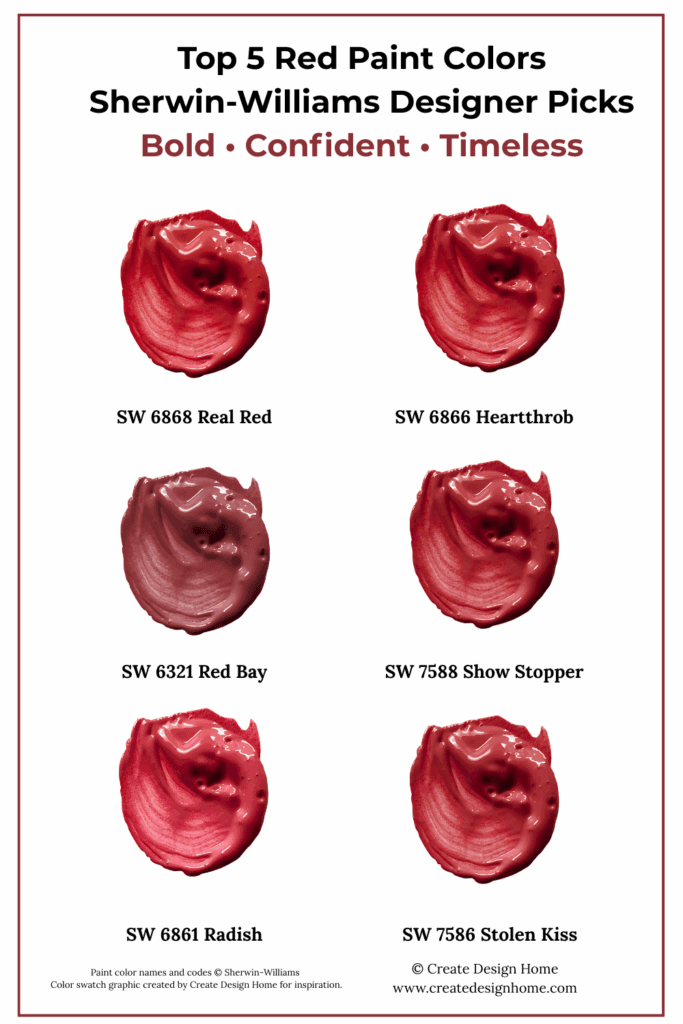
Top Red Paint Colors Designers Love
If you love the idea of red but want a designer-approved starting point, these are some of the most beautiful red paint colors from Benjamin Moore and Sherwin-Williams.
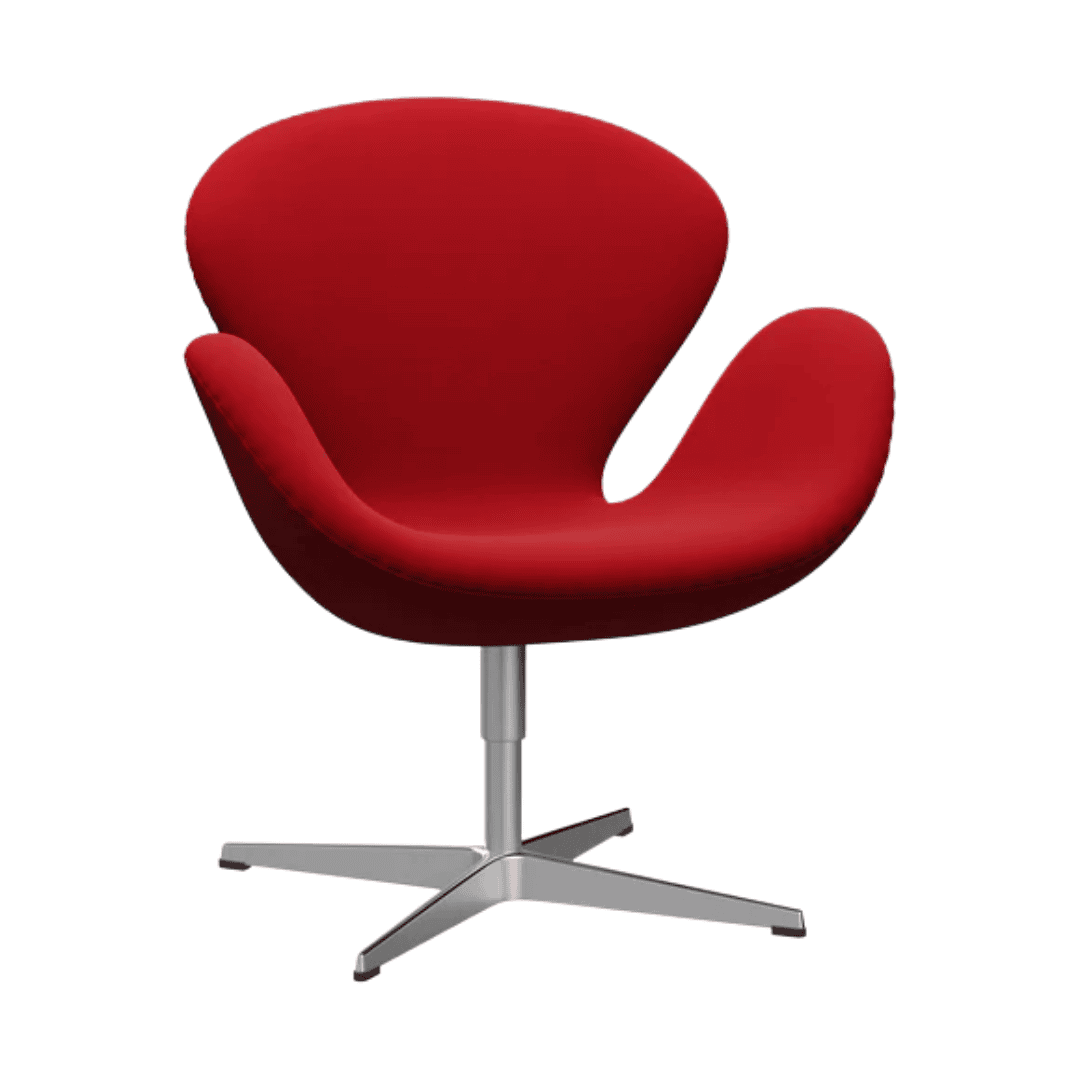
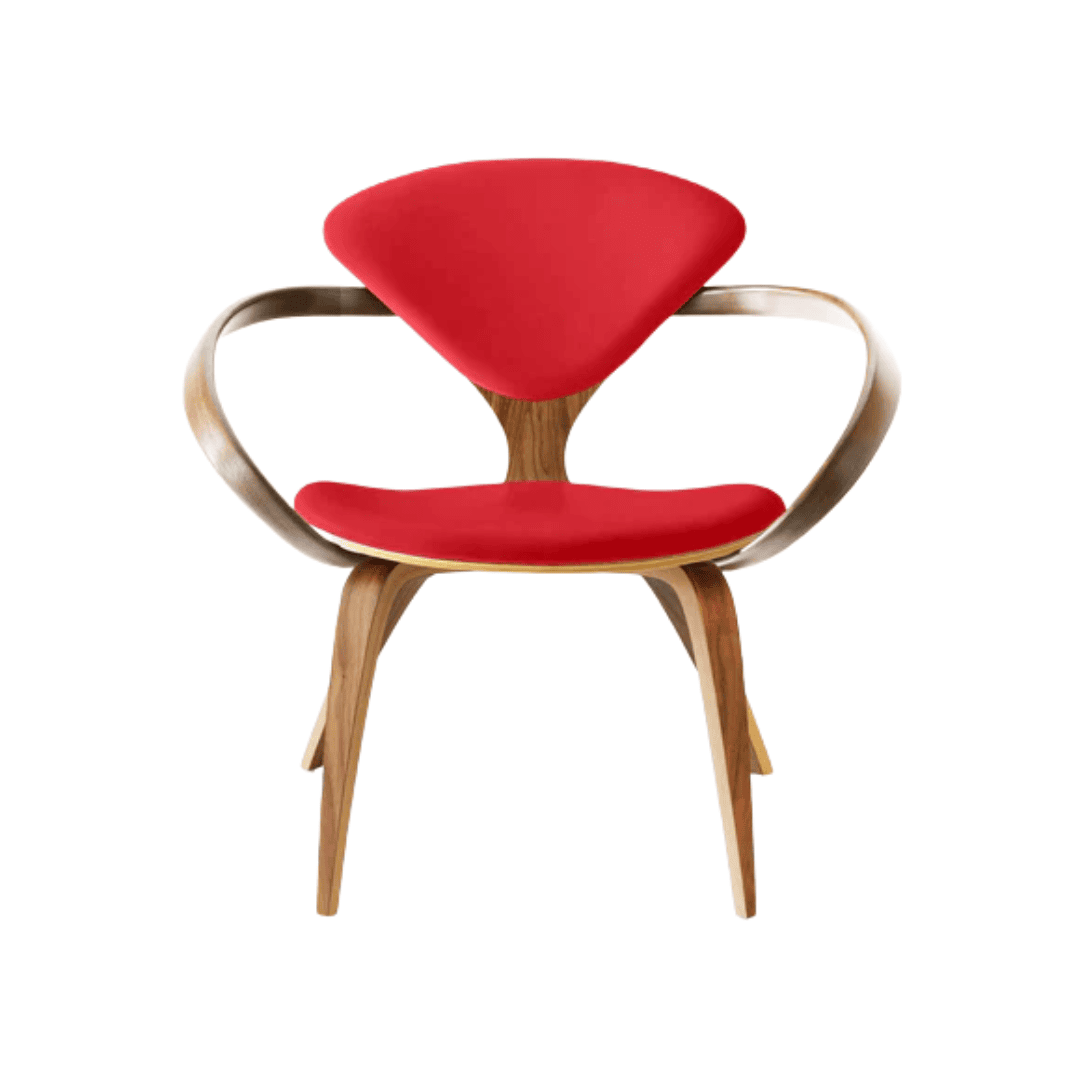
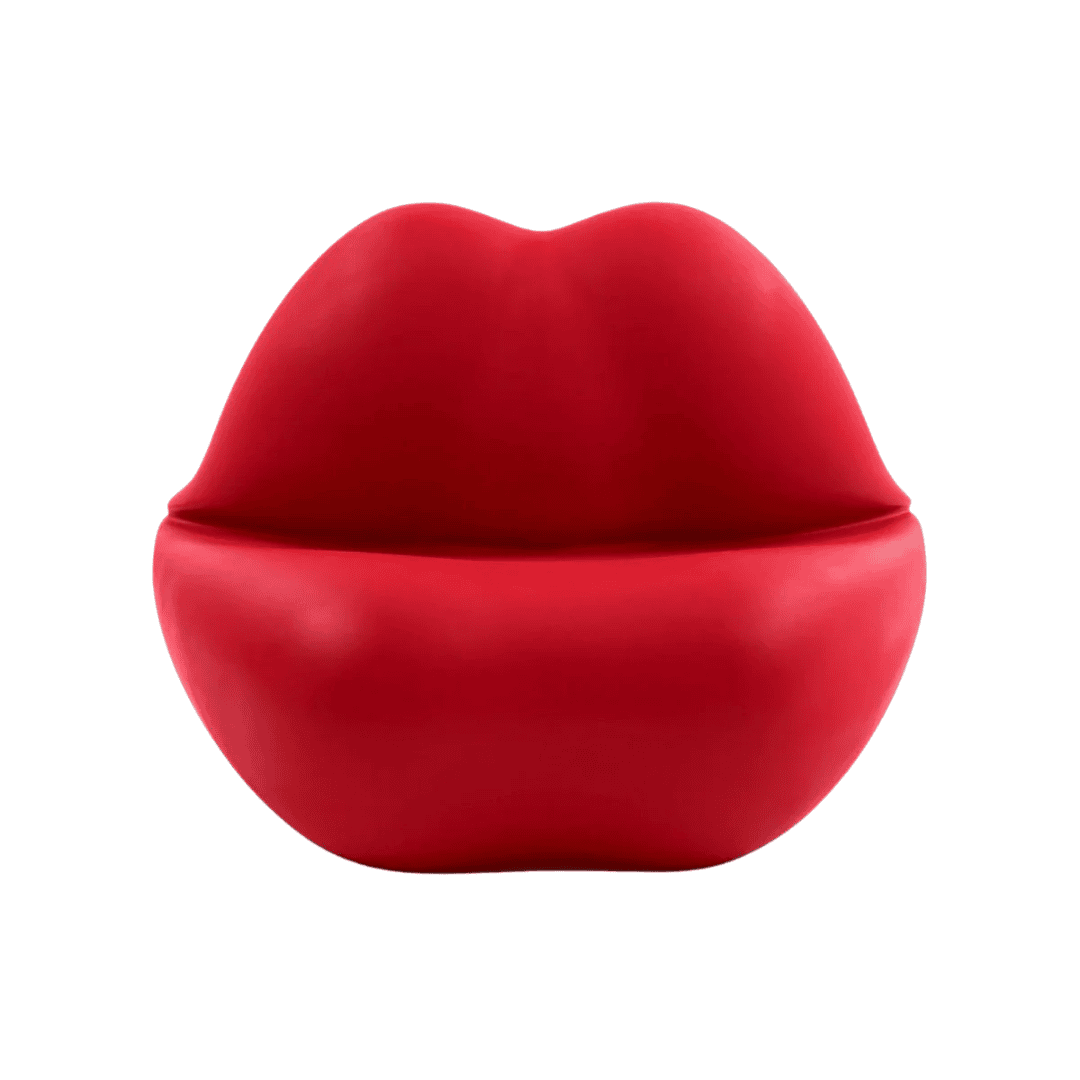
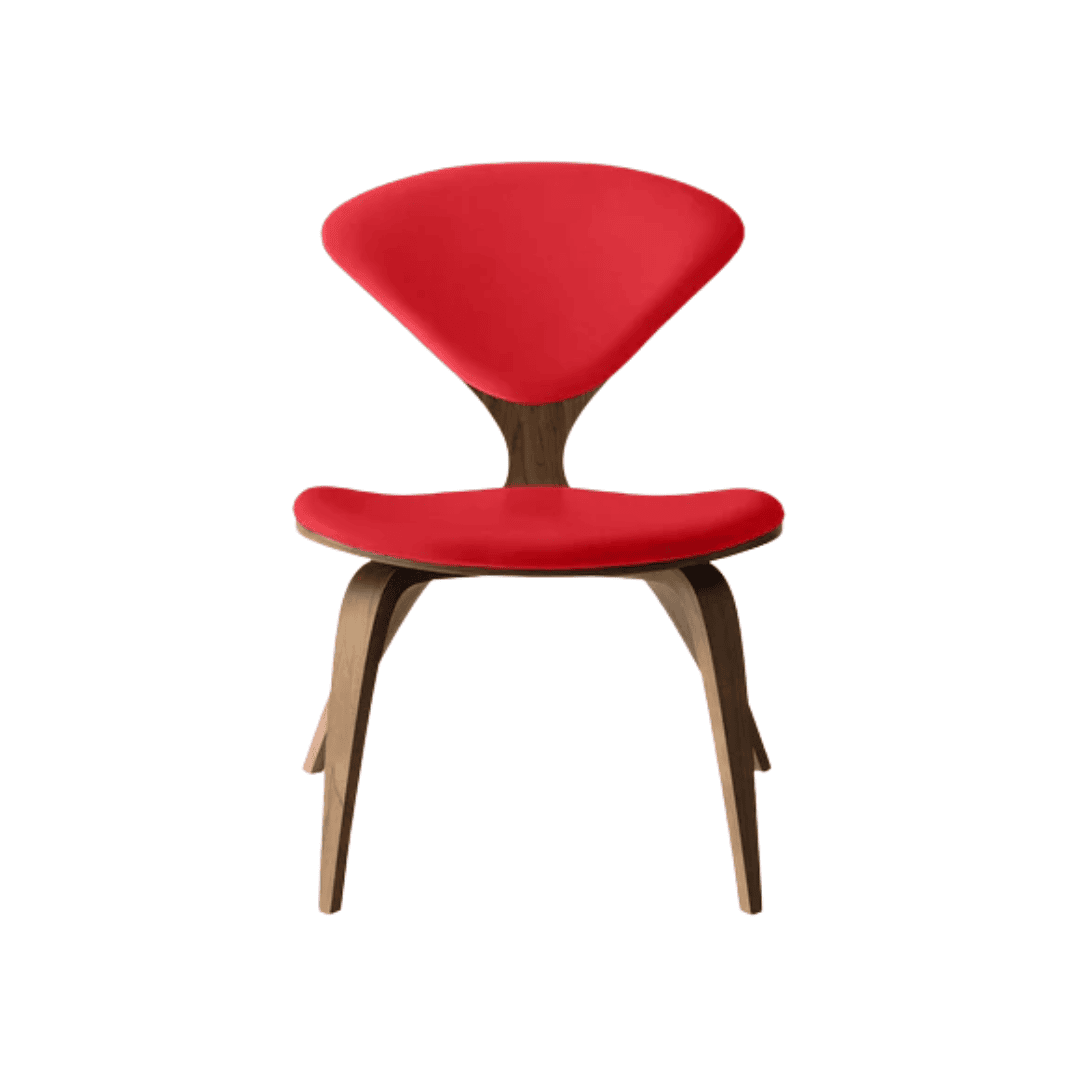
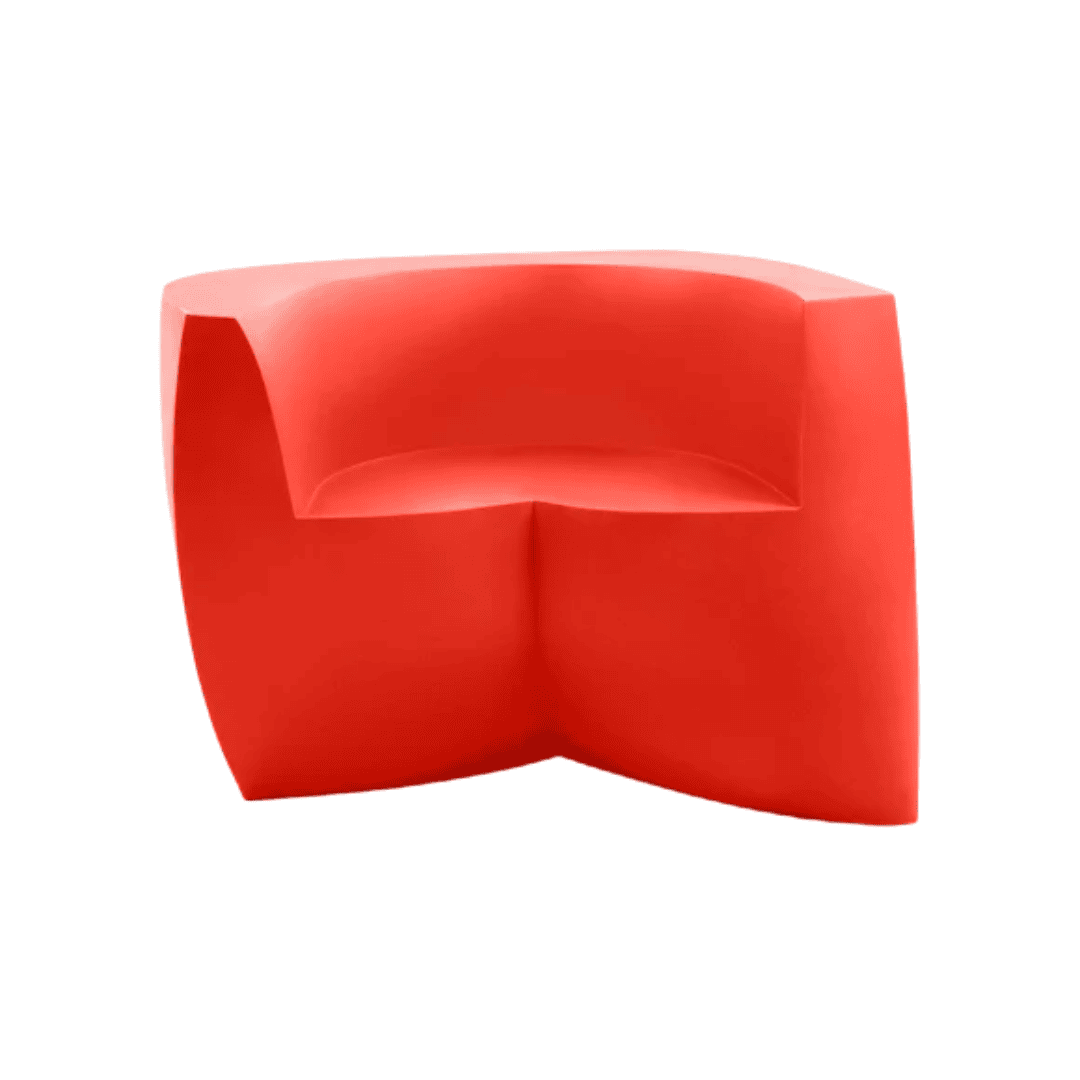
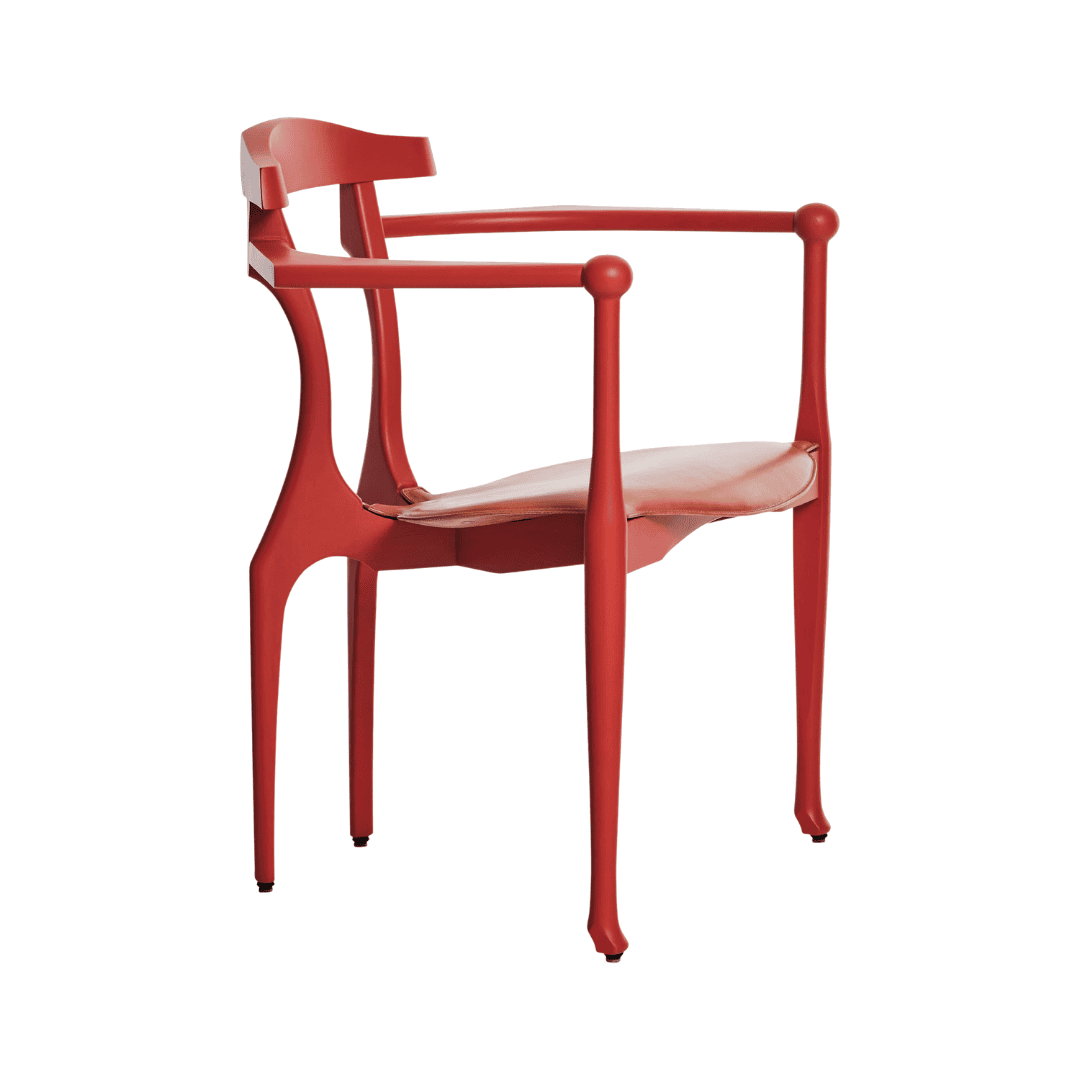
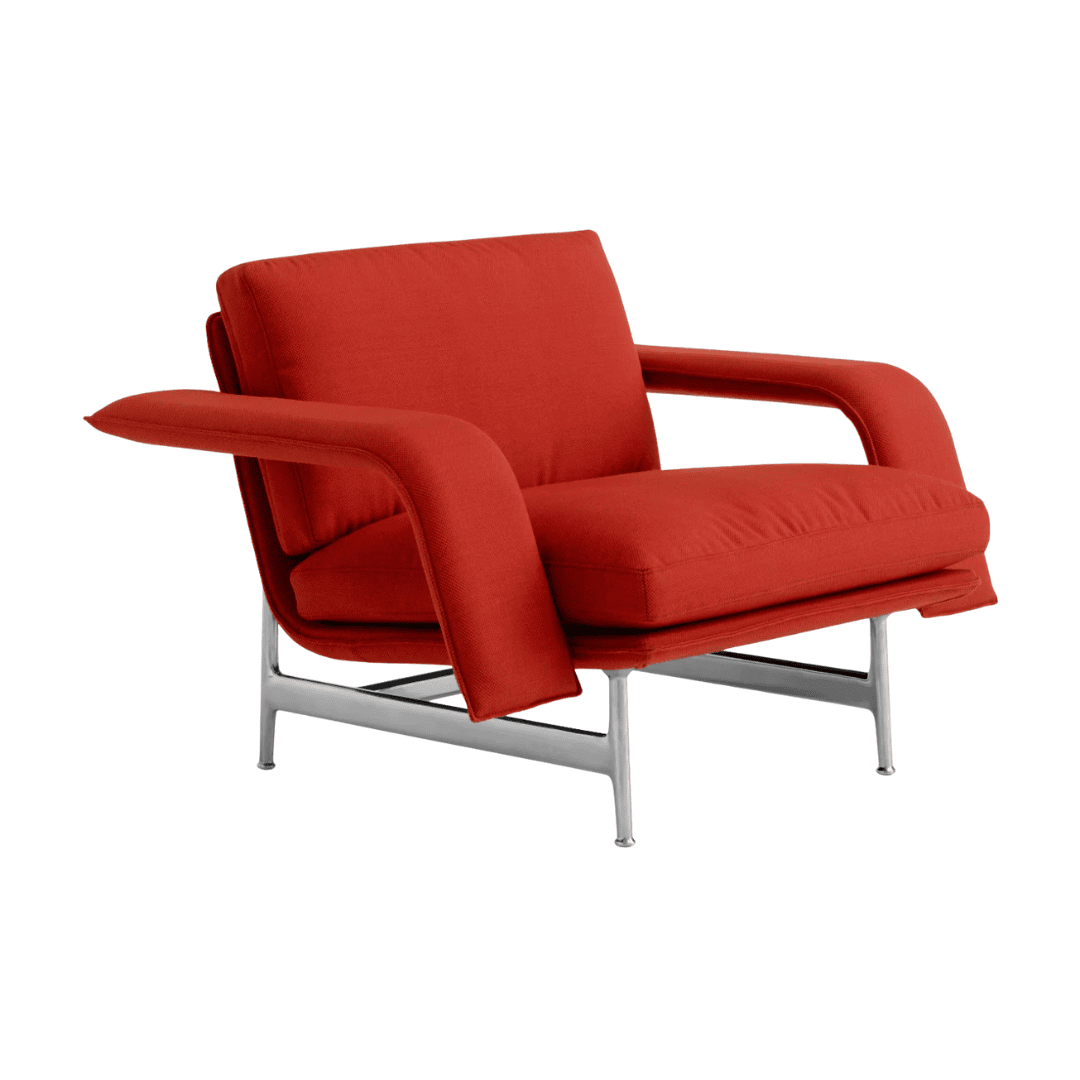
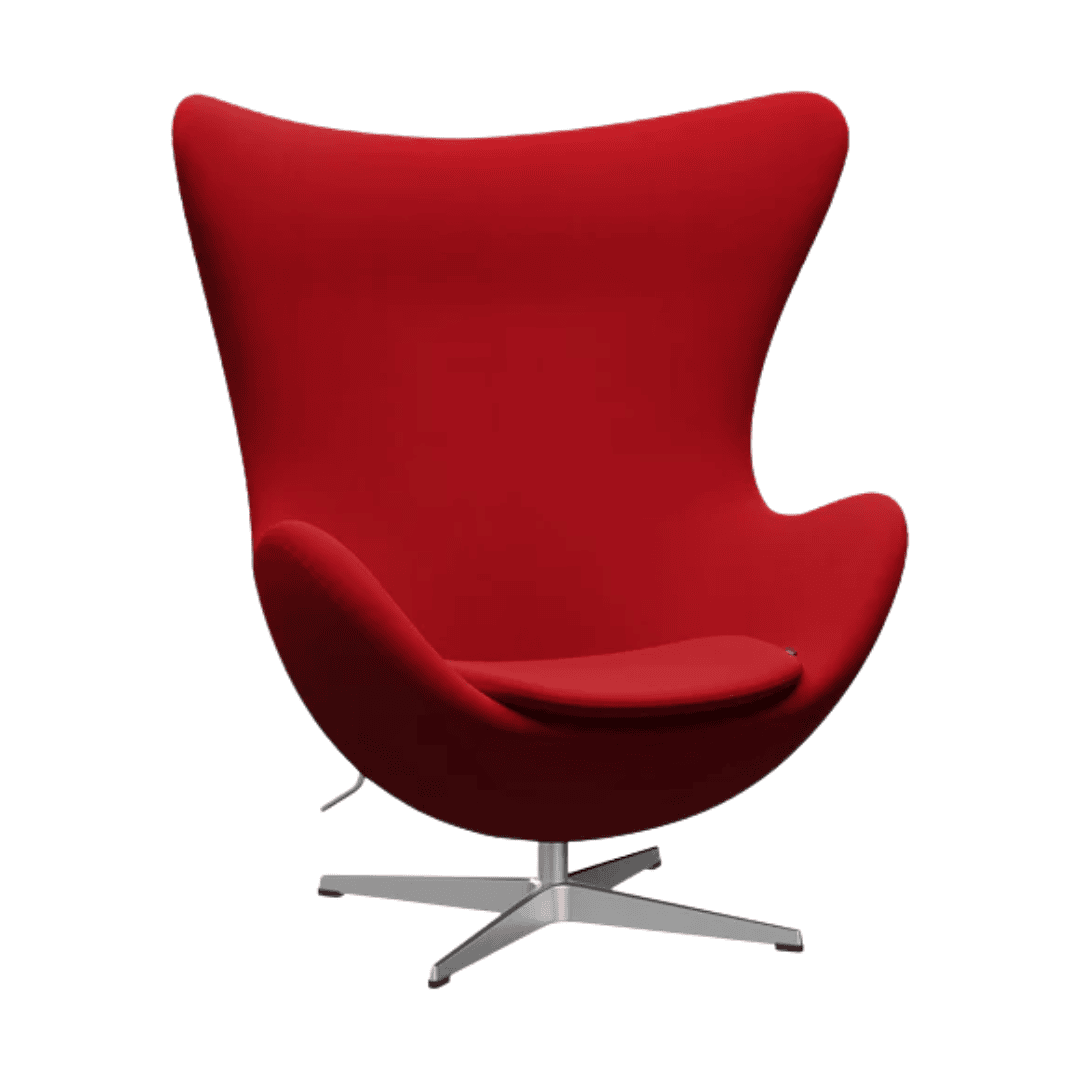
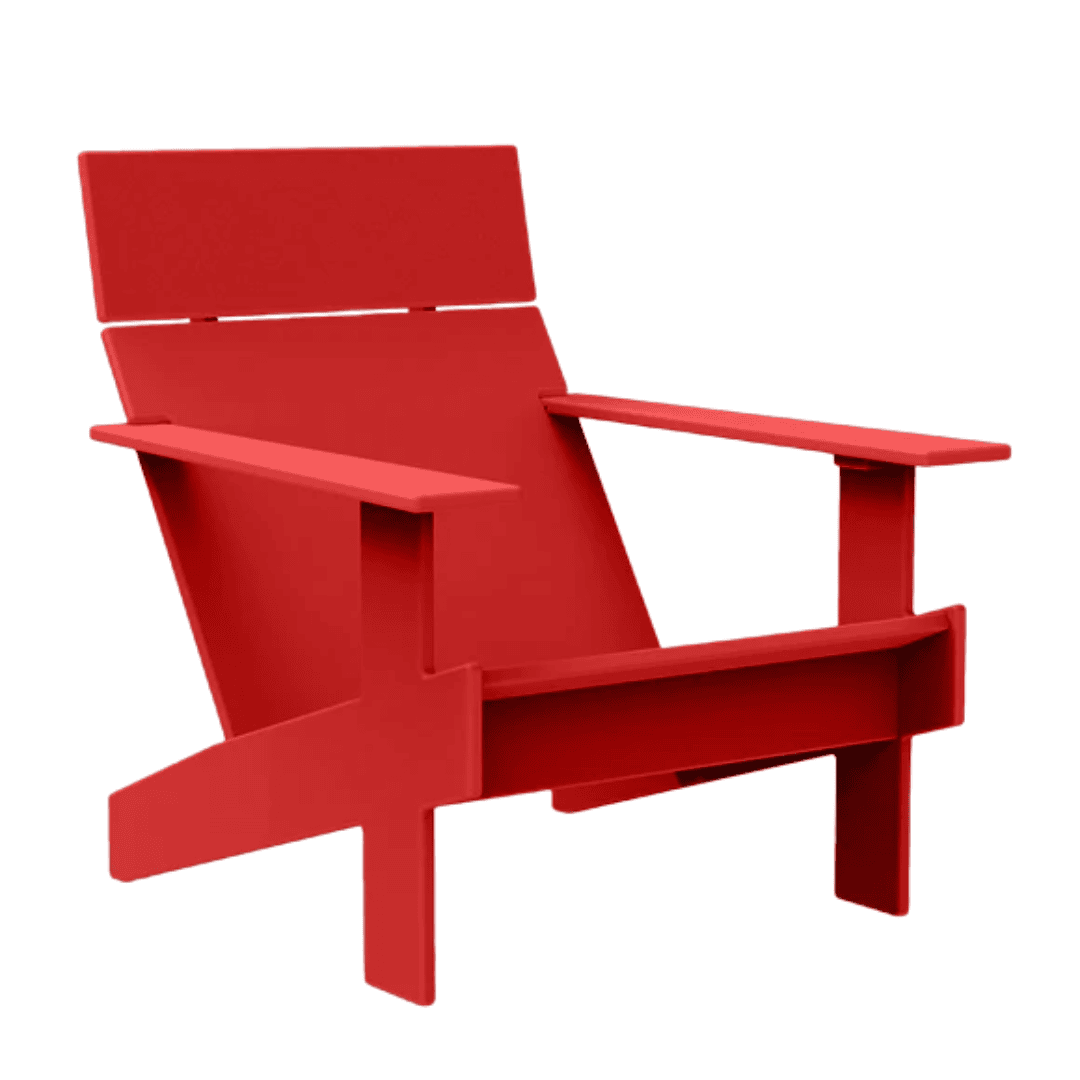
Red as Architecture: Iconic Seating in Crimson
Red has long been used to command attention — from the American Empire furnishings of the White House’s Red Room to the bold sculptural seating of modern design. In contemporary interiors, a single red chair can function as architecture, anchoring a neutral room with confidence and presence.
Conclusion: The Ever-Powerful Red
The color red has traveled through centuries of human history, leaving a mark wherever it has been used. Its duality—symbolizing love and danger, passion and caution—makes it a unique color that demands respect and careful application. From its roots in ancient civilizations to its modern-day use in fashion, interiors, and wellness, red continues to captivate, inspire, and evoke powerful emotions.
In design, it’s a color that must be used thoughtfully to avoid overstimulation but can create an atmosphere of warmth, confidence, and excitement when balanced correctly. Whether you’re choosing red for its cultural significance, its healing properties, or its striking visual impact, it remains one of the most potent and evocative colors in human history.
This post contains affiliate links, which means I may earn a small commission if you choose to make a purchase — at no additional cost to you. As an Amazon Associate, I earn from qualifying purchases. All product information is provided by the retailer, and pricing or availability may change at any time.
Paint colours shown are digital approximations and will appear differently depending on lighting, exposure, and screen settings. For best results, test physical paint samples in your home and observe them throughout the day before committing.