Timeless Transitional Entryway Design Ideas That Balance Warmth and Style
A transitional entryway strikes the perfect balance between classic elegance and contemporary simplicity. It’s a style that feels timeless yet current, welcoming without being overly formal. In a home’s first impression, transitional design offers warmth, structure, and visual ease — allowing materials, texture, and proportion to do the heavy lifting.
In this post, we explore five curated transitional entryway looks that layer natural finishes, refined silhouettes, and subtle contrast. From sculptural cabinetry to softly patterned rugs, mirrors, accessories, and paint colours, each element works together to create an entry that feels composed, inviting, and thoughtfully designed.
If you’re drawn to clean lines and a more contemporary feel, you may also enjoy my Contemporary Entryway Ideas, where simplicity, contrast, and sculptural forms take centre stage.
Warm Wood and Softly Layered Neutrals
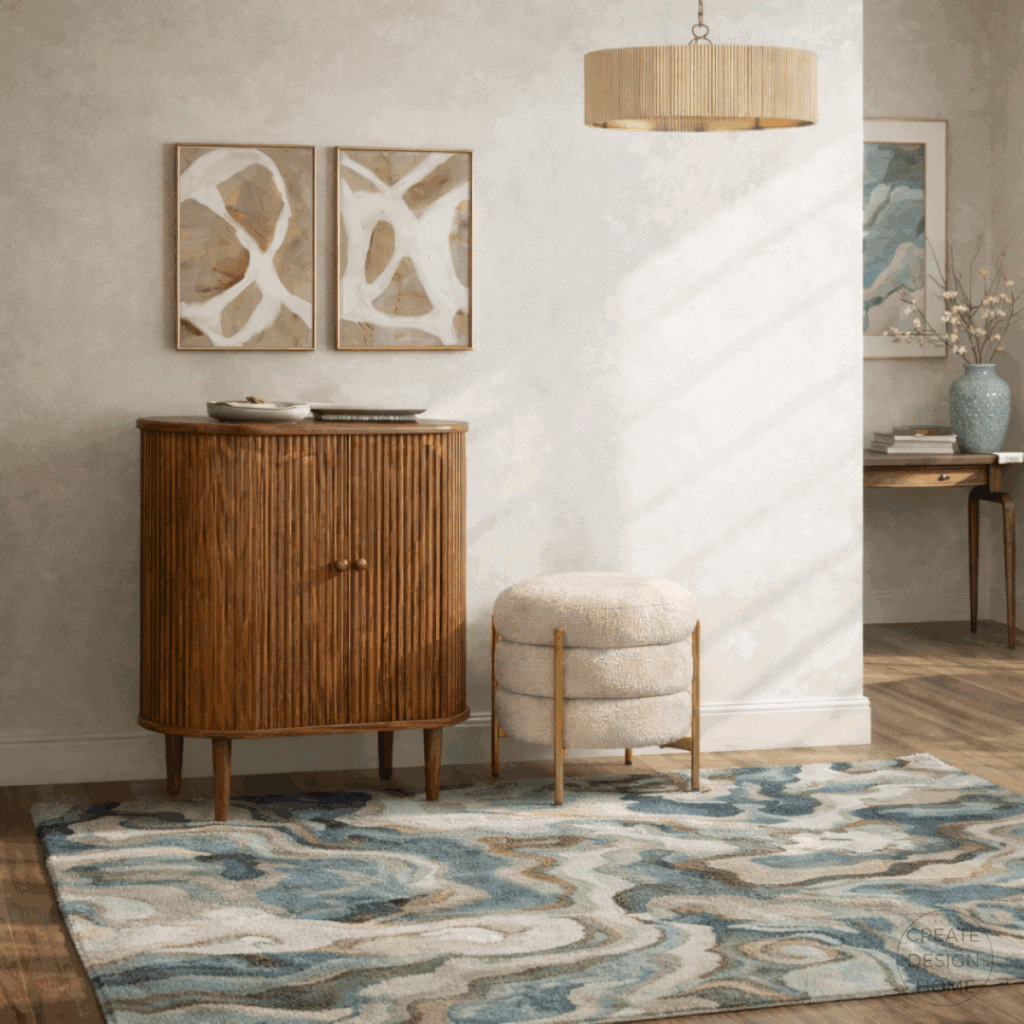
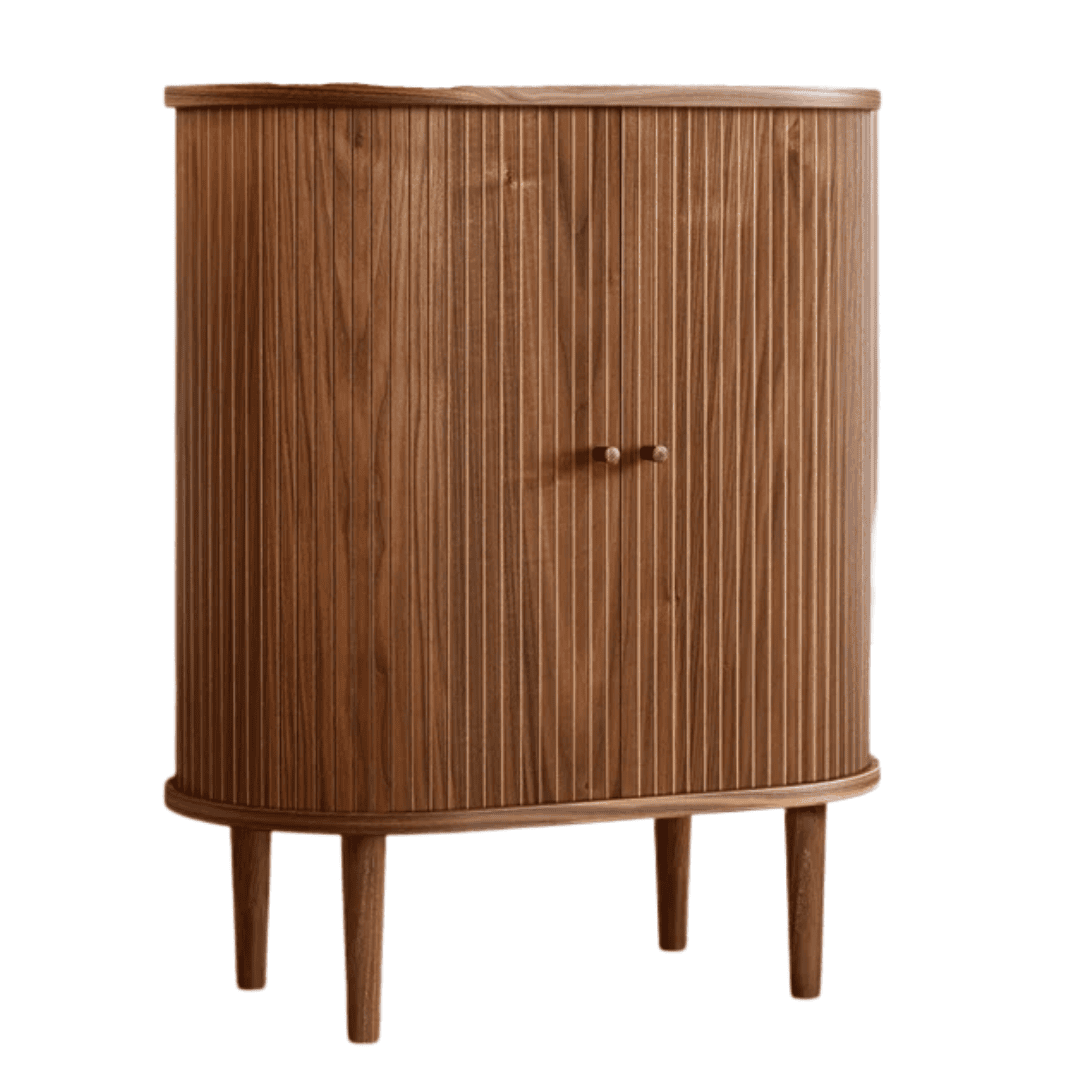
This transitional entryway design blends classic warmth with clean, contemporary lines. A curved wood storage cabinet introduces natural texture and craftsmanship, creating a grounded focal point that feels timeless rather than trendy.
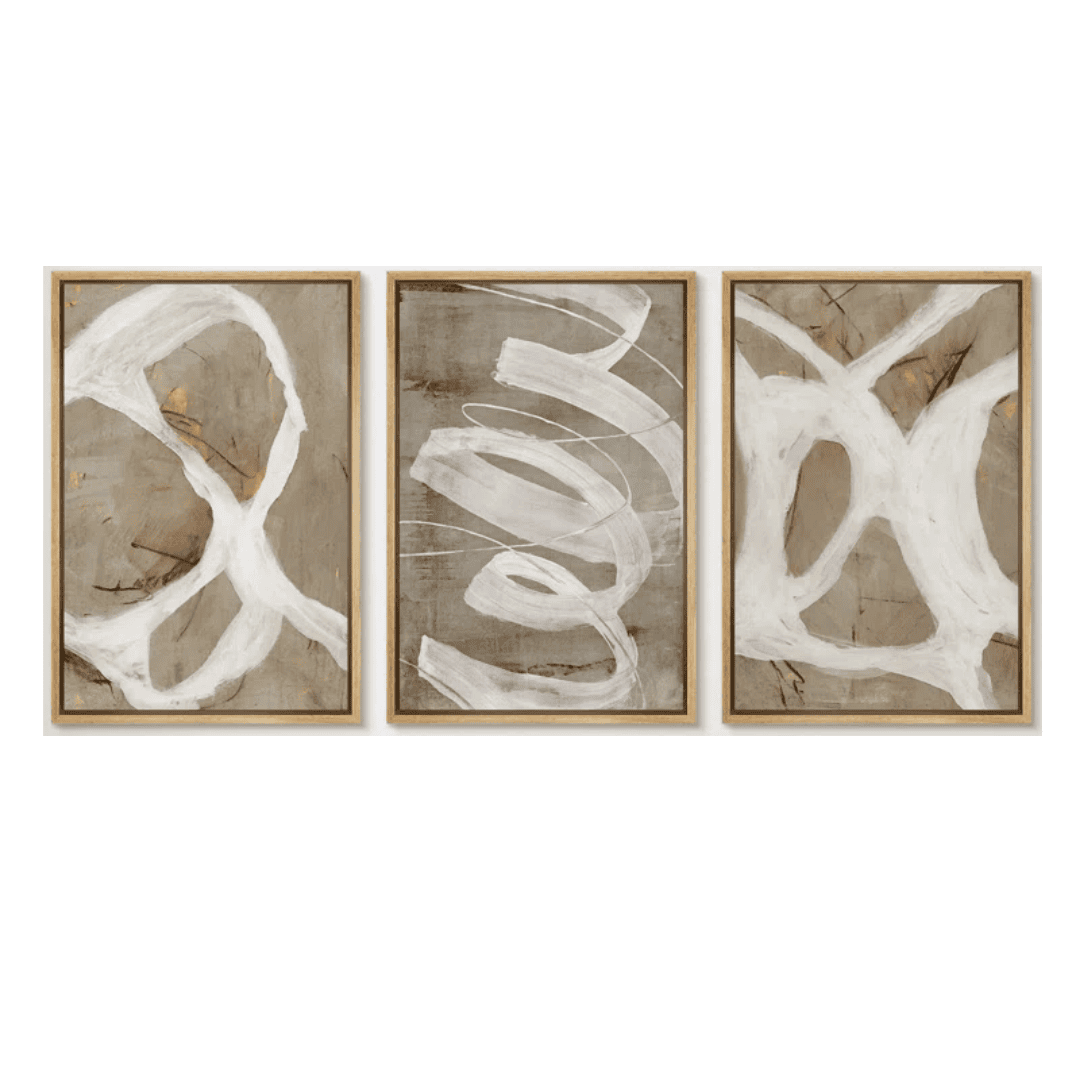
Soft, abstract artwork layered above the cabinet adds visual interest without overwhelming the space. The muted palette keeps the look calm and cohesive, while subtle variations in tone and material prevent it from feeling flat or overly formal.
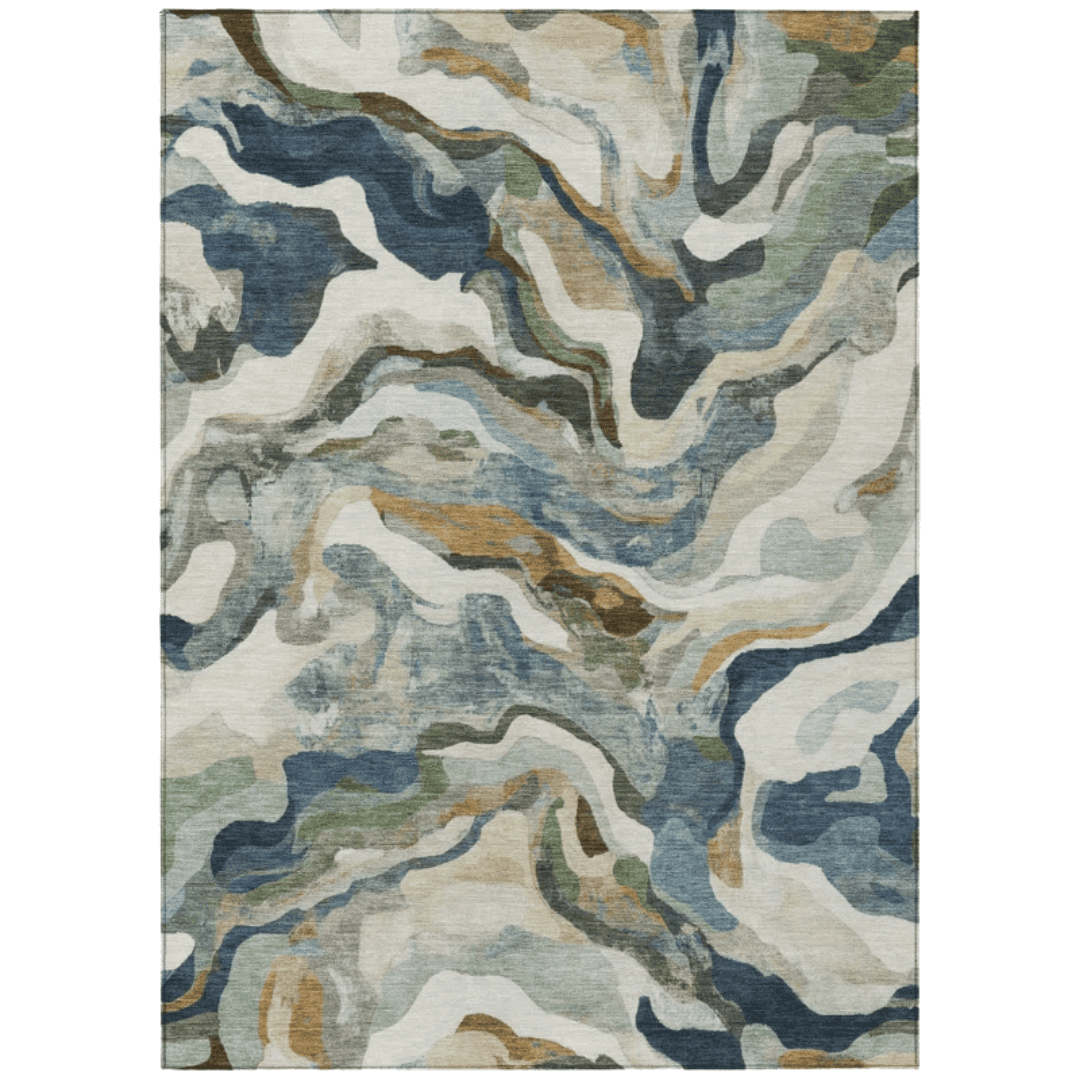
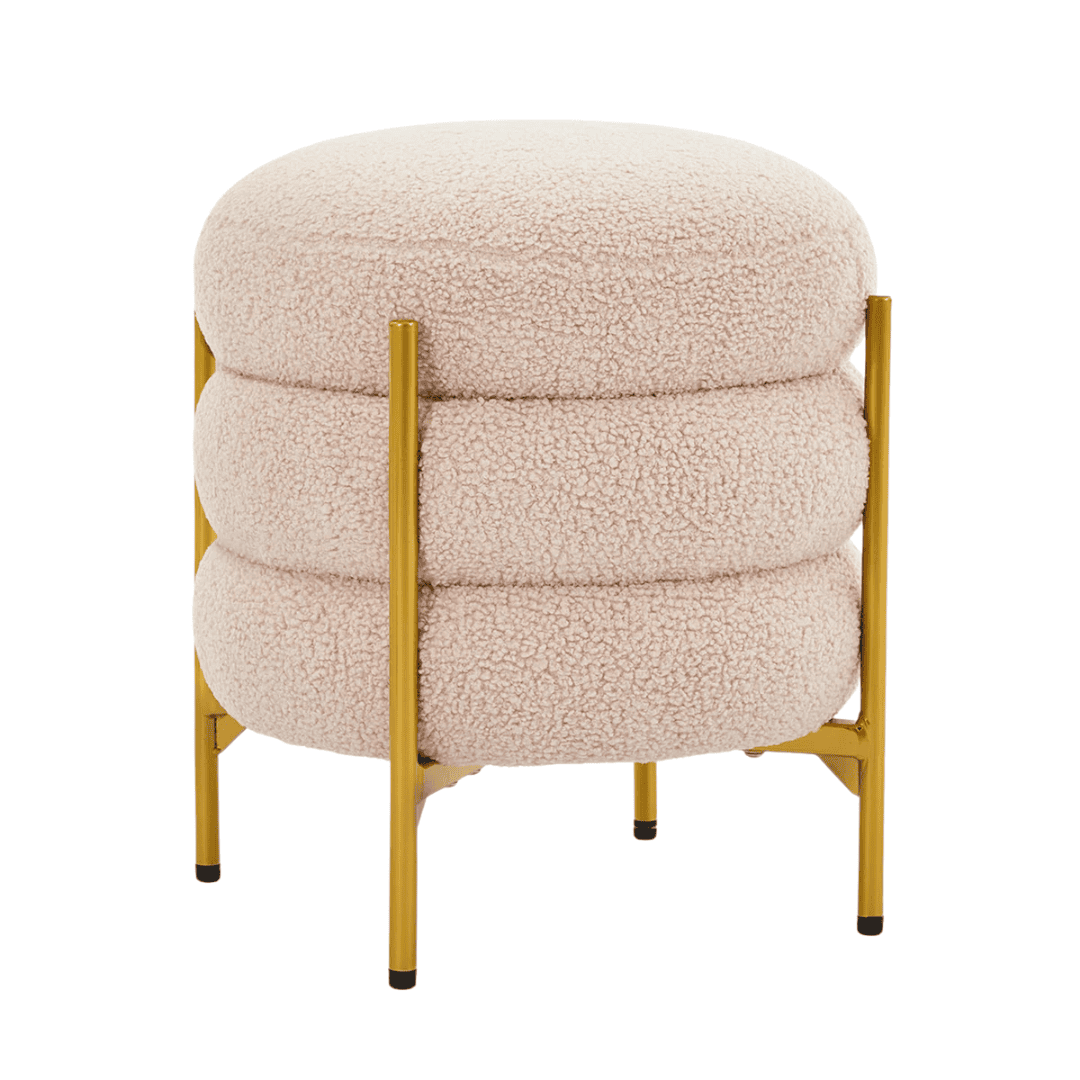
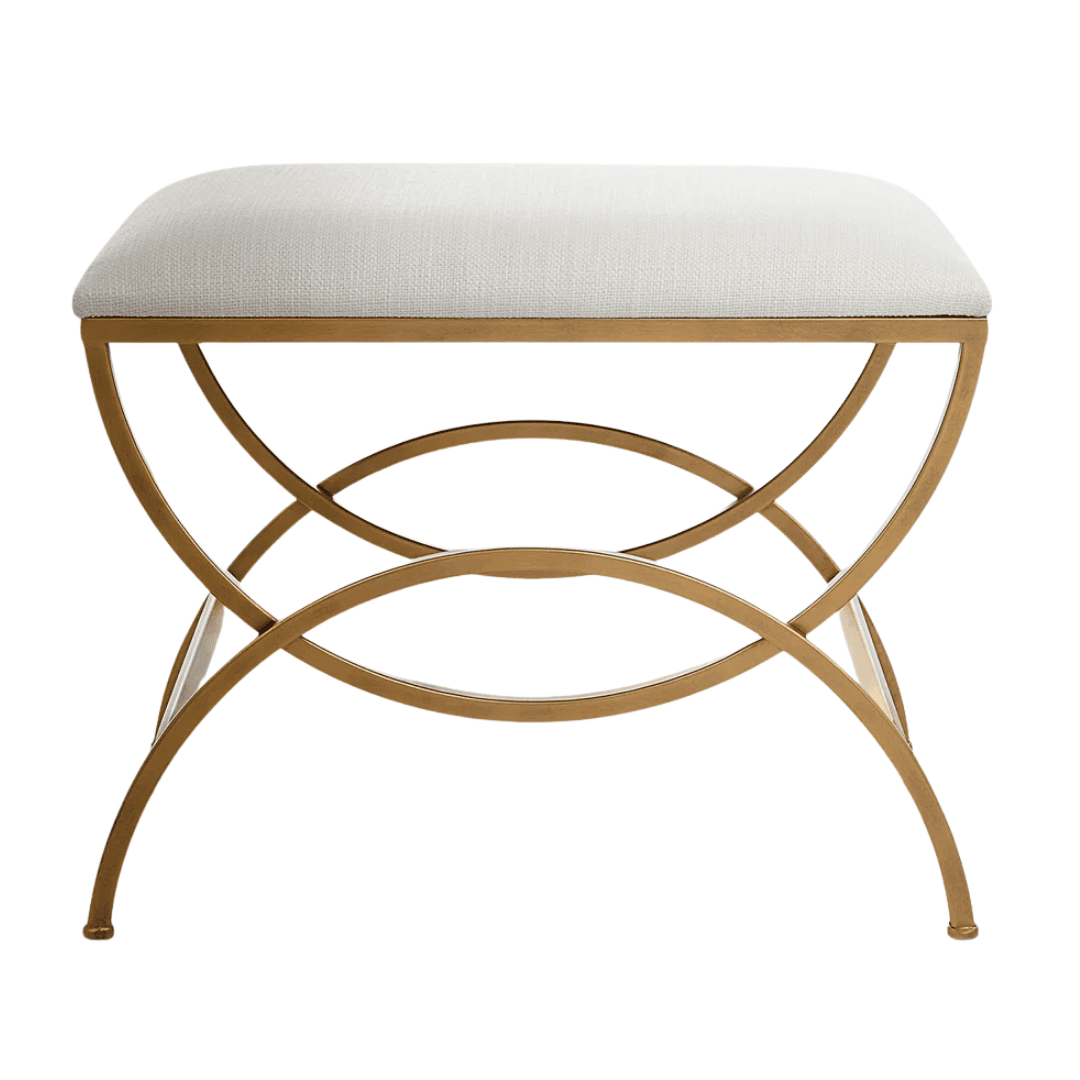
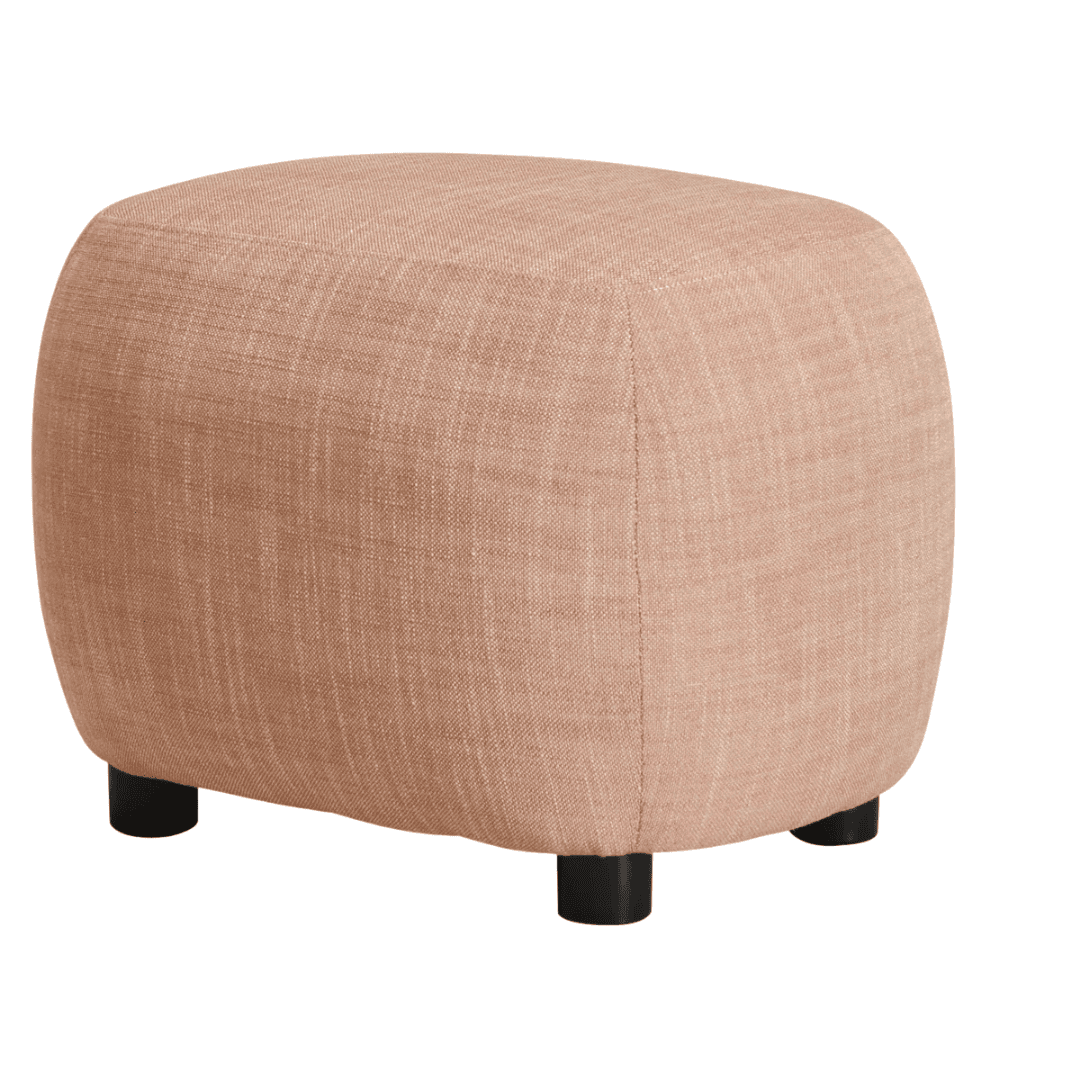
A textured rug and upholstered ottoman soften the entryway and add comfort underfoot. Together, these elements create a welcoming front hall that feels refined yet approachable—ideal for a home that balances traditional details with modern living.
Building on warmth and gentle curves, the next transitional entryway introduces more contrast through structure and pattern.
Artisan Wood and Subtle Pattern
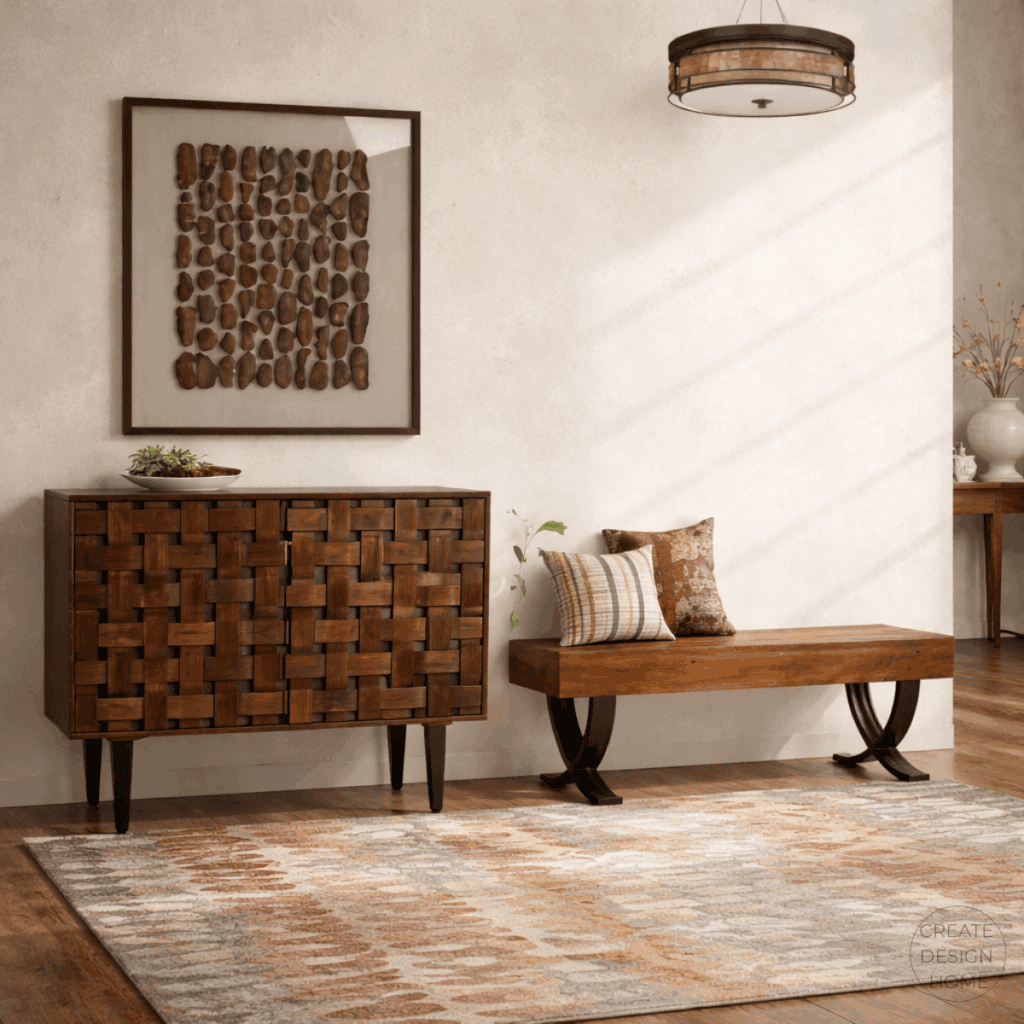
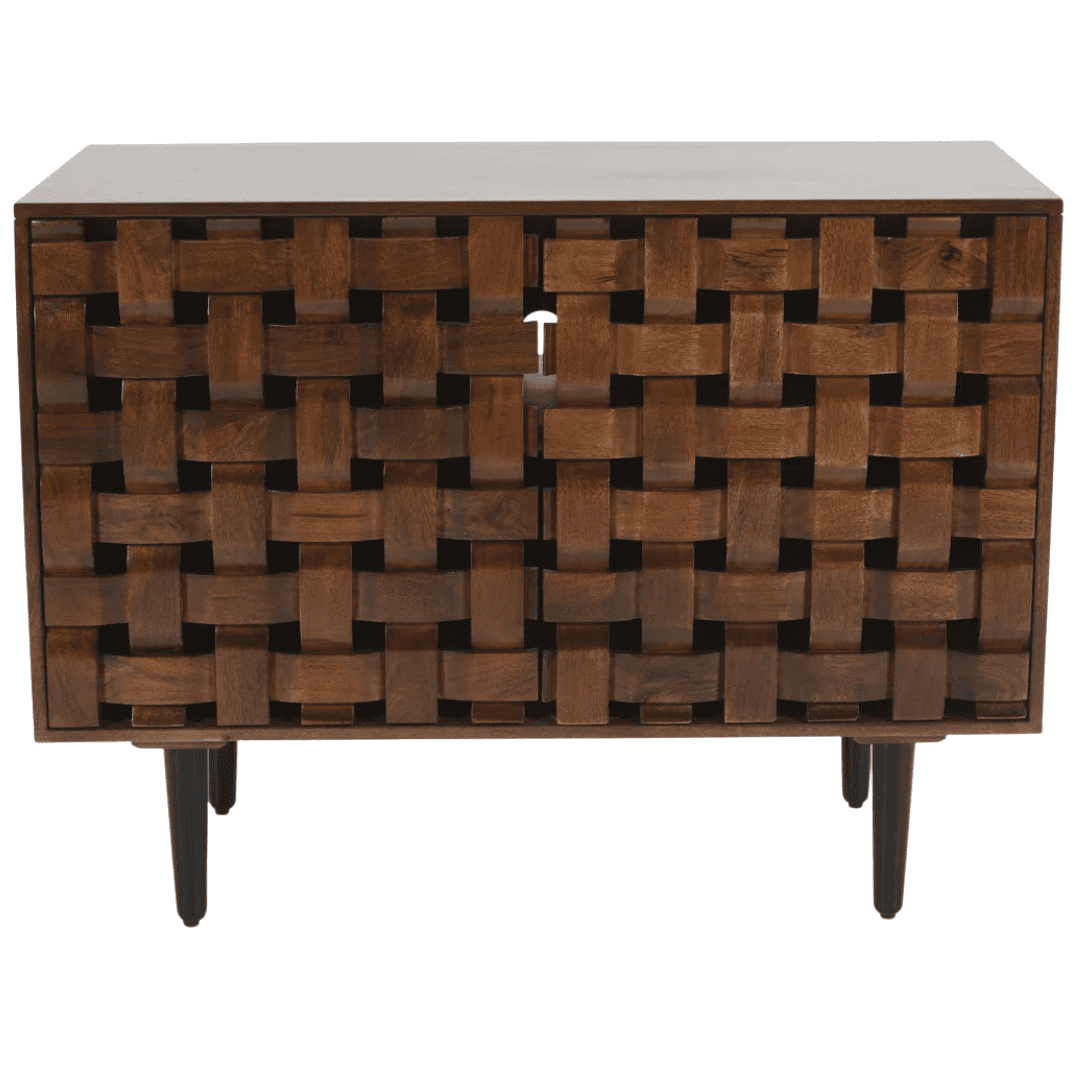
This transitional entryway balances craftsmanship and restraint, allowing material and texture to take the lead. The woven wood cabinet introduces visual depth and artisanal character, acting as a quiet focal point without overpowering the space.
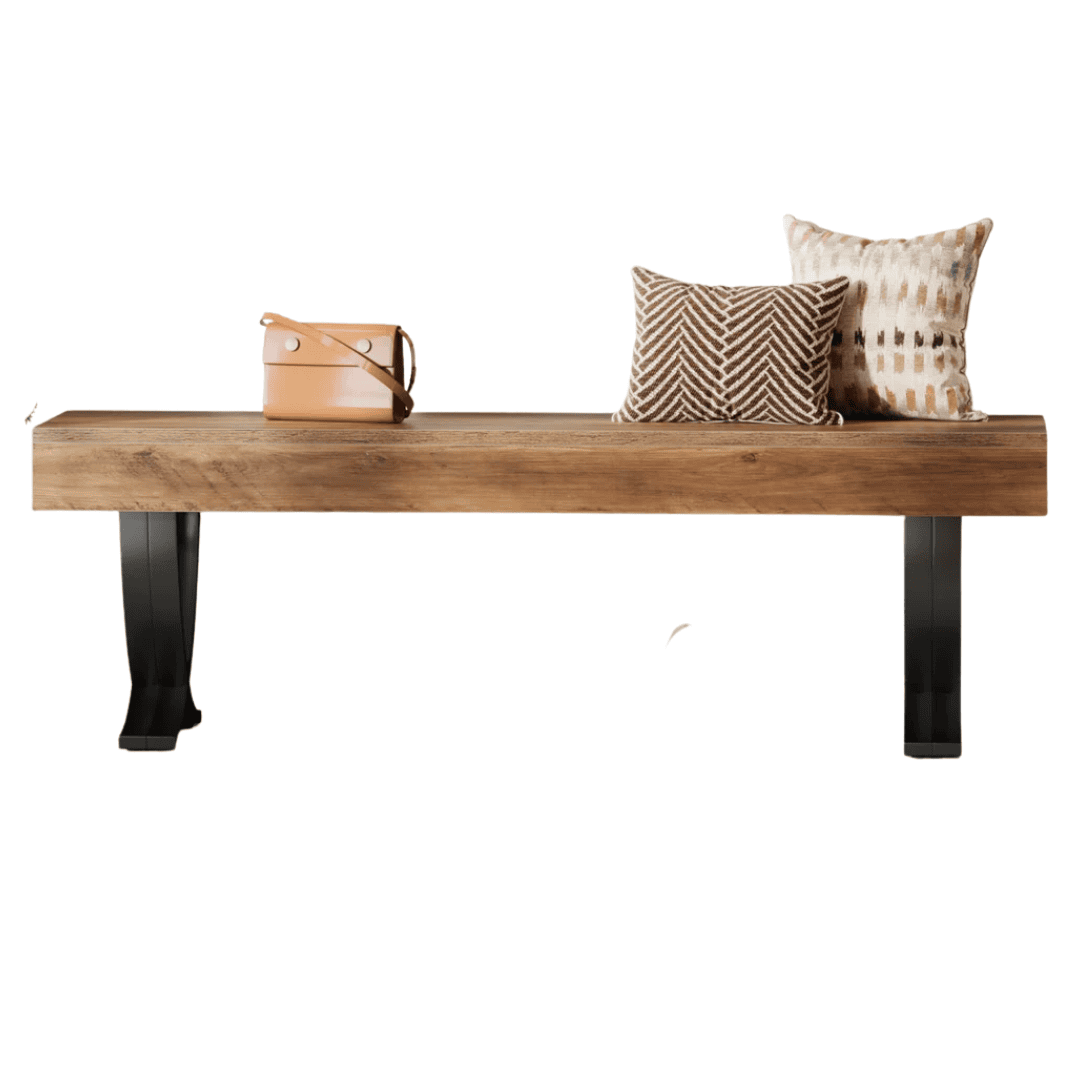
Clean-lined bench seating keeps the look grounded and functional, offering a practical spot for daily use while maintaining a streamlined profile. Soft cushions and natural wood tones add warmth and comfort, reinforcing the approachable nature of transitional design.
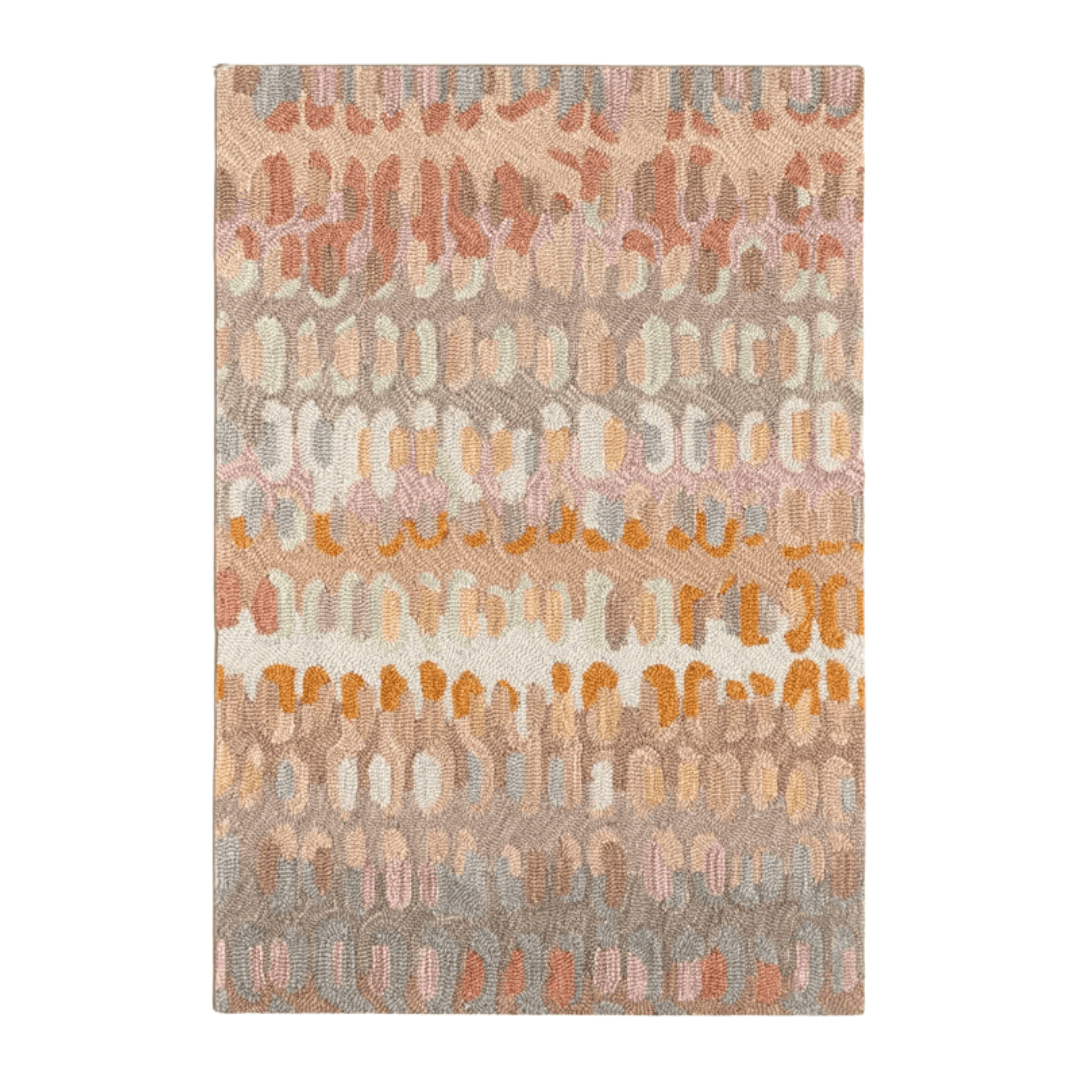
A gently patterned rug and understated wall art bring subtle movement and softness to the composition. The palette remains warm and cohesive, creating an entryway that feels welcoming, layered, and thoughtfully curated rather than styled to perfection.
While this look leans into craftsmanship and texture, the next entryway shifts toward a slightly more refined silhouette, pairing warm neutrals with elegant contrast.
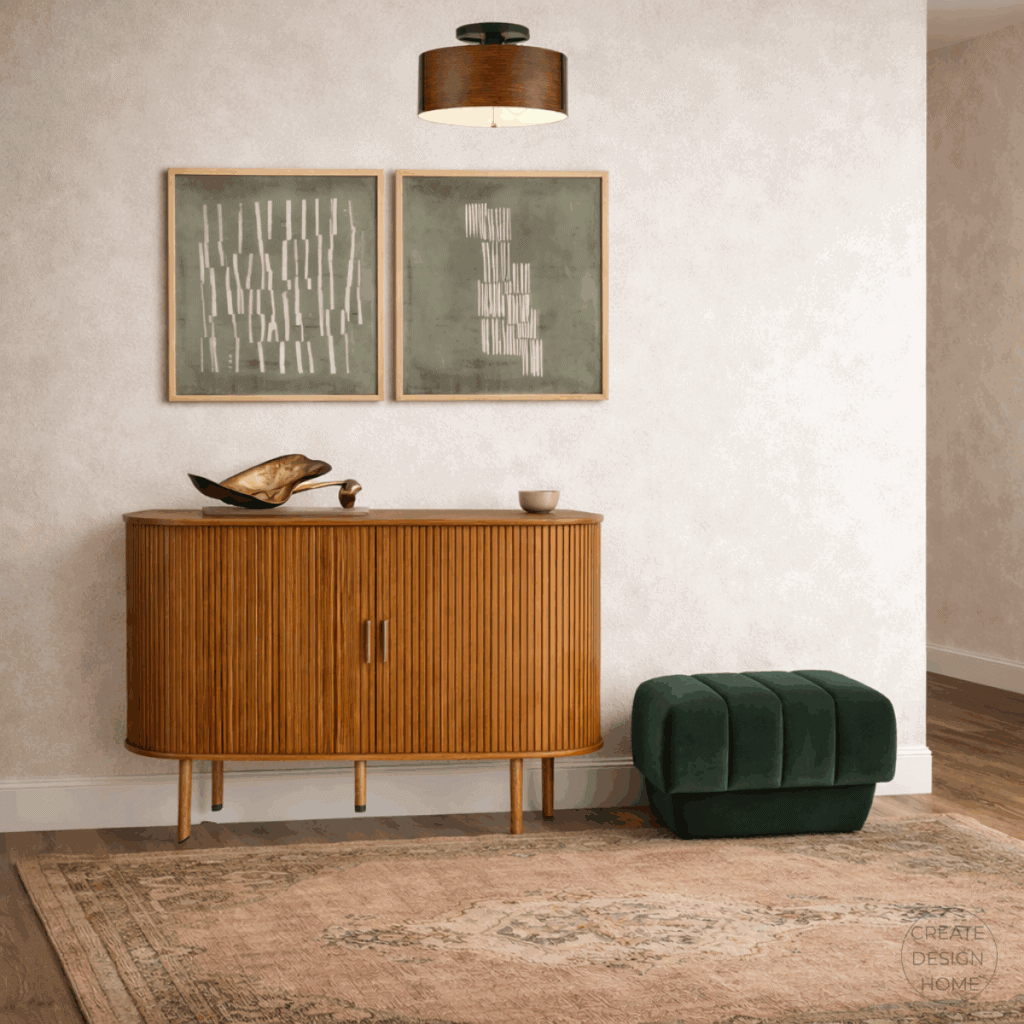
Warm Wood with Muted Green Accents
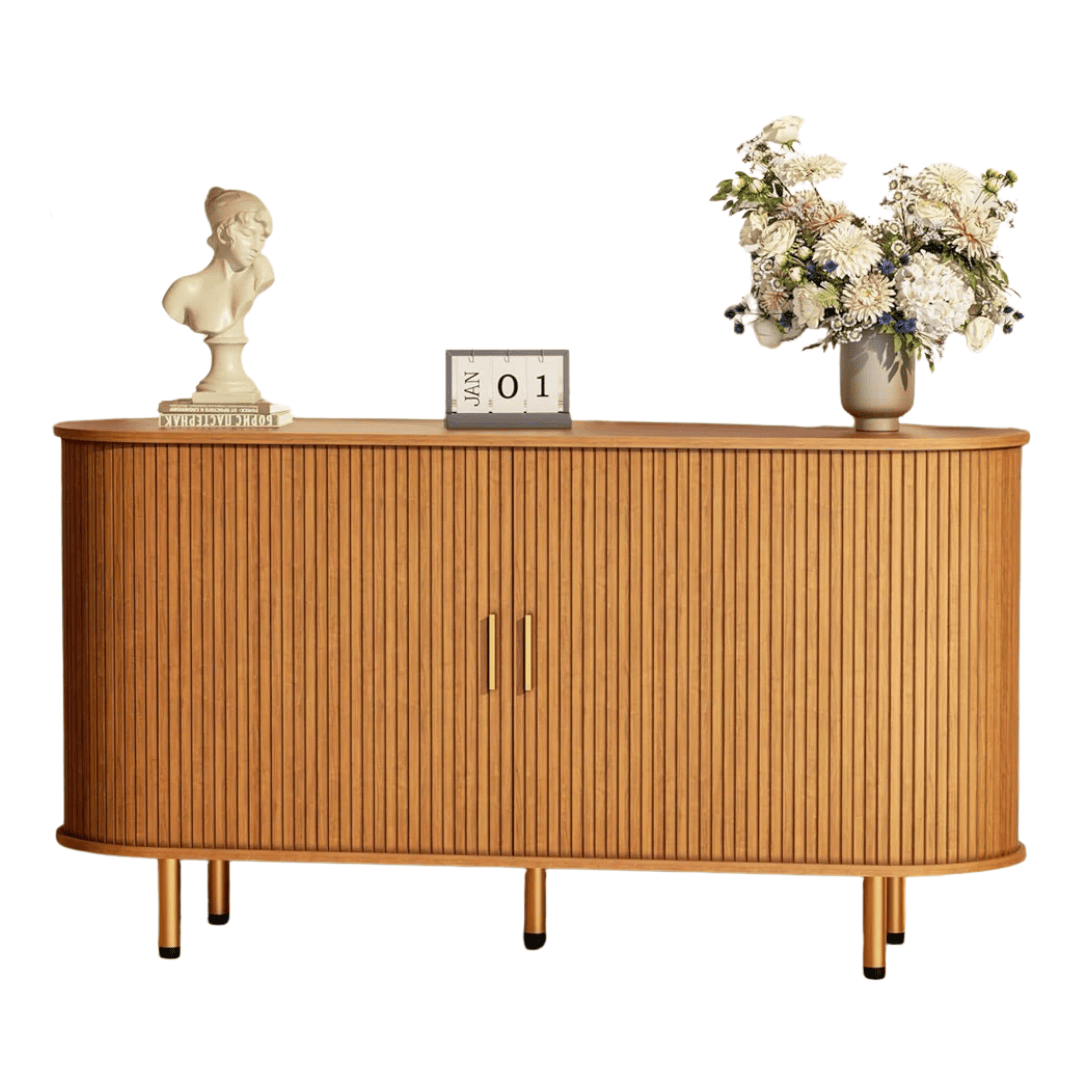
This transitional entryway builds on warm wood tones while introducing muted colour for added depth. The fluted wood cabinet offers texture and visual rhythm, anchoring the space with a classic silhouette that feels both current and timeless.
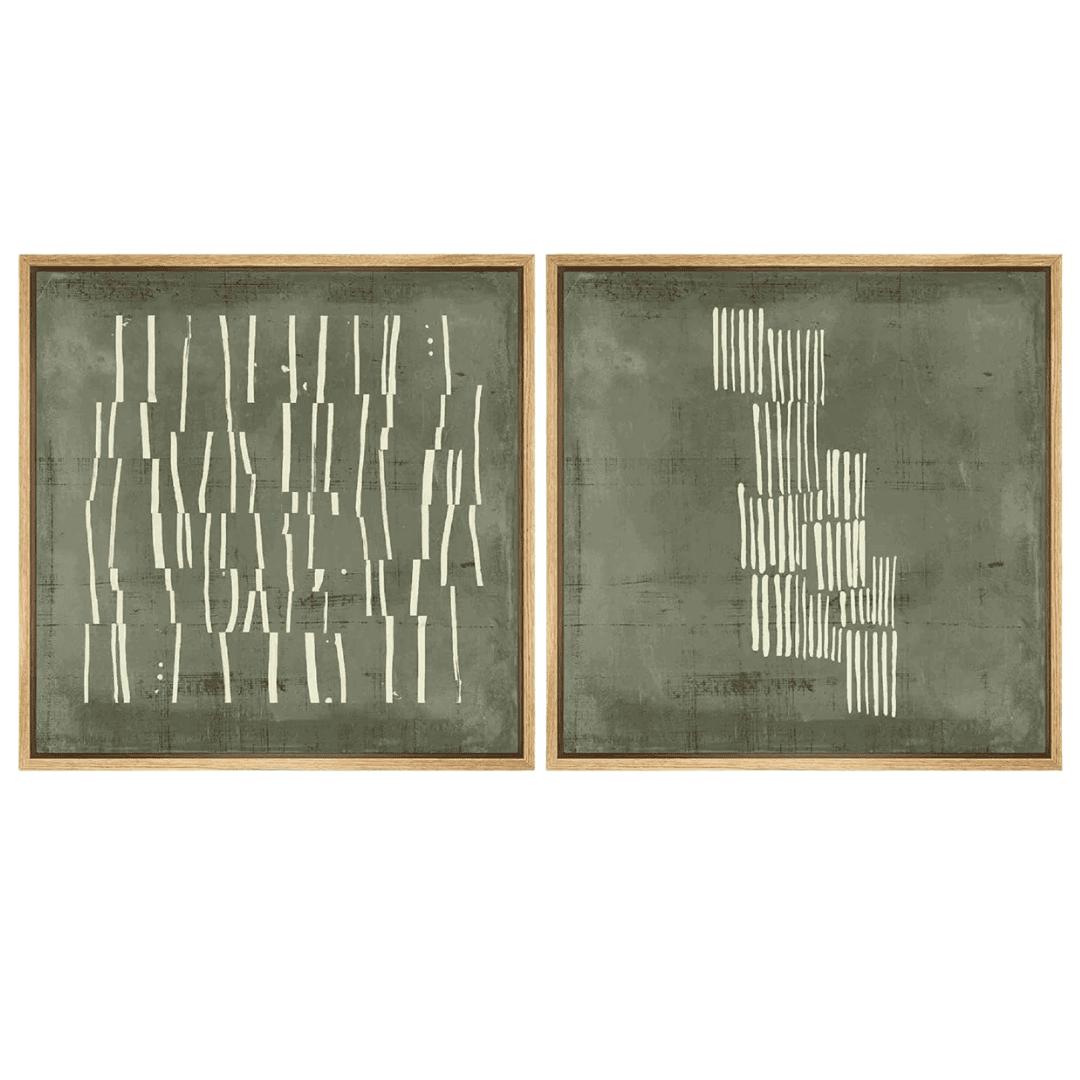
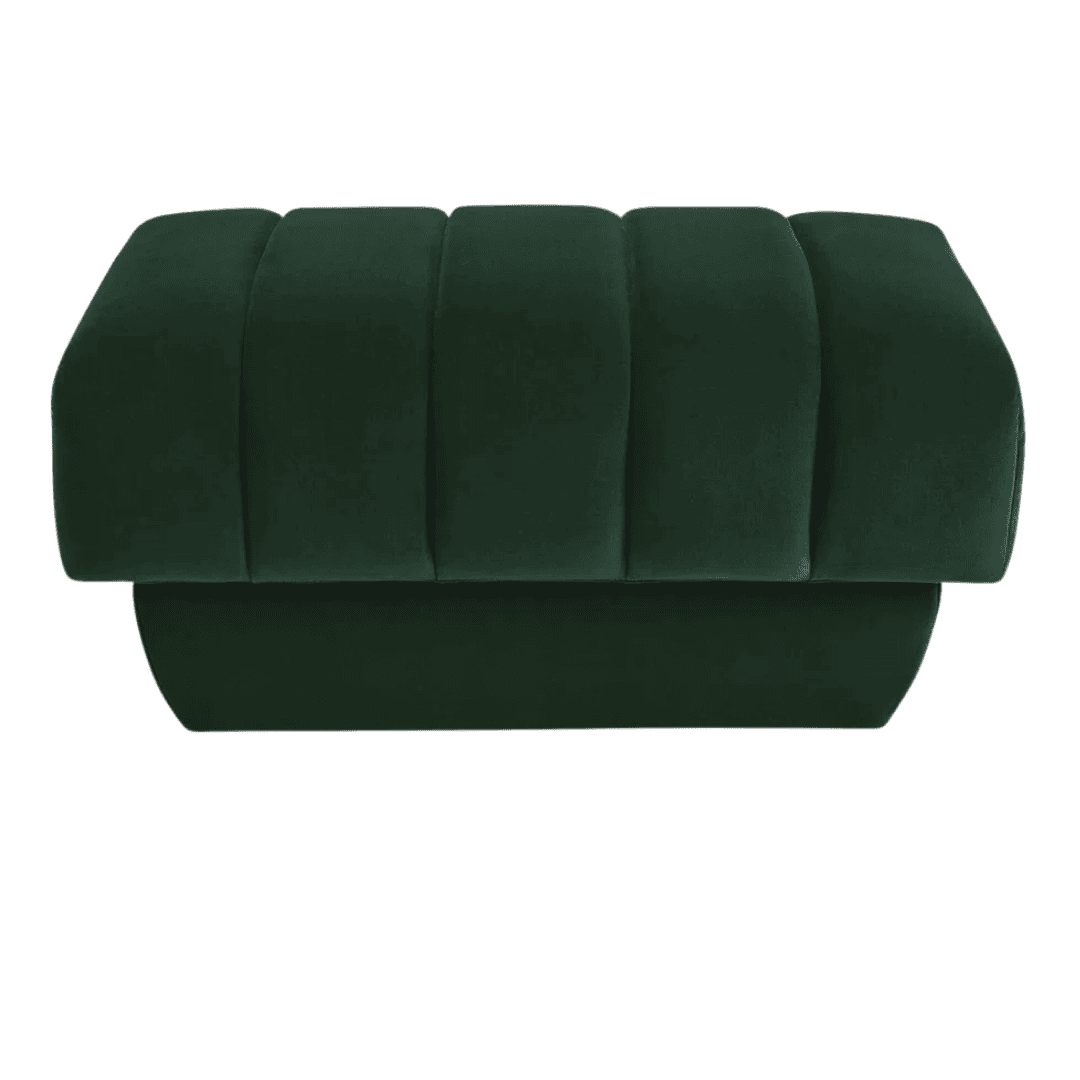
Soft green accents appear in a restrained, intentional way. The upholstered stool adds a subtle note of colour without dominating the palette, while the artwork above echoes the same organic green tones, creating cohesion and balance.
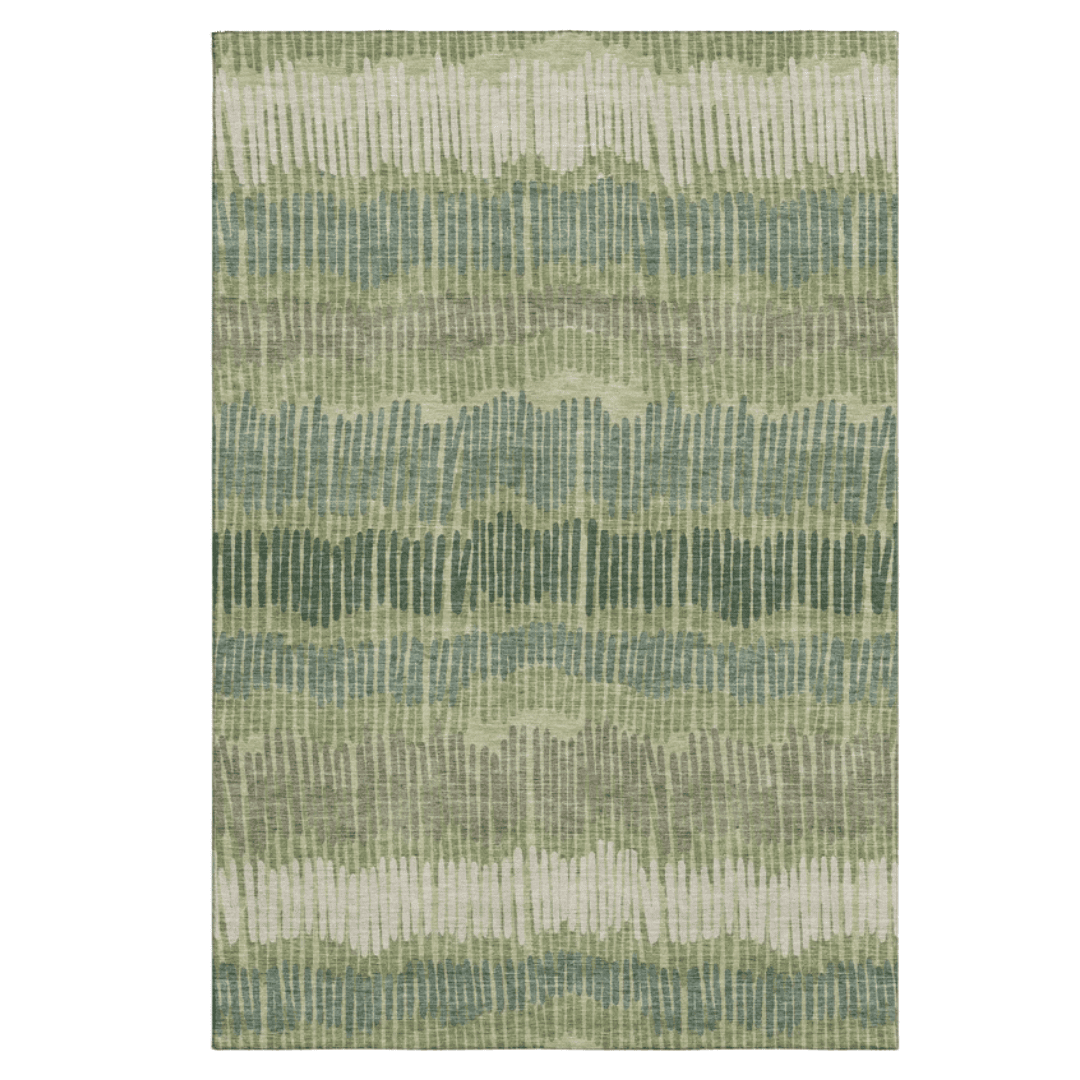
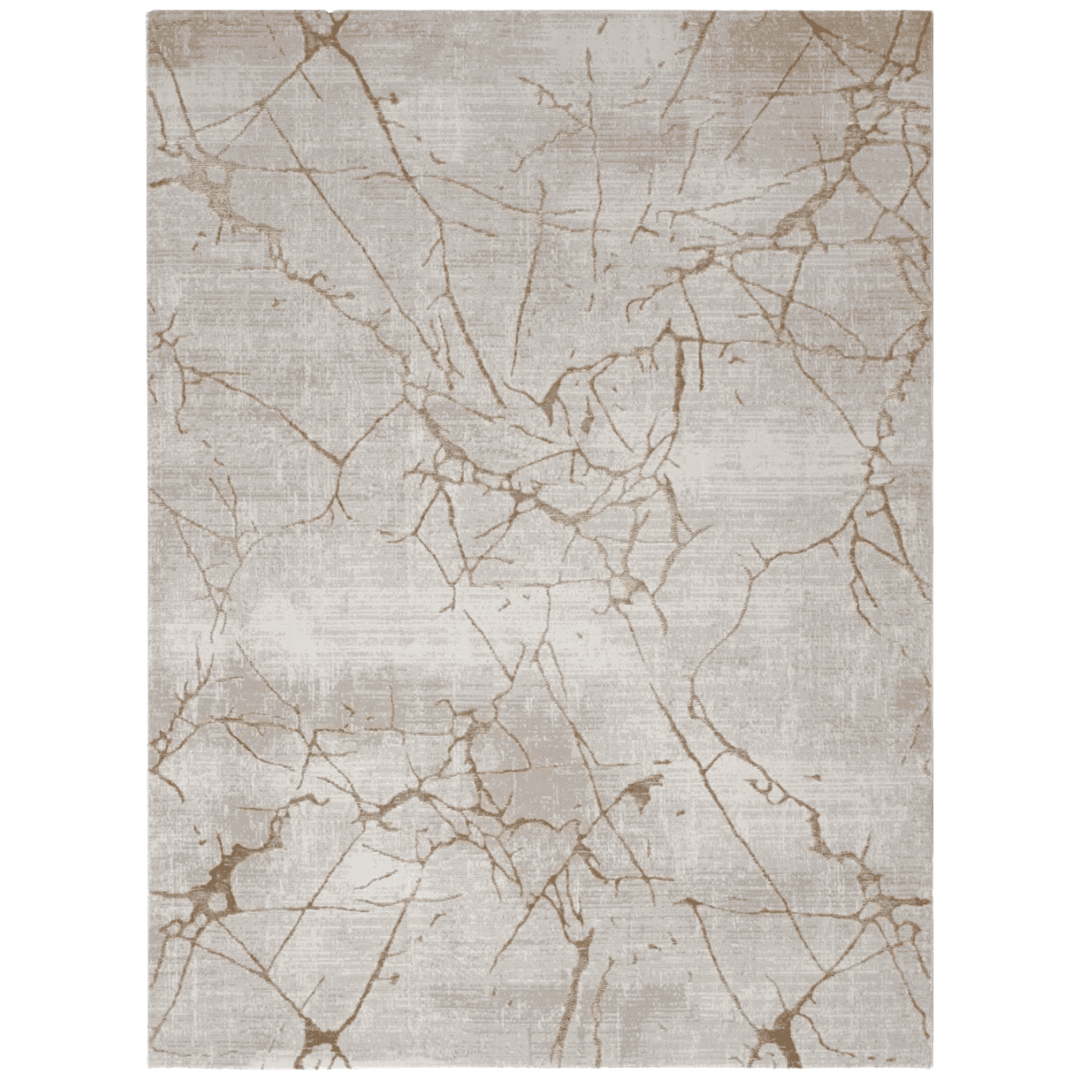
A gently worn rug in warm neutrals grounds the look and softens the contrast between materials. The overall effect is calm and inviting, blending warmth, colour, and texture in a way that feels sophisticated yet approachable.
For those who prefer a lighter, more tailored approach, the next look pares back the palette further, focusing on refined shapes and soft contrast.
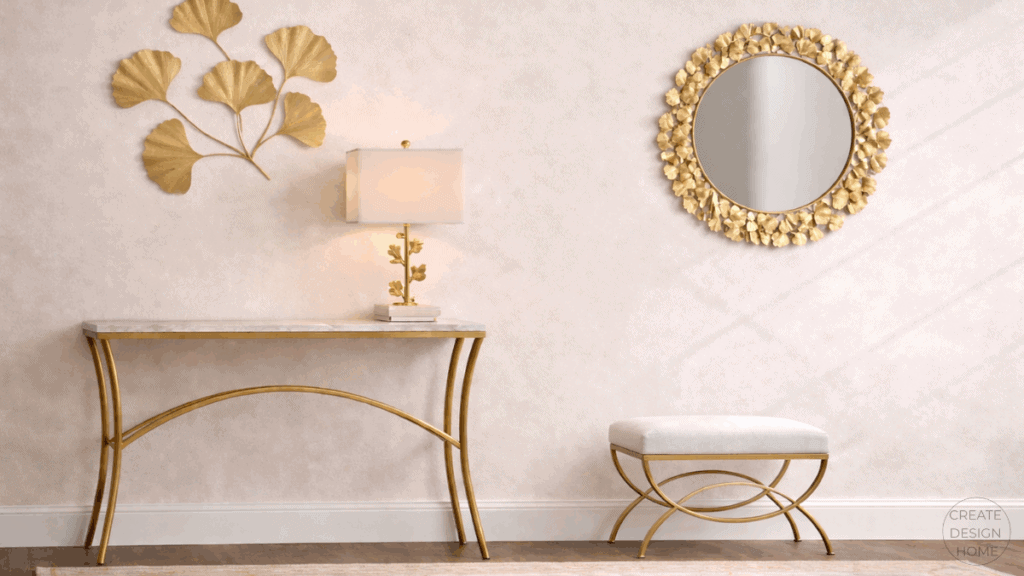
Soft Glamour with Warm Metallics
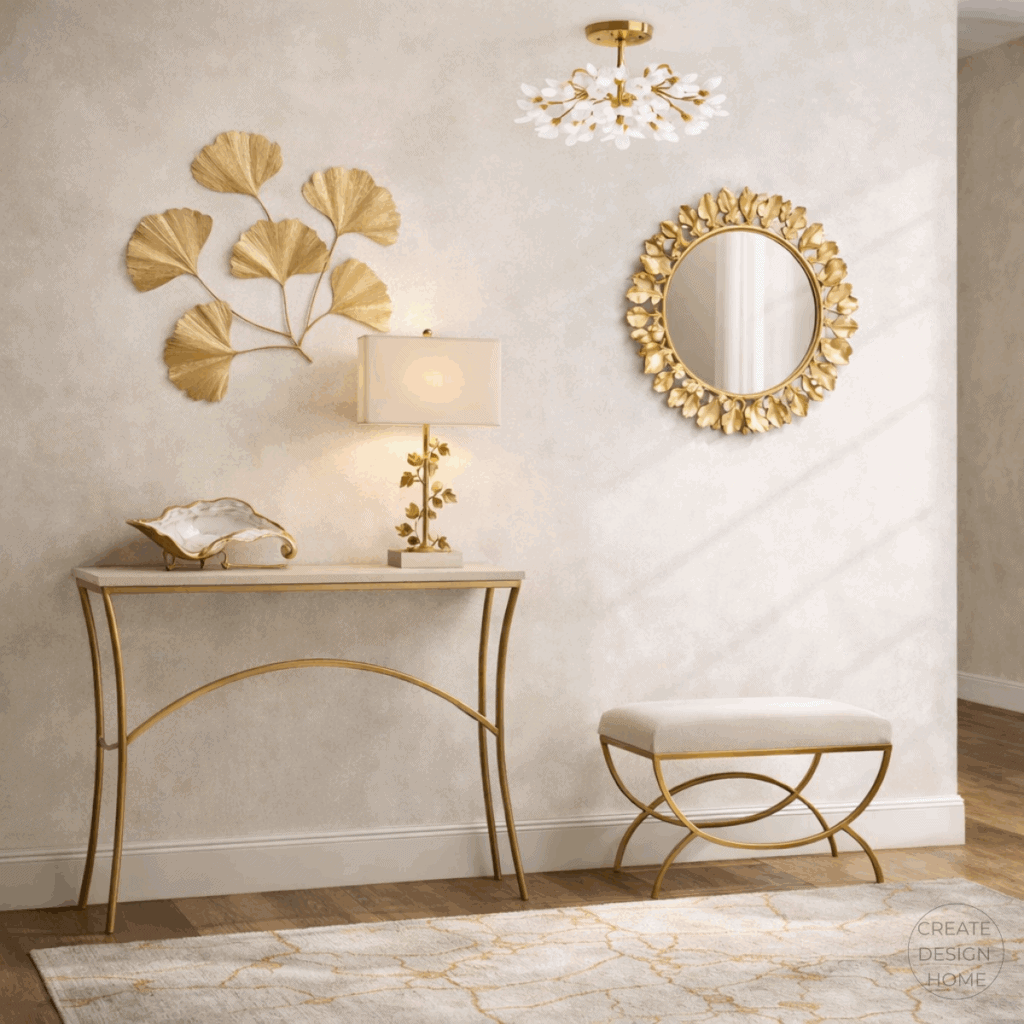
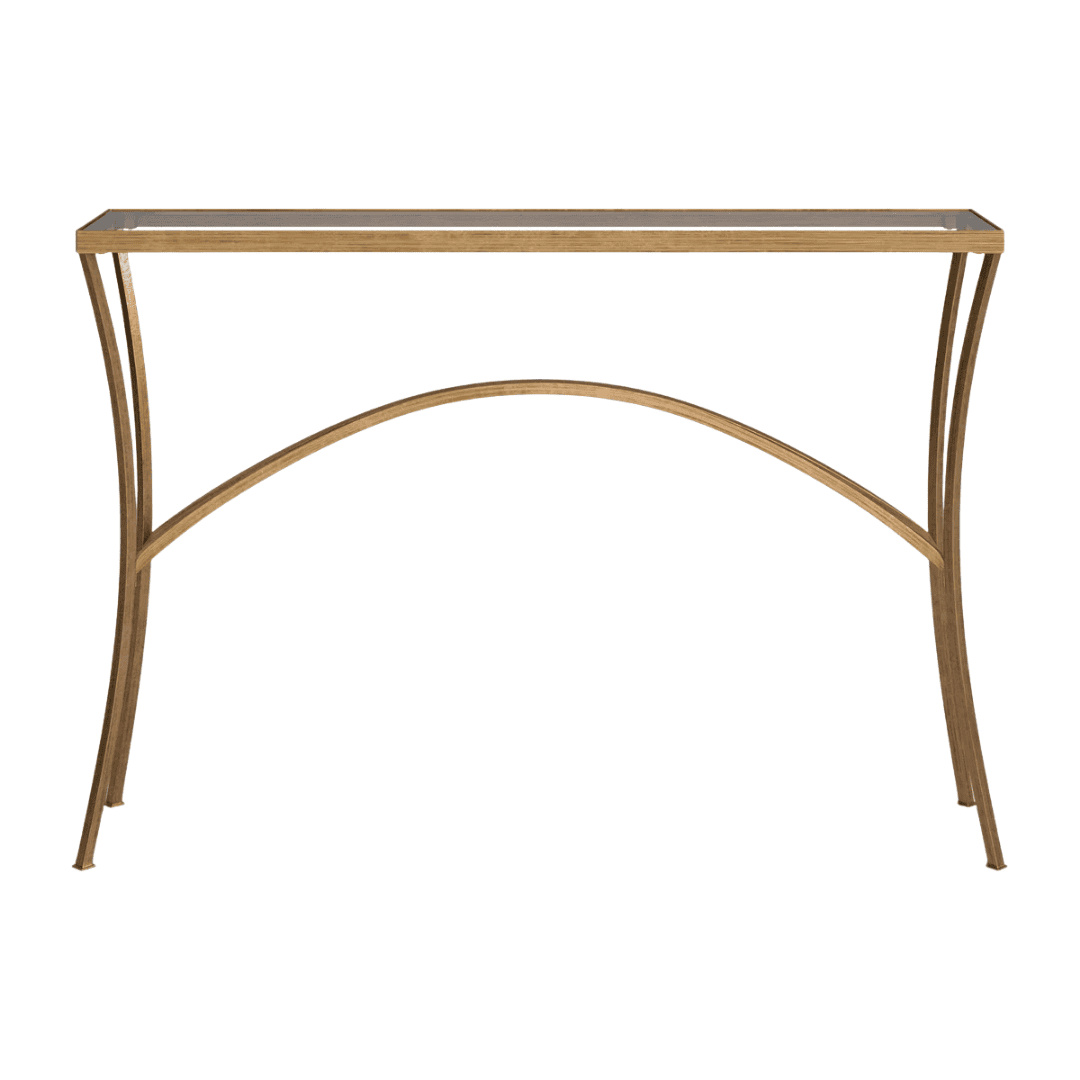
This transitional entryway leans into soft glamour, using warm metallic finishes to create an elegant yet approachable first impression. The slim console table keeps the space feeling open while introducing graceful curves and a subtle reflective quality.
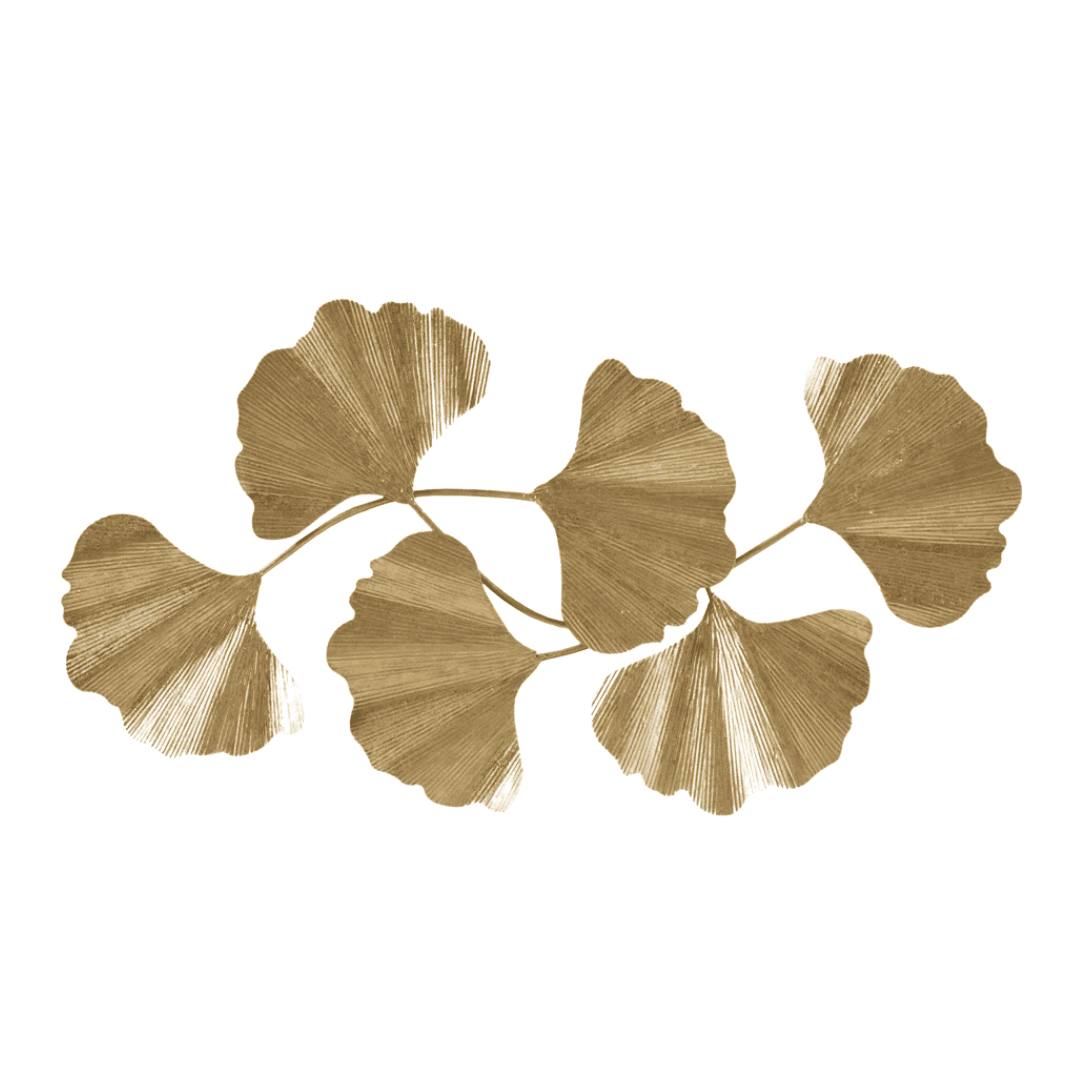
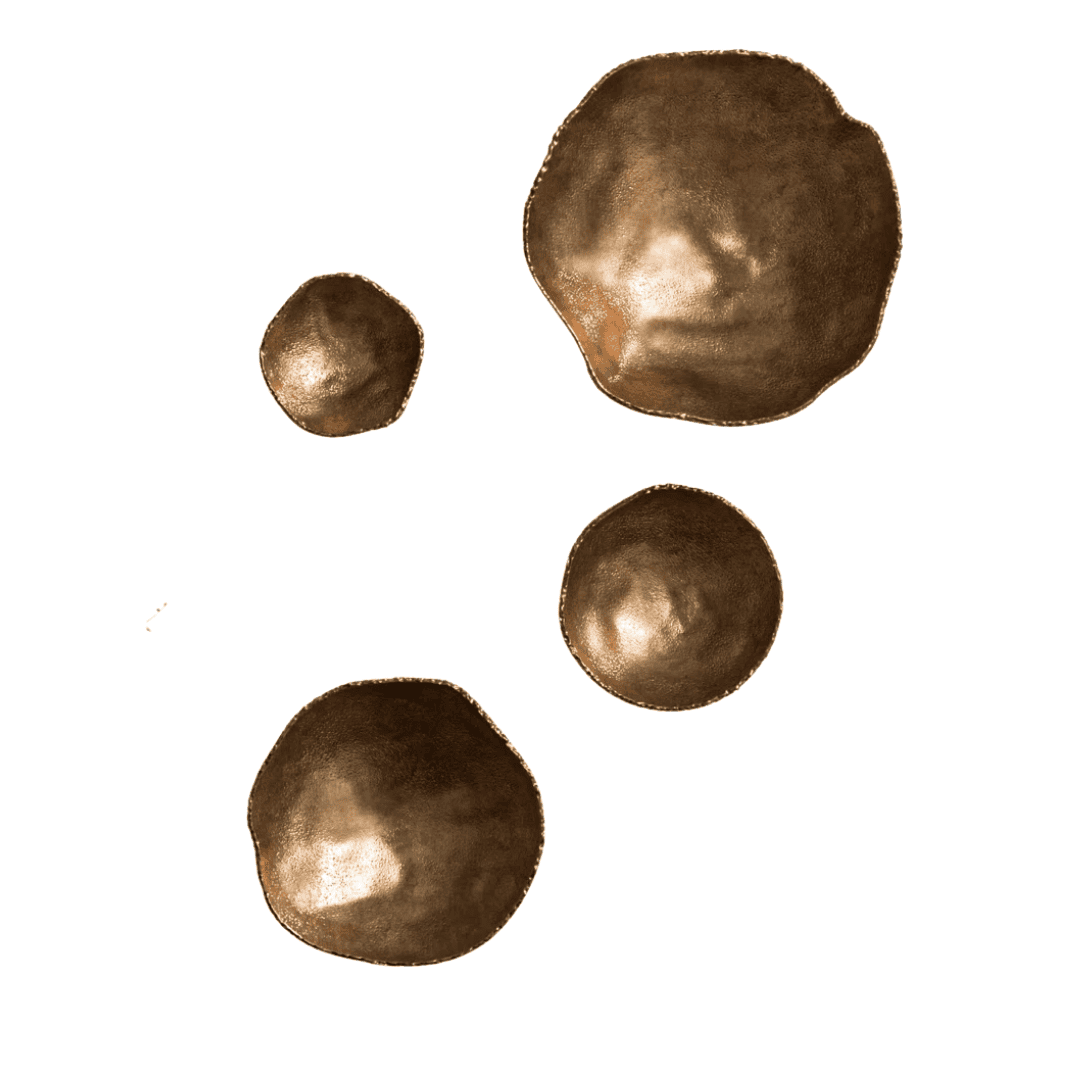
Sculptural wall elements add visual interest without overwhelming the room. The ginkgo-inspired artwork and round mirror bring organic movement to the wall, balancing the clean lines of the furniture below and catching light throughout the day.
Soft upholstery and pale textiles ground the look, preventing the metallic accents from feeling too formal. The result is a space that feels refined, welcoming, and timeless — ideal for an entryway that sets a polished but relaxed tone for the rest of the home.
For a slightly more grounded interpretation of transitional style, the next look shifts toward deeper contrast and bolder material presence.
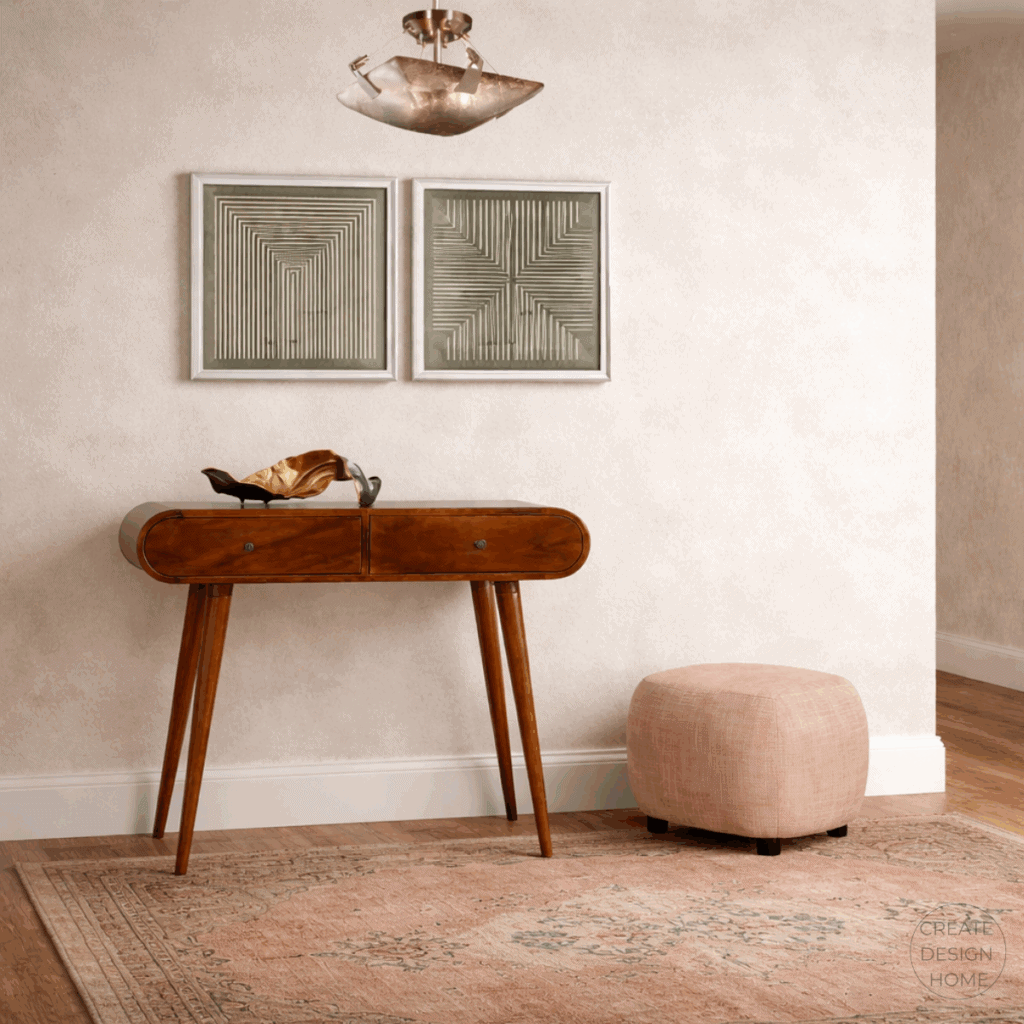
Soft Geometry and Refined Warmth
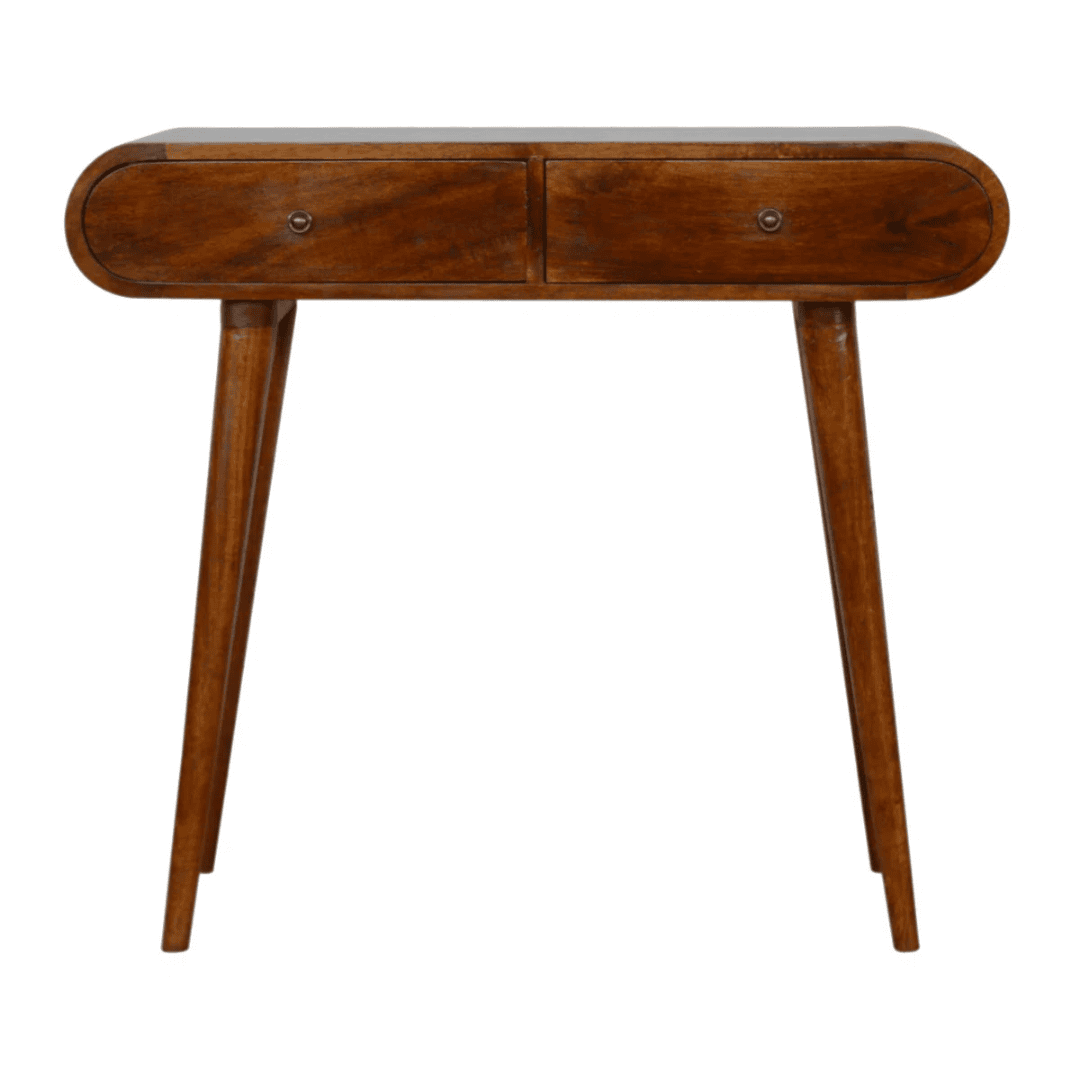
This transitional entryway embraces soft geometry and gentle contrast, creating a space that feels calm, cohesive, and thoughtfully layered. The curved wood console introduces warmth and craftsmanship while keeping the silhouette light and refined.
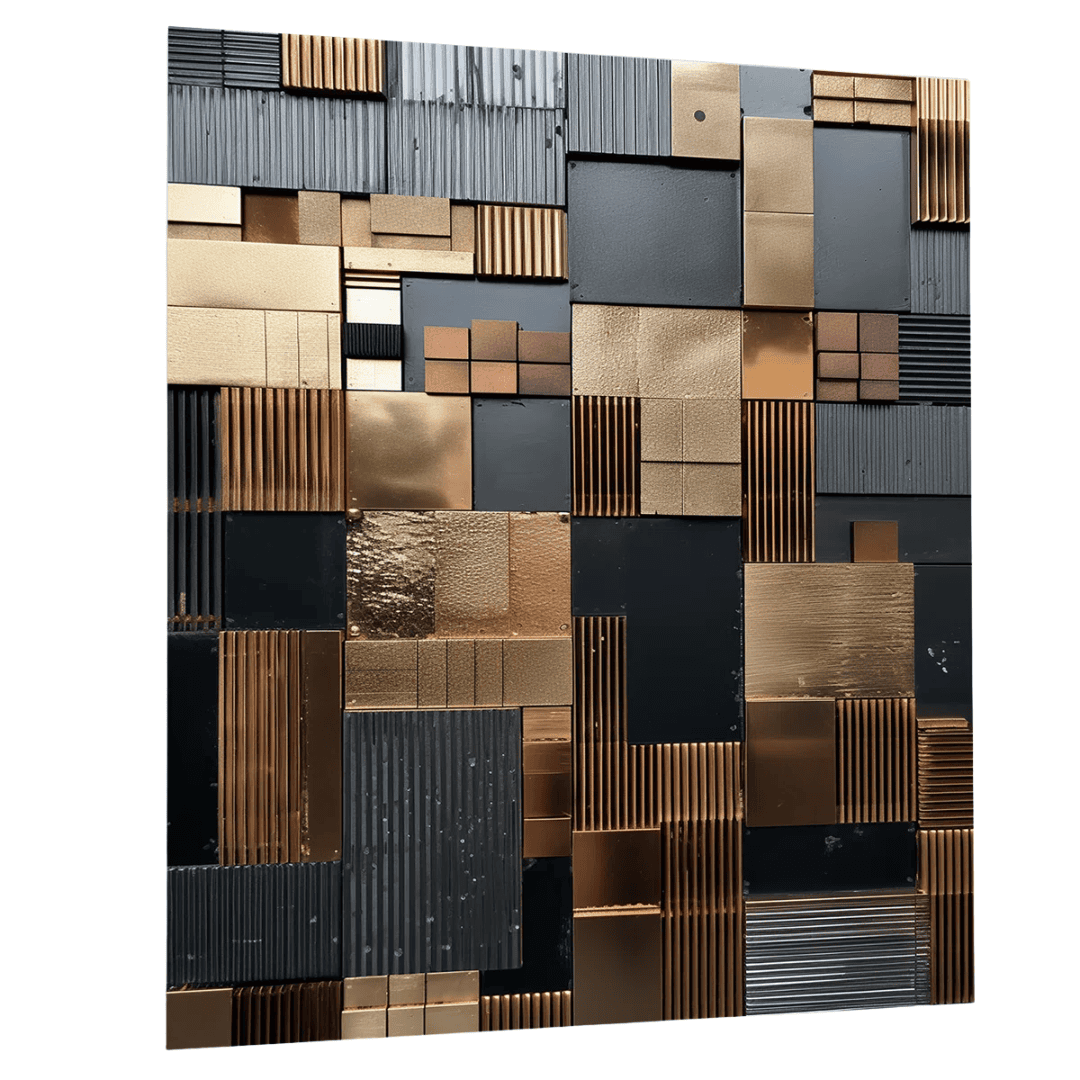
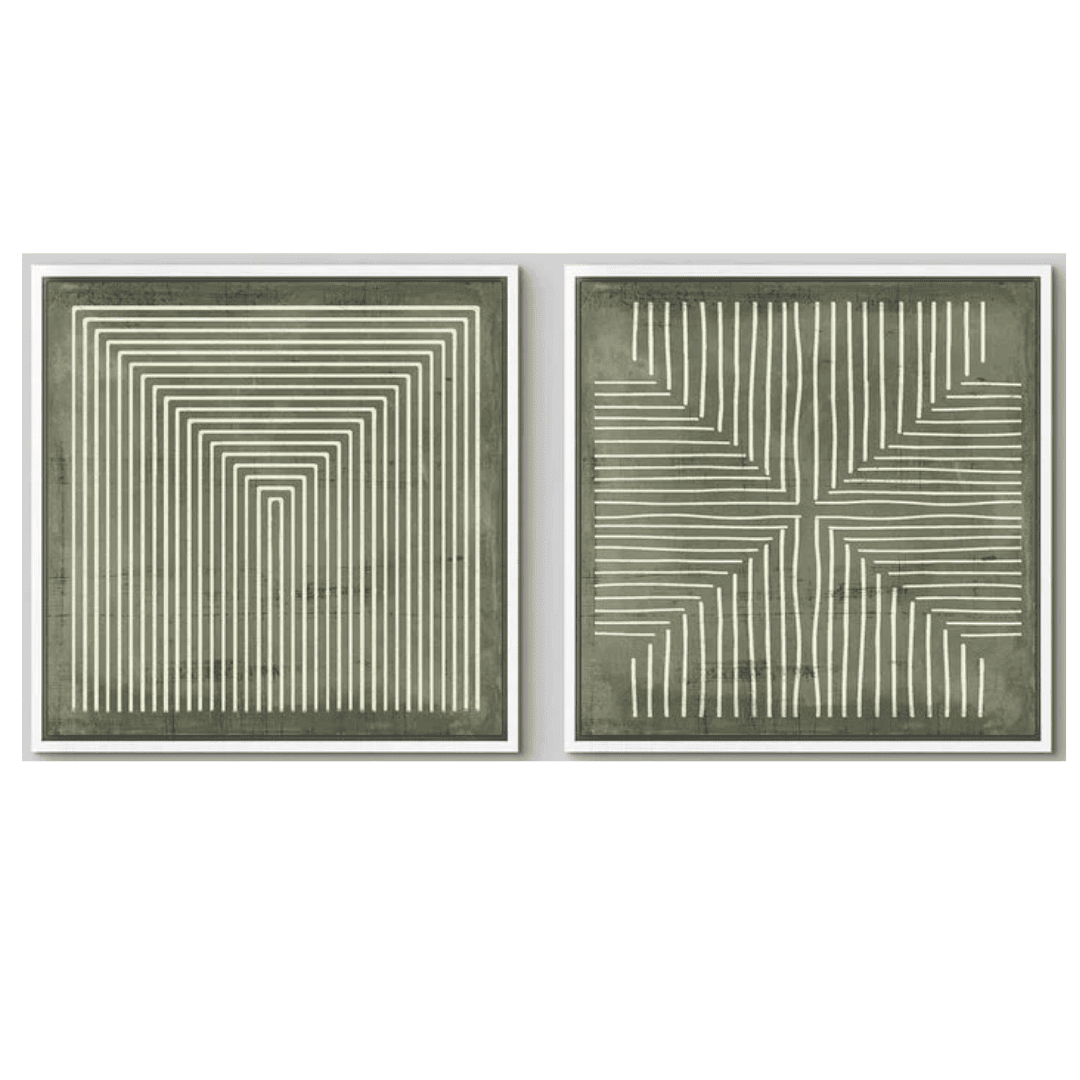
Geometric wall art adds structure and visual interest without dominating the space. Its tonal palette complements the surrounding finishes, allowing texture and form to take precedence over bold colour.
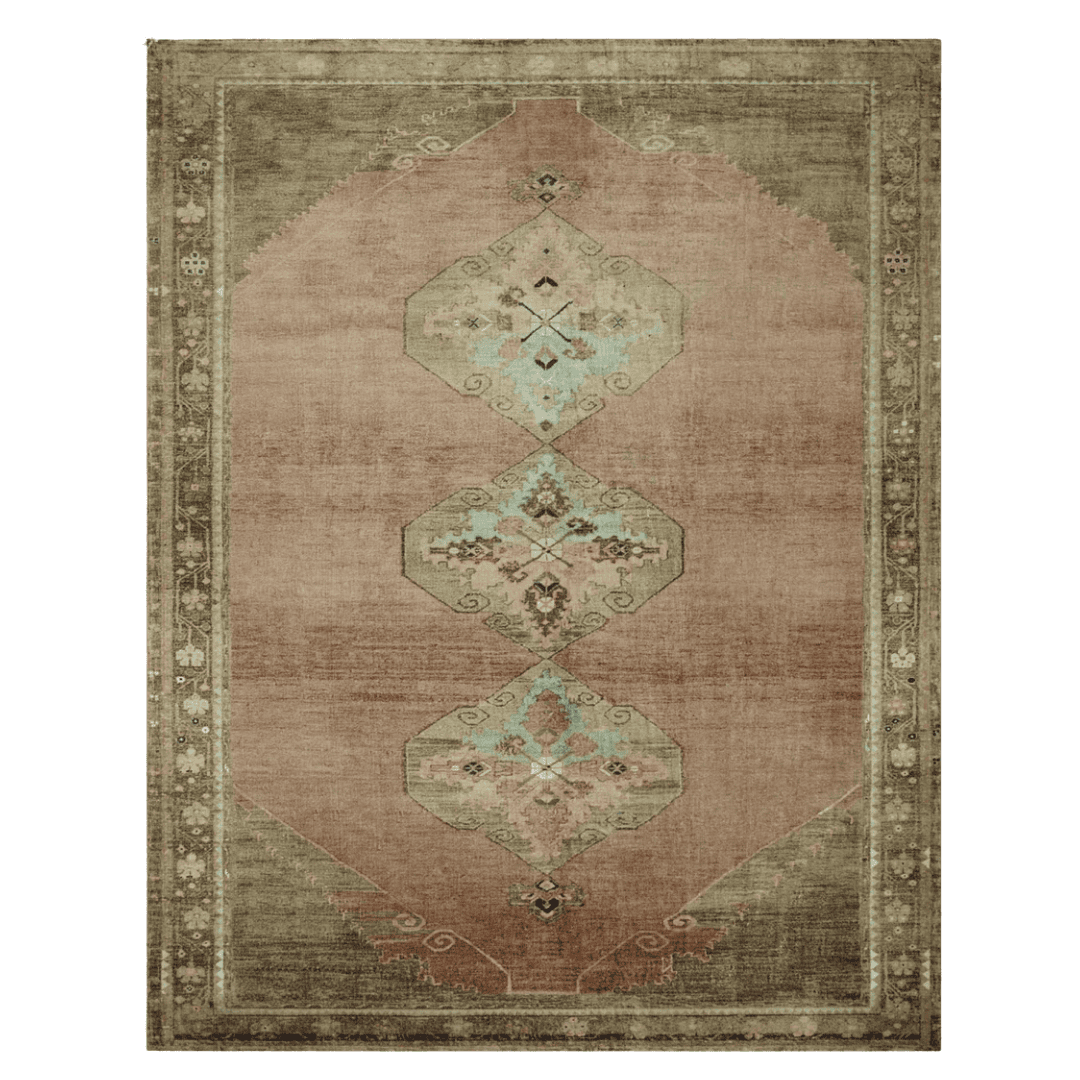
A softly upholstered ottoman and muted patterned rug bring comfort and approachability to the entryway. Together, these elements create a welcoming first impression that feels timeless, livable, and effortlessly elegant.
Mirrors: Texture, Light, and Architectural Interest
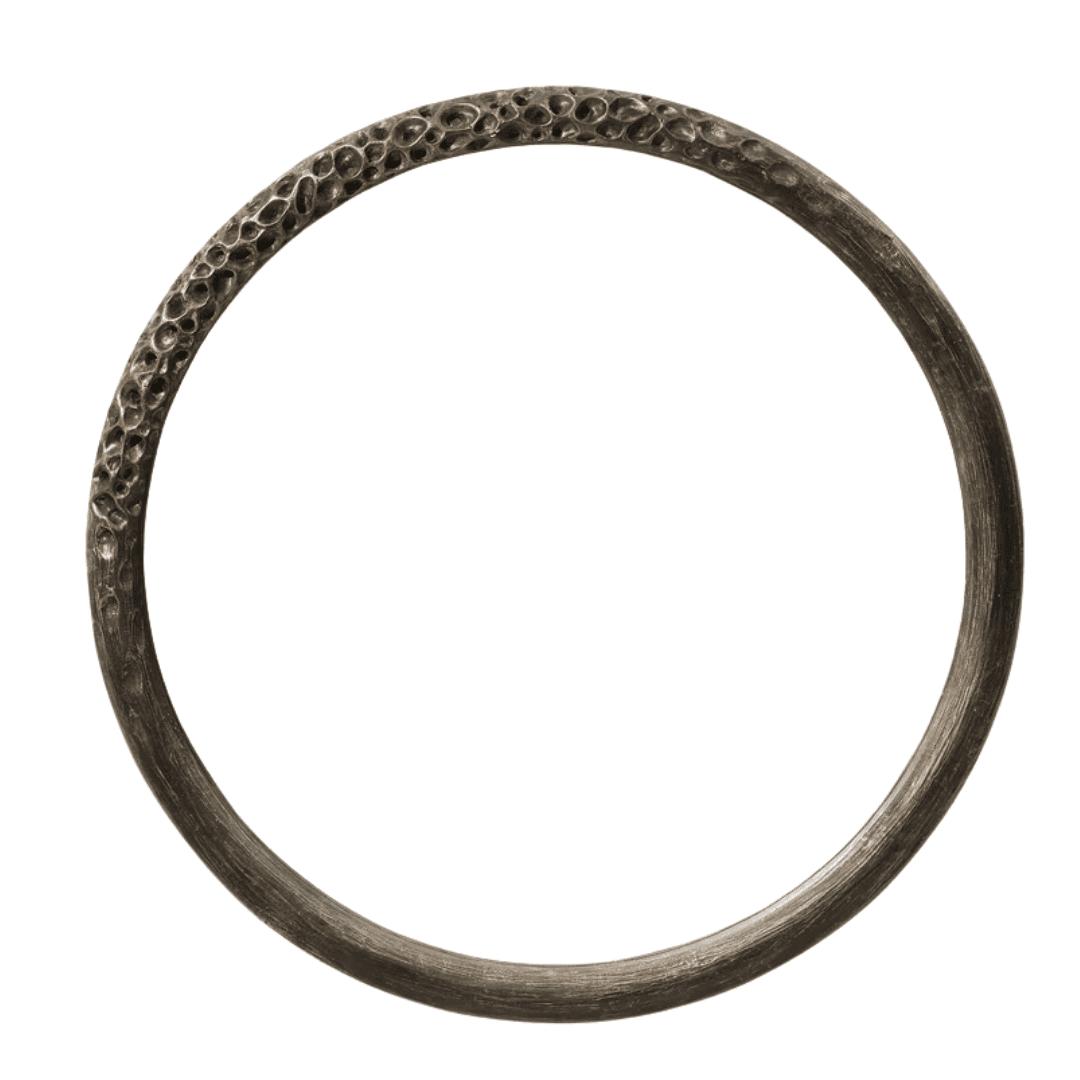
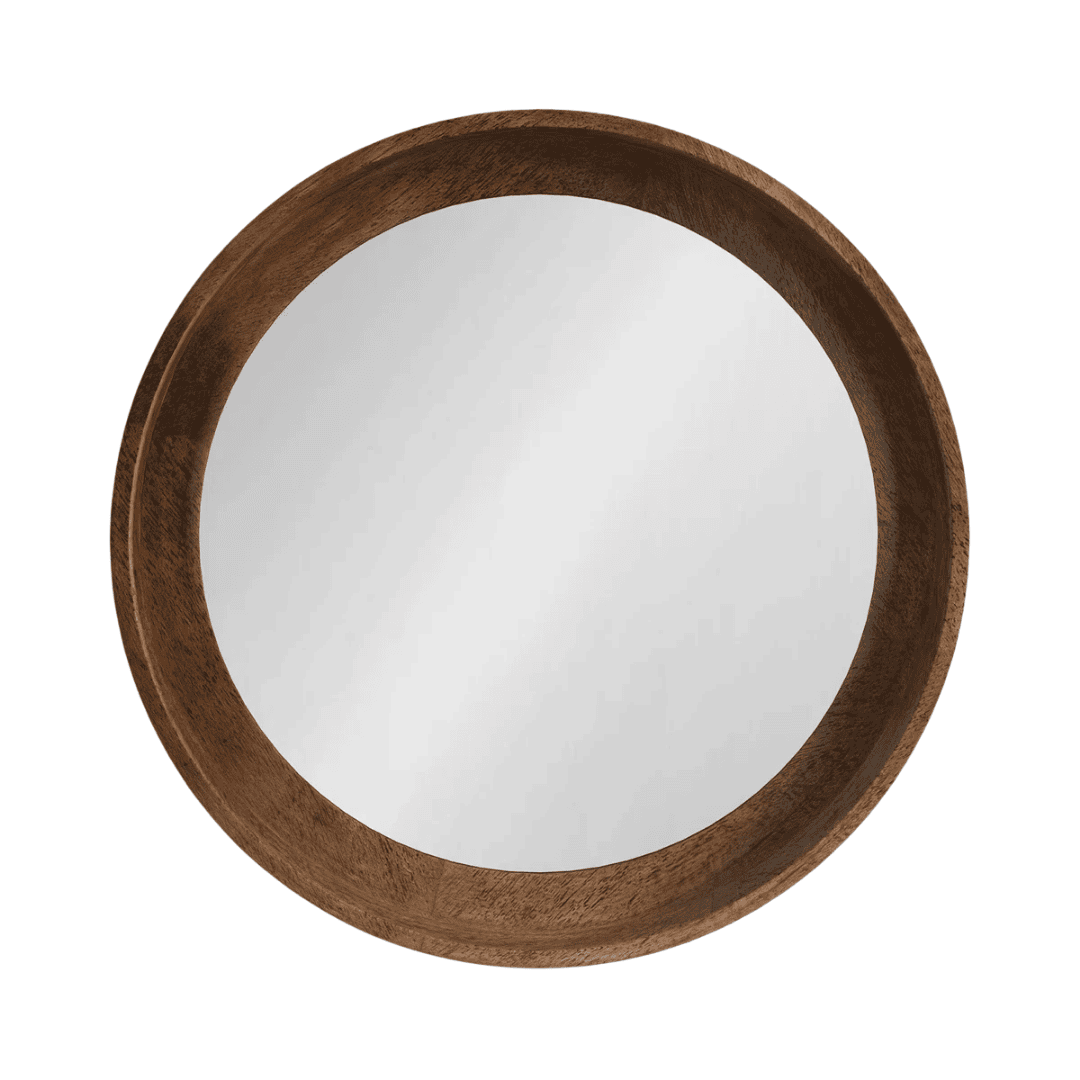
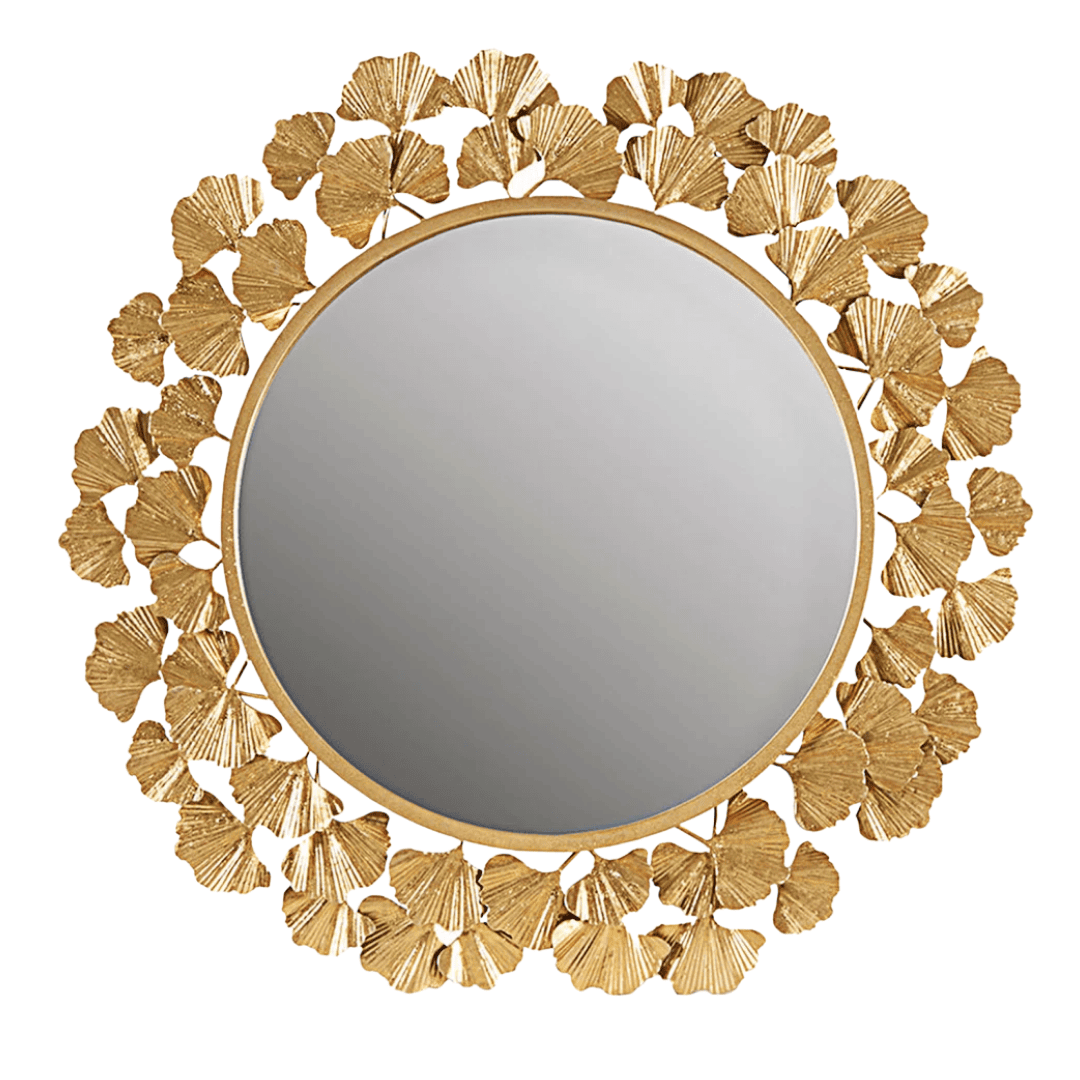
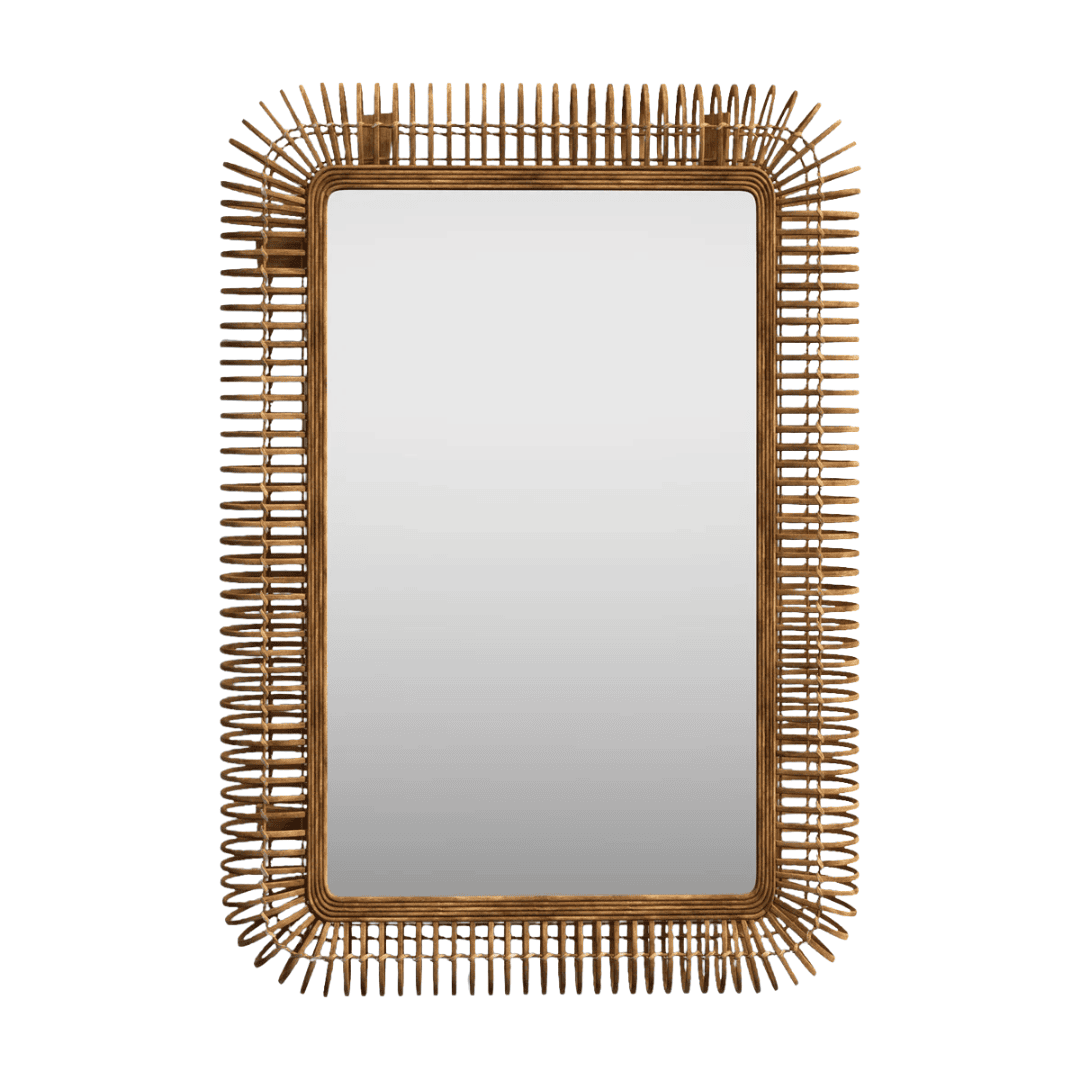
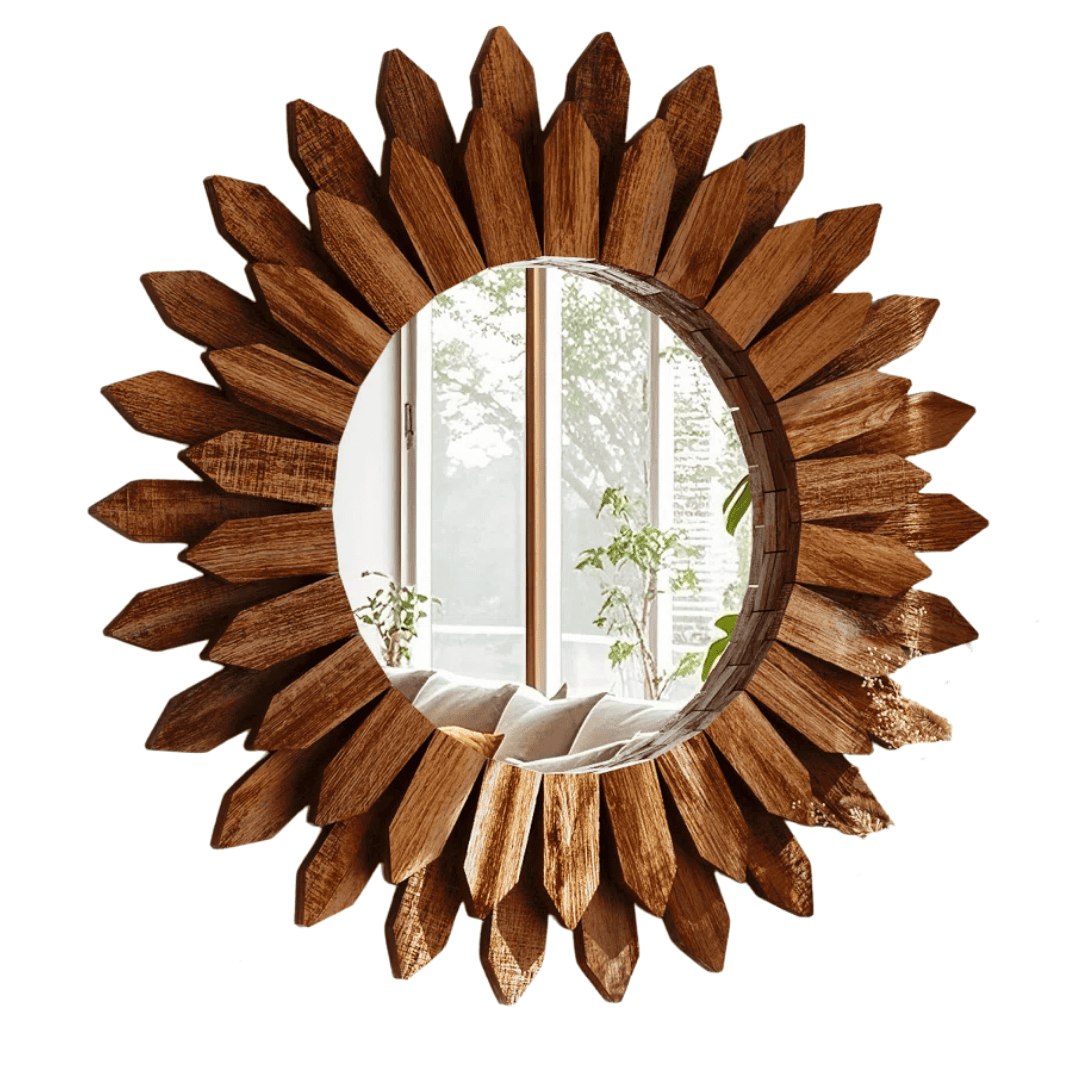
Mirrors in a transitional entryway do more than reflect light — they introduce texture, shape, and a subtle sense of architecture. By mixing materials such as wood, metal, and woven elements, mirrors become decorative features that enhance the overall design rather than simply serving a functional role.
Organic forms and sculptural frames soften the linear lines often found in entryway furniture. Leaf motifs, petal-inspired frames, and handwoven details add visual movement, helping the space feel layered and thoughtfully curated without becoming overly ornate.
Used strategically, mirrors brighten darker hallways, visually expand smaller entryways, and provide a moment of pause before entering or leaving the home. In a transitional setting, they strike a balance between classic structure and contemporary expression — practical, elegant, and visually engaging.
Accessories: Sculptural Accents with Subtle Impact
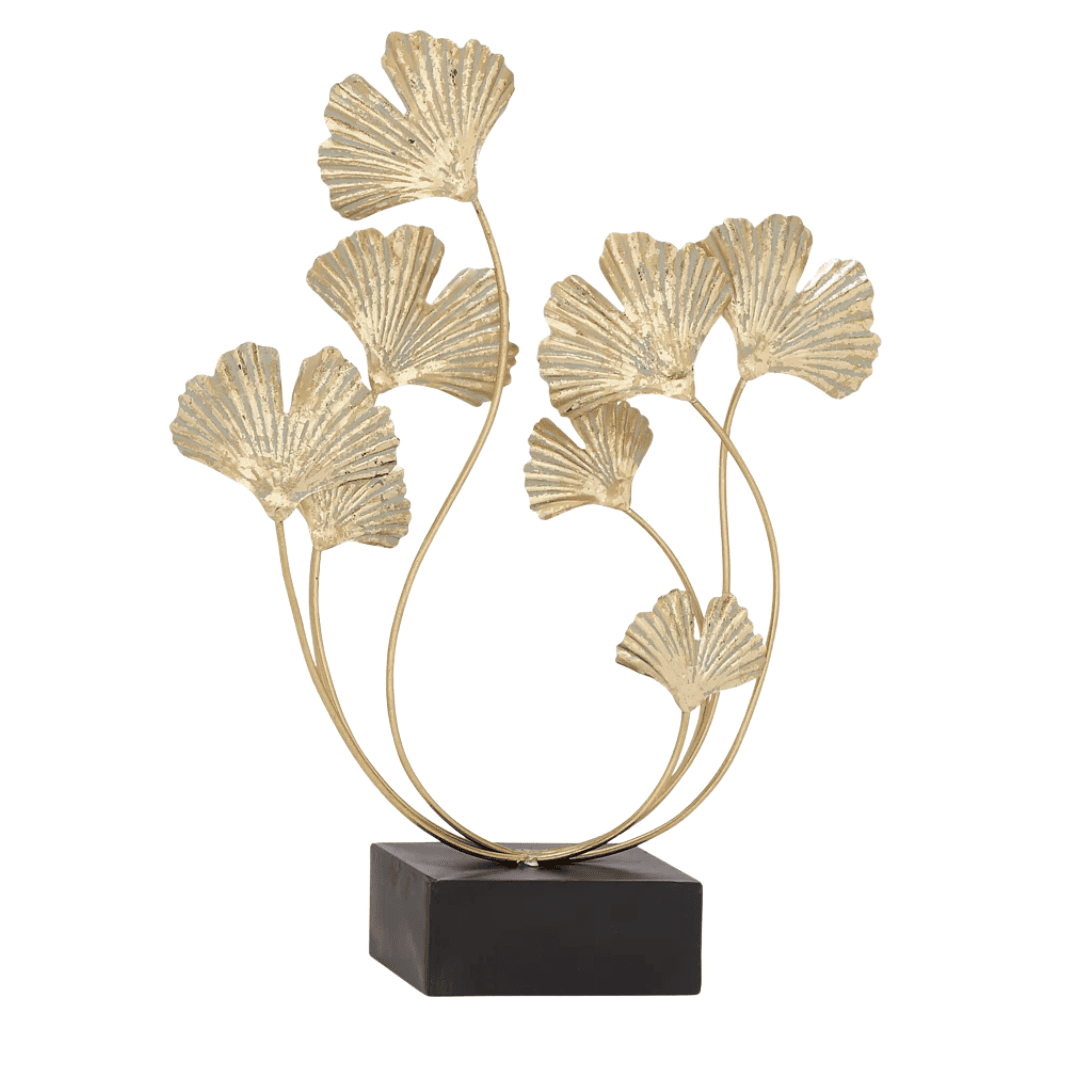
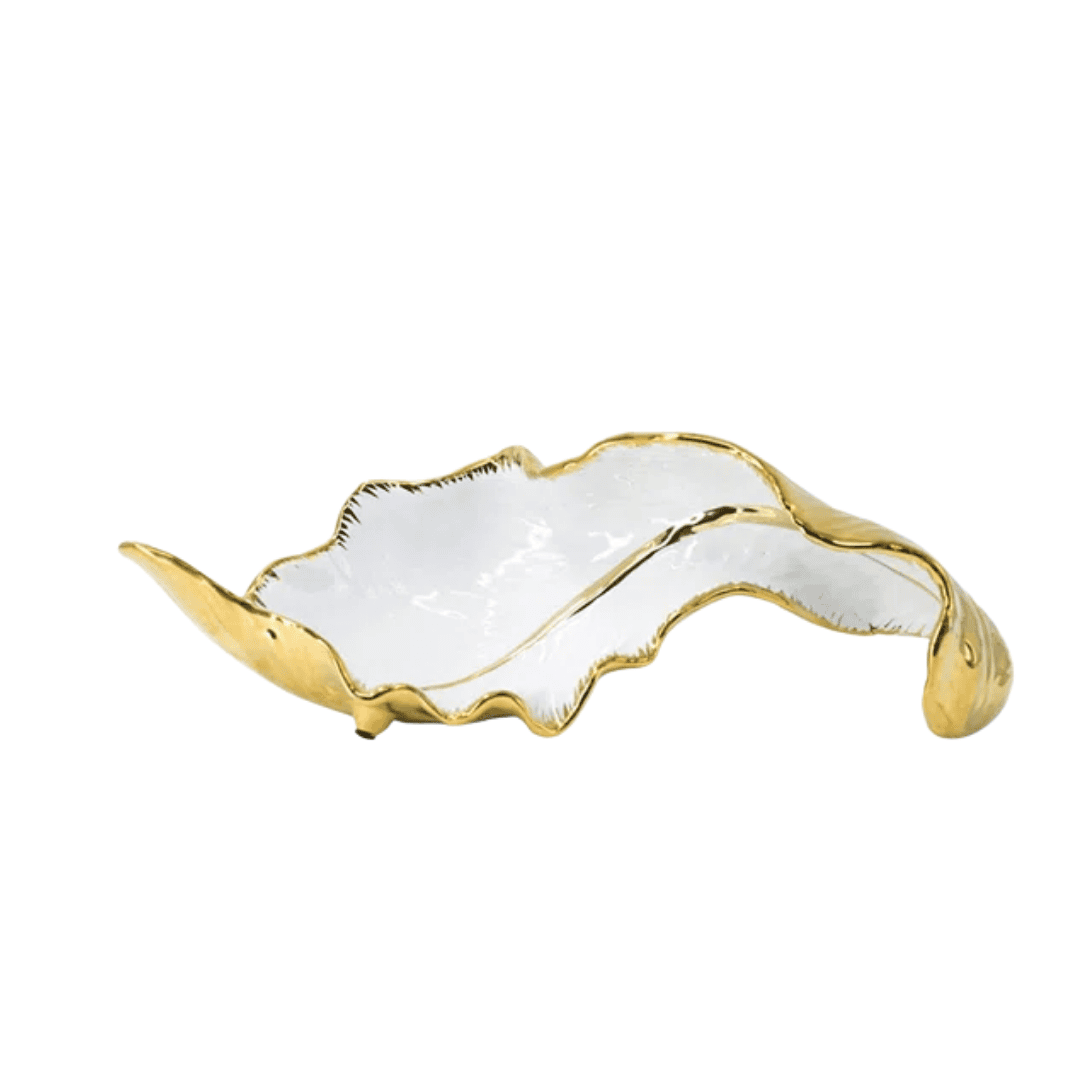
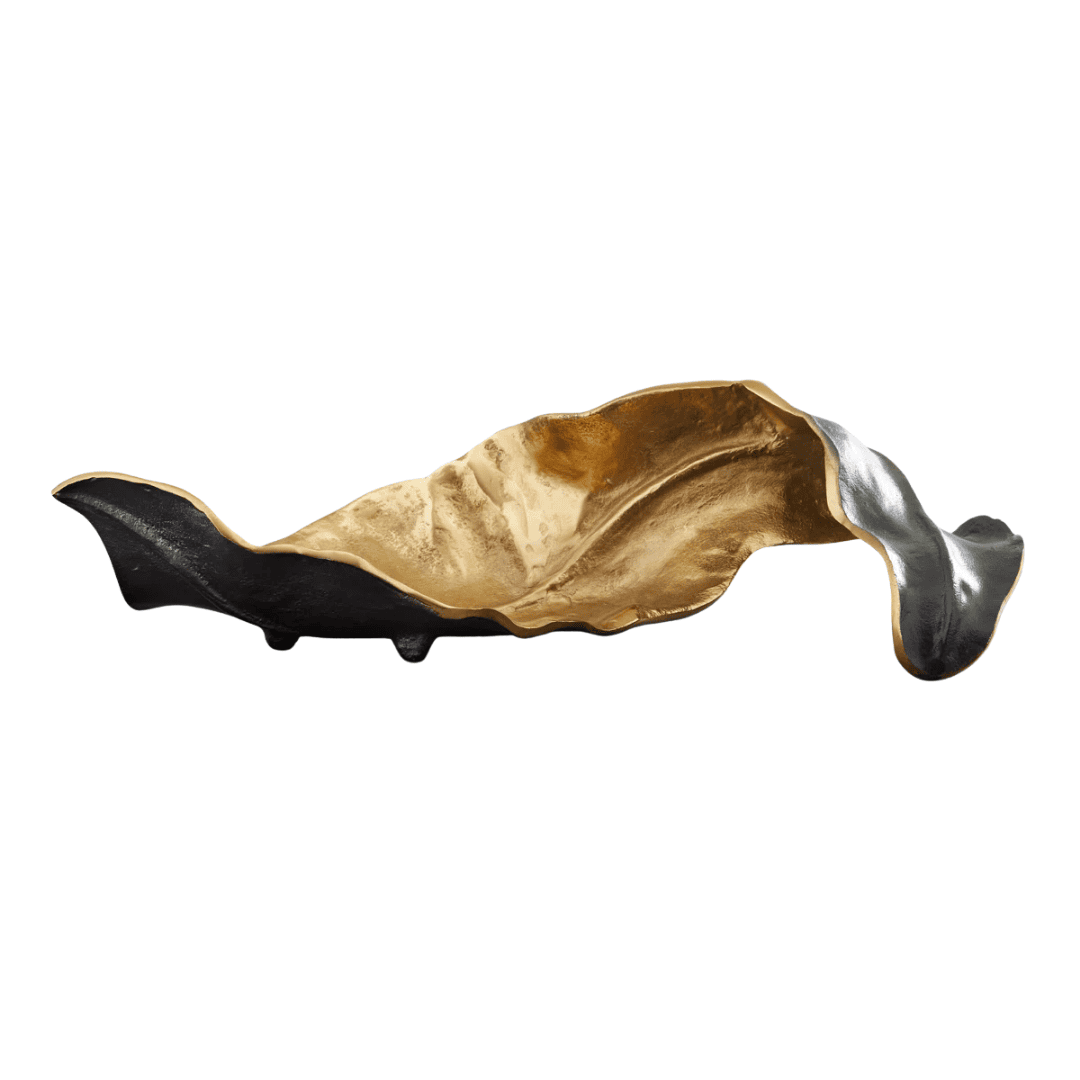
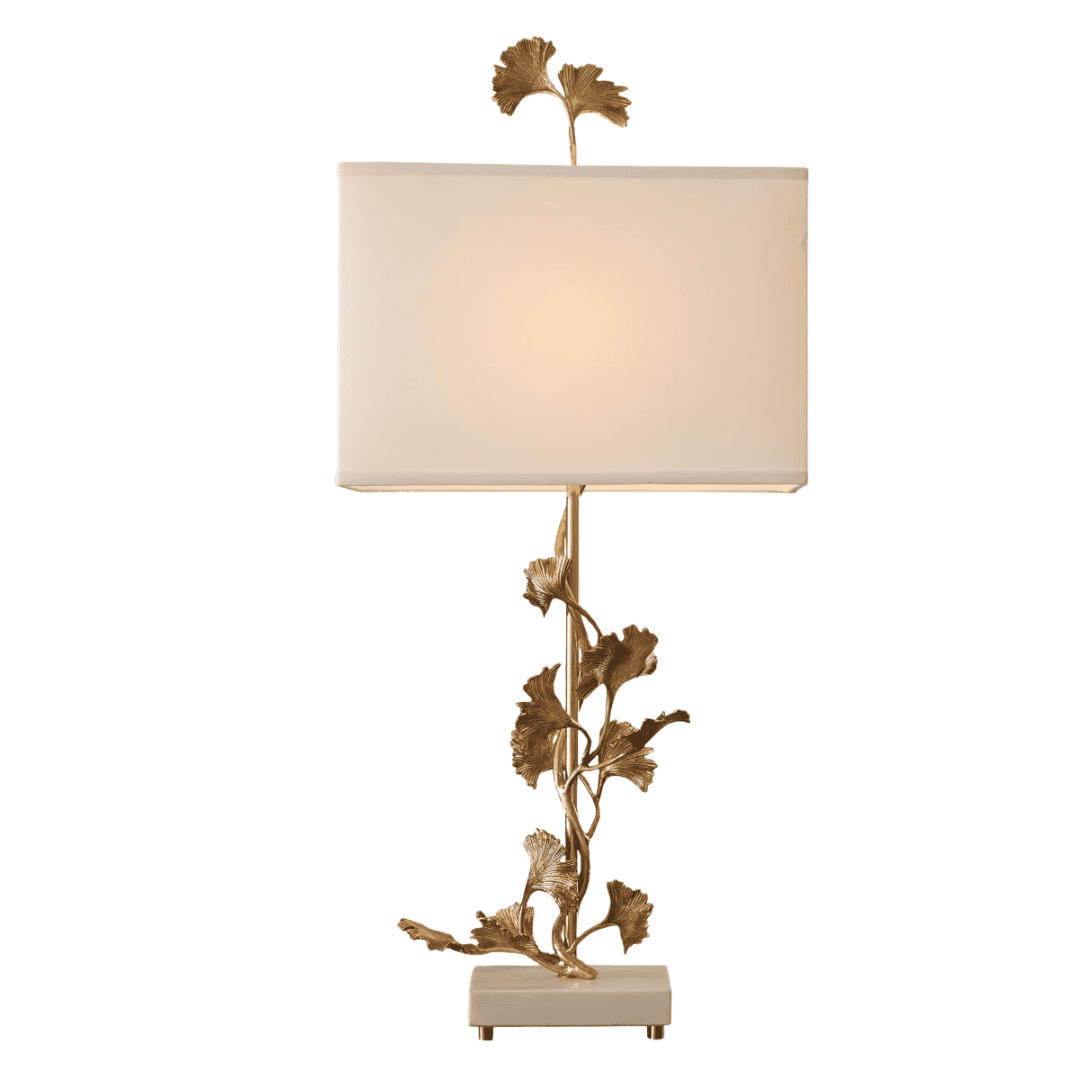
Accessories in a transitional entryway should enhance the space without overwhelming it. Sculptural forms, nature-inspired motifs, and warm metallic finishes introduce visual interest while maintaining a refined, understated feel.
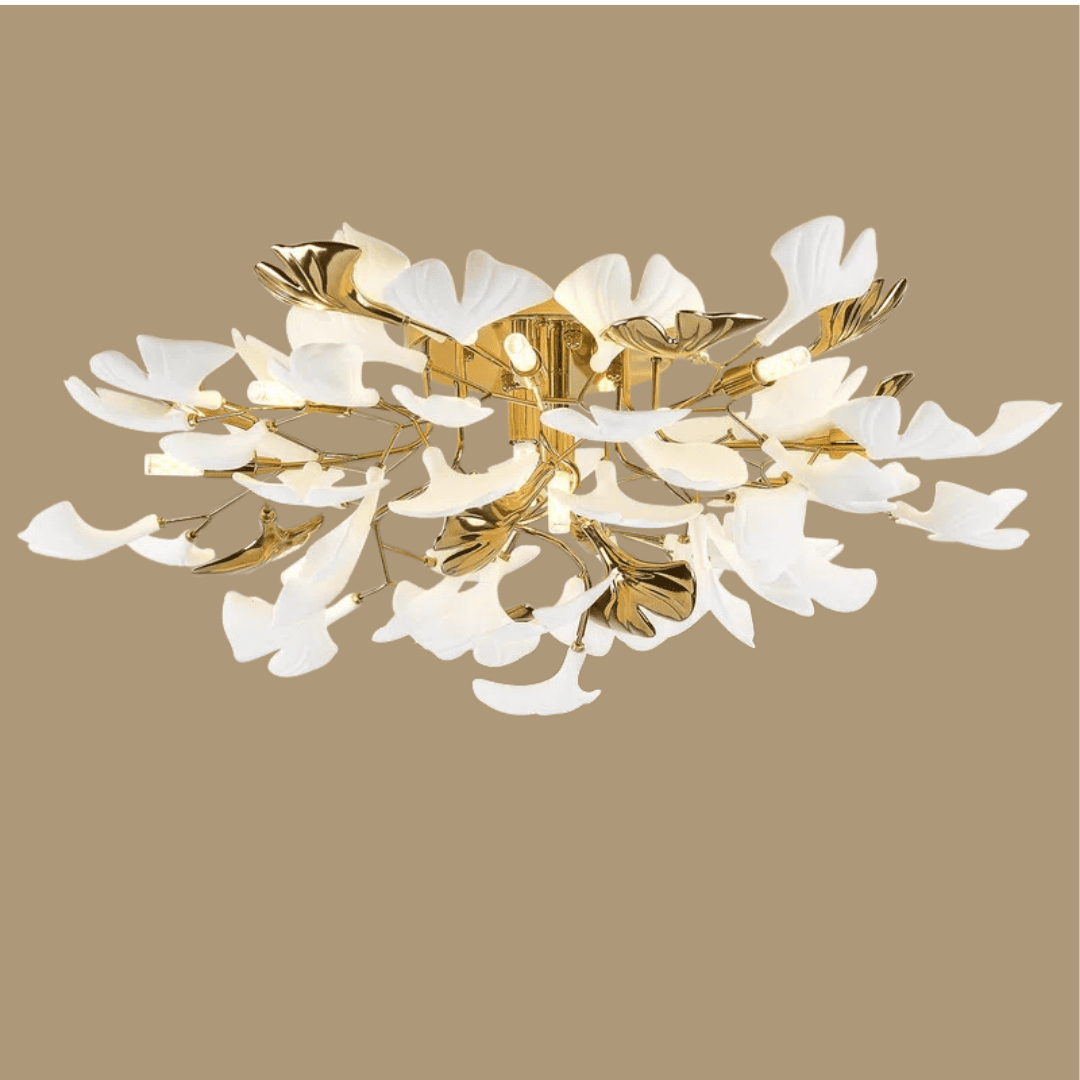
Gold and brass accents add warmth and light, especially when paired with soft ceramics, organic curves, and matte finishes. Leaf forms and abstract shapes echo nature without feeling literal, creating a layered look that feels collected rather than styled.
Used sparingly, these accessories act as finishing touches — grounding consoles, softening strong furniture lines, and reinforcing the balance between classic elegance and modern restraint that defines transitional design.
Paint Colours for a Transitional Entryway
Transitional entryways benefit from warm, creamy neutrals that soften architectural lines and create a welcoming first impression. In this style, paint should enhance traditional forms while still feeling fresh and current, allowing furniture, finishes, and subtle ornamentation to shine.
Rather than crisp whites or cooler greiges, transitional spaces work best with colours that have visible warmth and depth, especially when paired with wood furniture and warm metal accents.
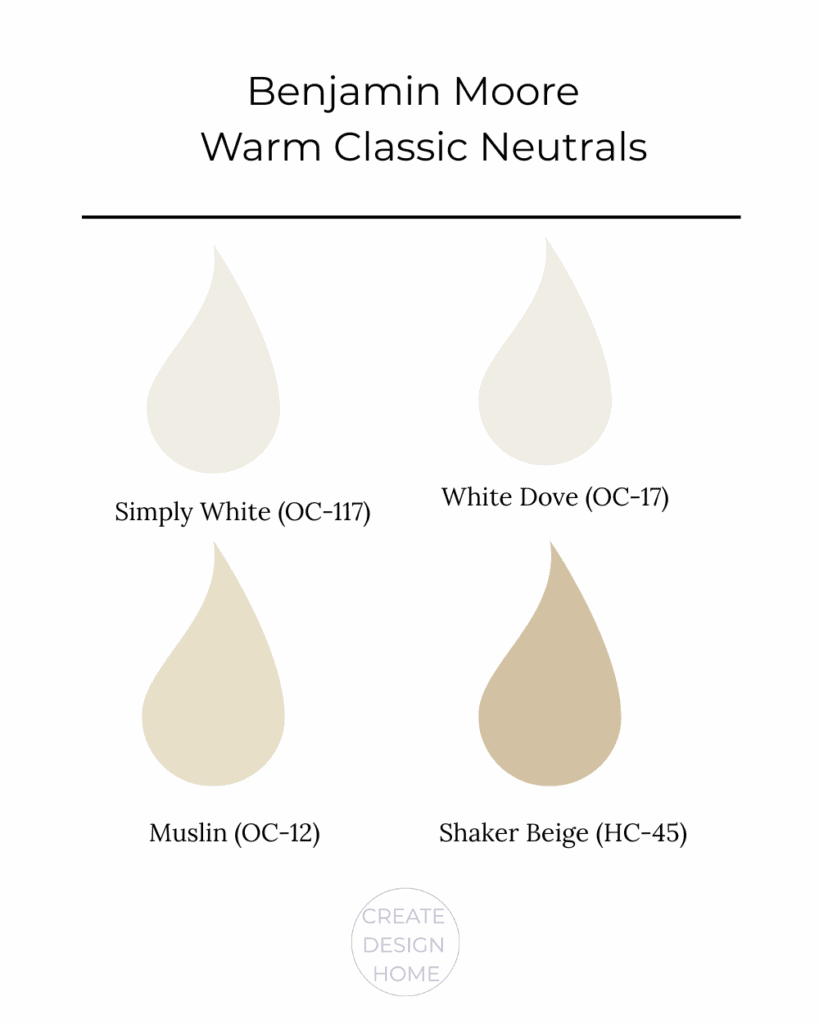
Benjamin Moore – Warm Transitional Neutrals
Benjamin Moore offers several softly warmed neutrals that suit transitional entryways beautifully. Colours such as Simply White (OC-117) and White Dove (OC-17) provide a creamy backdrop without reading yellow, while Muslin (OC-12) and Shaker Beige (HC-45) introduce gentle warmth that complements wood finishes and classic silhouettes.
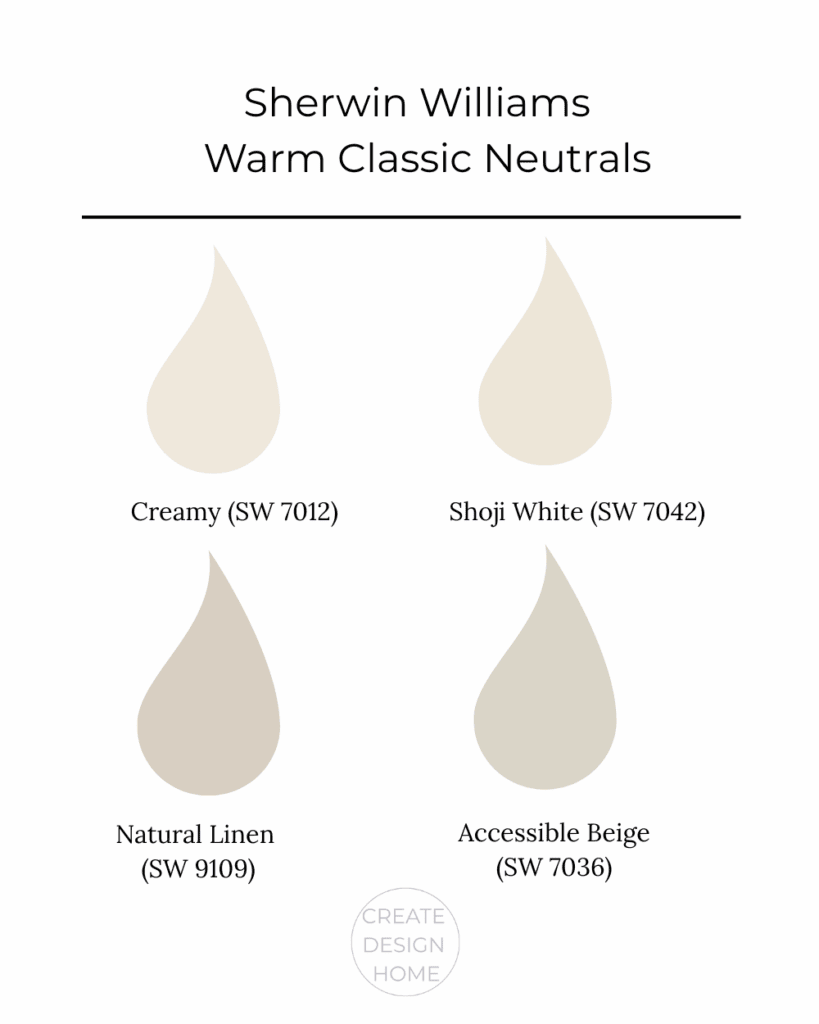
Sherwin-Williams – Warm Transitional Neutrals
For Sherwin-Williams, transitional spaces benefit from neutrals with a slightly richer undertone. Creamy (SW 7012) and Shoji White (SW 7042) create a soft, inviting base, while Natural Linen (SW 9109) and Accessible Beige (SW 7036) add warmth and depth without overwhelming the space.
Paint colours shown are digital approximations and will appear differently depending on lighting, exposure, and screen settings. For best results, test physical paint samples in your home and observe them throughout the day before committing.
Bringing Transitional Entryway Design Ideas Together
A well-designed transitional entryway is less about trends and more about balance. By blending classic forms with modern lines, warm neutrals with tactile materials, and statement pieces with restraint, the space becomes both functional and quietly expressive.
Whether you lean toward rich wood tones, soft metallic accents, or serene neutral walls, transitional design allows flexibility while maintaining cohesion. With the right combination of furniture, mirrors, accessories, and paint, your entryway can set a tone that feels welcoming, elegant, and effortlessly timeless.
For a lighter, relaxed aesthetic inspired by nature, read Coastal Entryway Ideas highlight soft blues, warm whites, and natural textures that create an easy, welcoming atmosphere.
This post contains affiliate links, which means I may earn a small commission if you choose to make a purchase — at no additional cost to you. As an Amazon Associate, I earn from qualifying purchases. All product information is provided by the retailer, and pricing or availability may change at any time.