The Power of Home Staging
Why It Matters, What the Numbers Say, and Which Rooms to Stage
I’m often asked :”What is Home Staging” “Do I need to do it?” “Will it be inconvenient?”
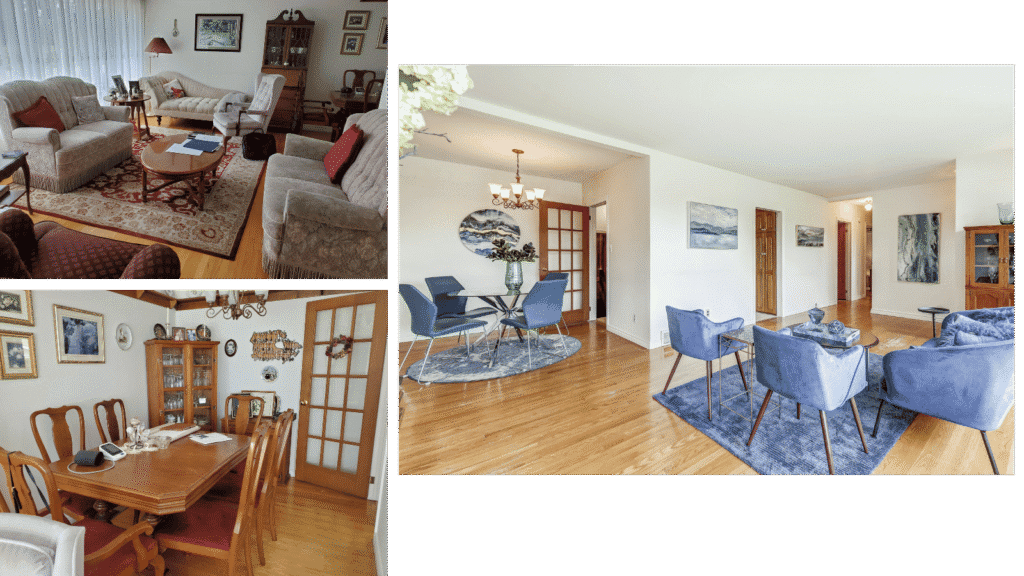
Selling a home is about more than square footage and location—it’s about creating an atmosphere where buyers can instantly picture themselves living. That’s where home staging comes in. More than simple decorating, staging is a strategic marketing tool designed to highlight a property’s strengths, minimize its weaknesses, and capture buyer interest both online and in person.

In today’s competitive real estate market, staging is no longer optional. Buyers expect to see polished, welcoming homes, and the data proves that staged properties sell faster and for more money. Let’s explore exactly what staging is, why it works so effectively, what statistics say about its impact, and which rooms are most important to focus on when preparing a house or condo for sale.
What is Home Staging?
At its core, home staging is the process of preparing a property for sale by arranging furniture, décor, and accessories in ways that showcase its best features. It often involves:

- Decluttering to make spaces feel larger and calmer.
- Depersonalizing by removing family photos and unique collections so buyers can envision themselves in the home.
- Refreshing finishes with neutral paint colors, updated lighting, and modern hardware.
- Strategic furniture placement to define rooms and highlight flow.
- Accessorizing with art, textiles, and plants to add warmth and lifestyle appeal.
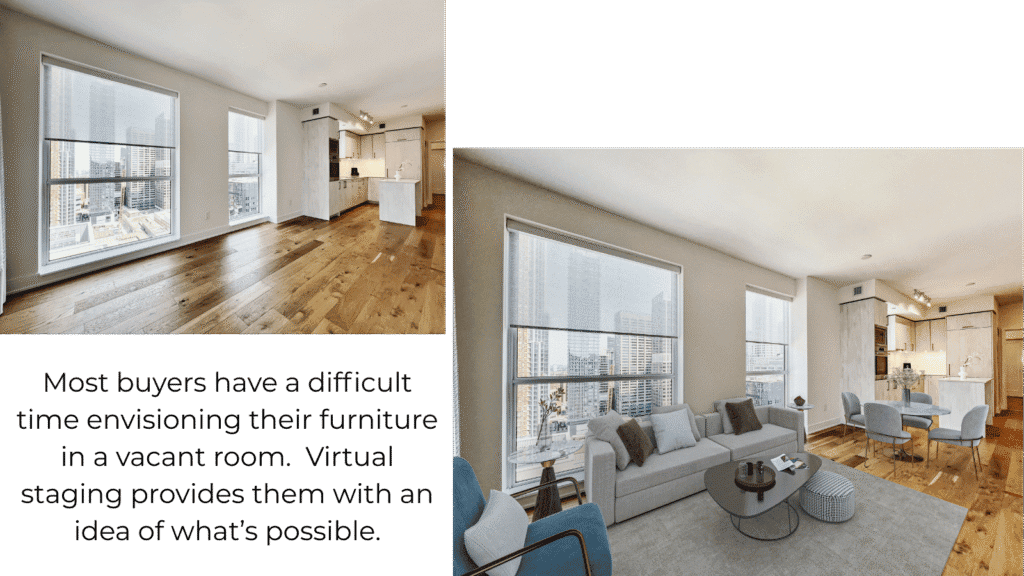
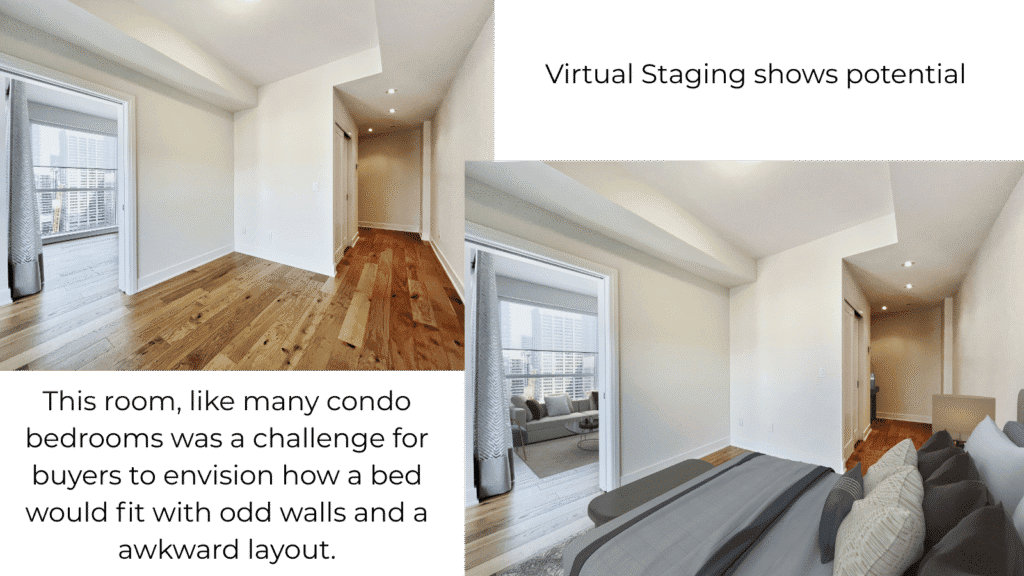
Staging can be done with the homeowner’s existing furnishings (occupied staging), with a curated inventory of rental furniture and décor (vacant staging), or virtually—where digital renderings furnish and style rooms in listing photos. Virtual staging, in particular, has become a cost-effective option for condos or vacant homes, costing a fraction of physical staging while still enhancing online appeal.
1. Why Home Staging Matters
When buyers walk into a property, they don’t just evaluate room sizes and finishes—they imagine how life might look within those walls. Staging fuels that imagination. A thoughtfully styled living room or serene primary bedroom sparks feelings of comfort, aspiration, and belonging.
According to the National Association of Realtors (NAR), 83% of buyers’ agents report that staging makes it easier for clients to visualize a property as their future home. That visualization is powerful; it can be the deciding factor in whether a buyer makes an offer.
2. Staging Sells Homes Faster
Time is money in real estate, and staged homes consistently sell quicker than their unstaged counterparts. Consider these findings:
- Staged homes sell up to three times faster than non-staged homes, according to the Real Estate Staging Association (RESA).
- Another study found that staged homes sold 73% faster than unstaged ones.
- One case study revealed that properties which sat unsold for an average of 184 days were sold within just 41 days after staging.
- NAR’s 2025 staging profile shows staging reduces market time by 30% (slightly) and 19% (significantly) depending on the property.
In other words, staging can save sellers months of carrying costs, stress, and uncertainty.
3. Staged Homes Sell for More Money
Beyond speed, staging has a measurable impact on price. Multiple studies confirm that buyers are willing to pay more for a home that looks move-in ready:
- 17–29% of realtors report that staging increases dollar value offers by 1% to 10%.
- RESA found staged homes can sell for up to 15% more than unstaged ones.
- Industry analysts estimate staging delivers an average return on investment (ROI) of over 550%—meaning for every $1 spent on staging, sellers may see over $5.50 back at closing.
Even modest improvements, like rearranging furniture or updating lighting, can yield outsized financial results.
4. Online Appeal and Marketing Advantage
Nearly every buyer starts their search online. Listing photos are often the first—and sometimes only—chance to capture interest. Staged homes photograph better, look brighter and more spacious, and stand out in crowded MLS feeds.
- 41% of buyers say they are more likely to tour a staged home after viewing online photos.
- 40–50% of realtors report that staging boosts online traffic and engagement.
In the digital era, staging doesn’t just influence showings—it influences which properties buyers choose to visit at all.
Which Rooms Should Be Staged?
While staging every room is ideal, some areas matter more than others. According to NAR’s most recent survey of buyer and seller agents, three spaces consistently rank as the most influential:
Living Room – The Heart of the Home
The living room is almost always the first impression space. It’s where families gather, guests are entertained, and buyers picture daily life unfolding.
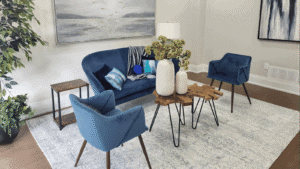
- 37% of buyers’ agents said the living room is the most important room to stage.
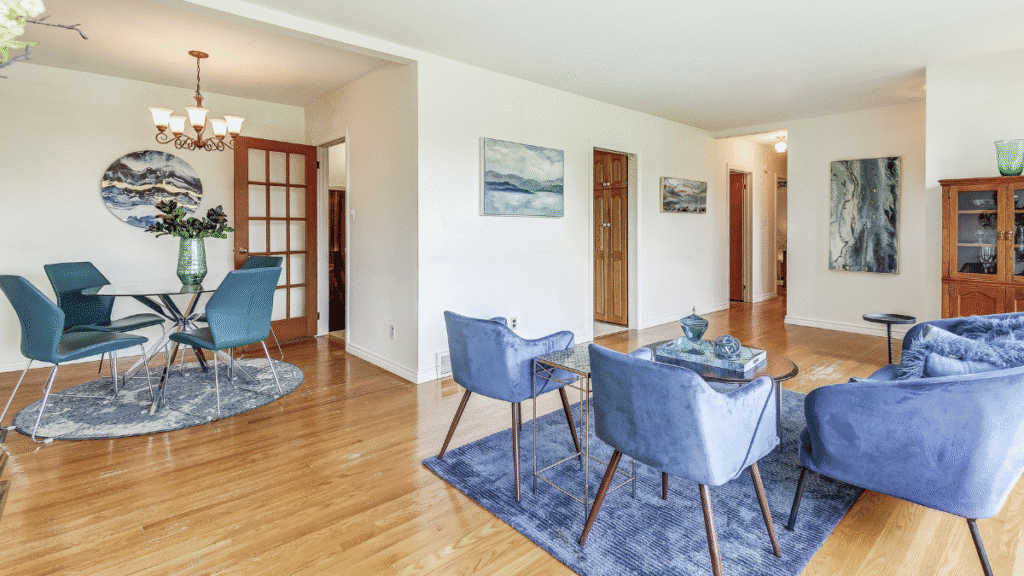
- A well-staged living room defines flow, highlights square footage, and makes the home feel inviting.
Tips: Arrange furniture to emphasize conversation, use neutral colors with pops of warmth, and maximize natural light.
For more detail on how to stage a living room you can visit this post.
Primary Bedroom – A Place of Rest
Buyers want to envision a sanctuary at the end of the day. A staged primary bedroom creates a calm, luxurious retreat that resonates emotionally.
- 34% of buyers’ agents rank the primary bedroom as the second most important room to stage.
- Sellers’ agents also stage this space frequently, recognizing its power to influence decisions.
Tips: Keep décor serene and minimal. Crisp bedding, layered pillows, and soothing artwork help buyers imagine restful nights.
These posts goes into more detail about staging bedrooms and staging a primary bedroom.
Kitchen – The Functional Showpiece
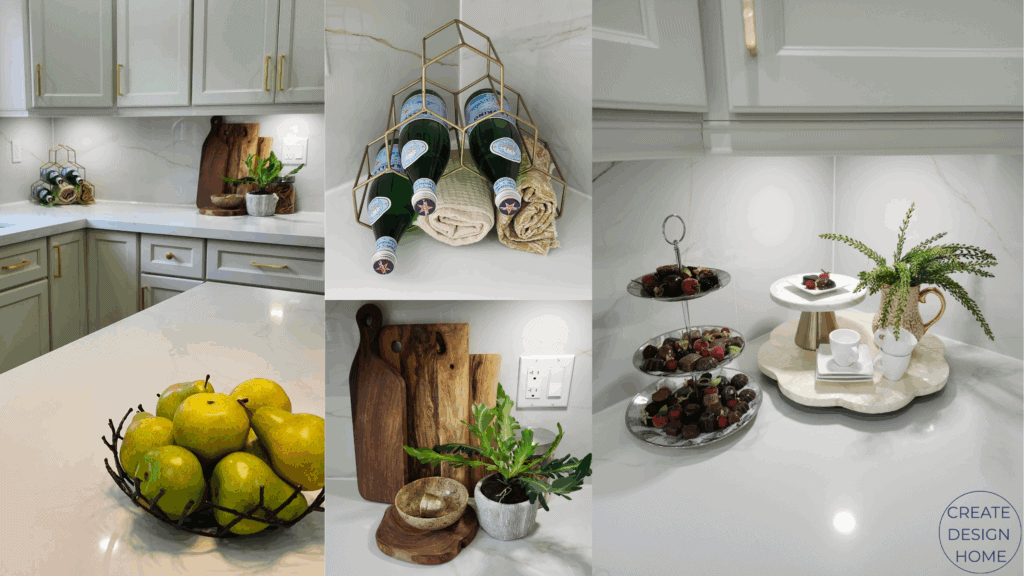
Even if buyers intend to renovate, a staged kitchen can still impress. Clean counters, styled open shelving, and fresh flowers suggest a lifestyle of ease and enjoyment.

- 23% of buyers’ agents named the kitchen as a key staging priority.
- Sellers’ agents report staging kitchens about 68% of the time.
Tips: Clear clutter, display a few upscale accessories (like a cutting board and cookbook), and ensure appliances sparkle.
Want to learn more about staging a kitchen? Read here.
Other Spaces That Add Value
- Dining Room: Often staged by nearly 70% of sellers’ agents. A simple table setting adds charm.
- Bathrooms: Fresh towels, candles, and greenery create a spa-like feel.
- Home Office: In today’s hybrid work era, a tidy, functional office is an attractive bonus.
- Basements: To read about Tips for Staging a Basement, visit here.
- What about Cupboards and Closets? You can read more here.
Costs and Considerations
Many sellers hesitate at staging costs, but compared to the potential return, it’s a wise investment.
- Professional staging typically ranges from $500 to $1,500 per room, depending on location and scope.
- Virtual staging can cost as little as $50–$150 per photo, making it a smart choice for condos or budget-conscious sellers.
- DIY staging—with a realtor’s guidance—can be done at minimal cost by editing, cleaning, and re-arranging existing furniture.
Considering that even a 1–2% increase in sale price often exceeds staging costs, the financial case is compelling.
Practical Staging Tips Sellers Can Use
- Declutter Ruthlessly – Remove excess furniture and personal items. Less truly is more.
- Depersonalize – Take down family photos, unique collections, and bold artwork.
- Neutralize Colors – Stick to light, timeless palettes that appeal to a wide range of buyers.
- Maximize Light – Clean windows, add lamps, and use mirrors to reflect brightness.
- Highlight Lifestyle – A cozy throw, fresh flowers, or a styled coffee table communicates how the space could feel.
Conclusion: Staging as a Smart Strategy
Home staging is not about covering flaws or tricking buyers—it’s about presenting a property in its best light. It makes homes more appealing online, creates emotional connections in person, and statistically leads to faster sales and higher offers.
By focusing on key rooms—the living room, primary bedroom, and kitchen—sellers can maximize the impact of staging without necessarily redesigning the entire home. Whether through professional help, virtual staging, or simple DIY updates, the effort pays dividends.
In the end, staging is less about furniture and décor and more about potential. It allows buyers to whisper to themselves and say, “I can see myself here.” And when that happens, offers follow.