
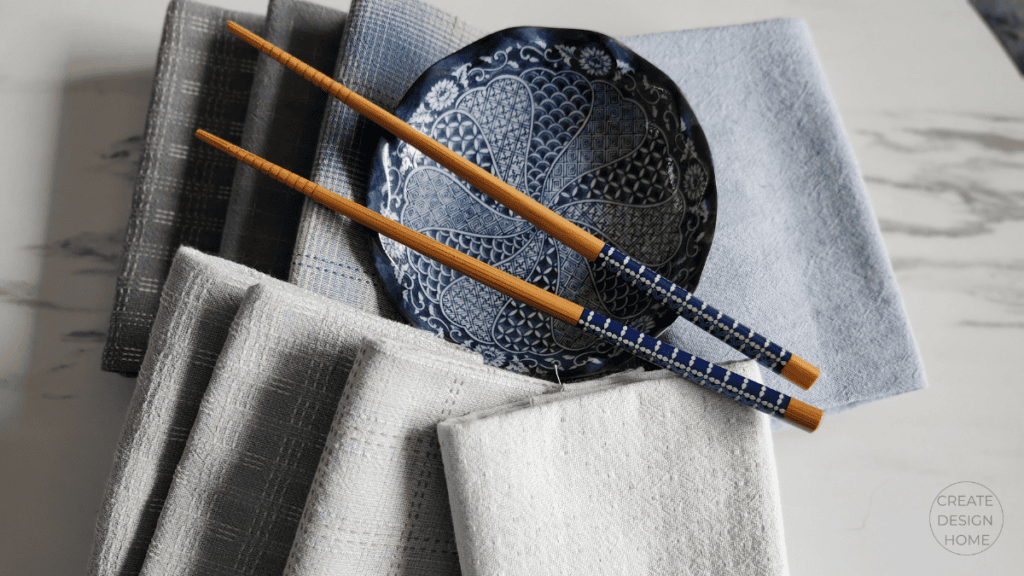
Shibui, Quiet Beauty: Subtle, Understated, Refined
Shibui, quiet beauty is subtle. It’s understated and refined without announcing itself.
This is a kind of beauty that does not announce itself. It doesn’t sparkle, or demand attention. It’s not there to try to impress. It just is. Quiet, confident.
In Japanese philosophy, Shibui, quiet beauty describes an aesthetic of subtle refinement. A beauty that reveals itself slowly. A beauty that grows richer with time and familiarity.
Shibui is not about perfection or choosing the latest trends. Instead, it’s about choosing what endures. Choosing quality.
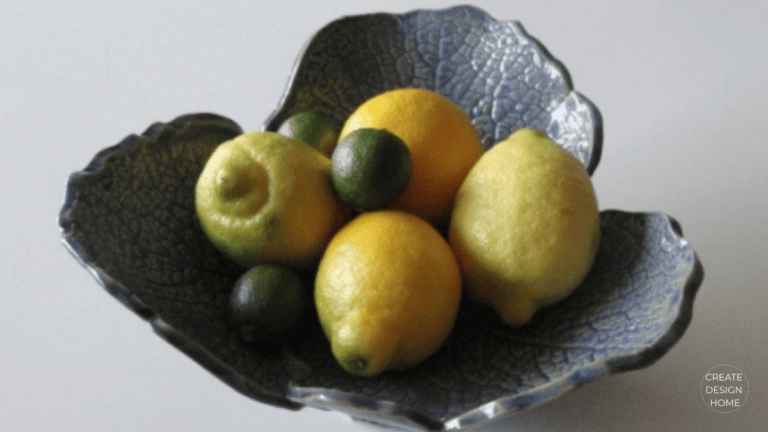
Picture a linen napkin softened by years of washing. Or a ceramic bowl with a slightly irregular glaze. That navy coat that never feels dated.
Shibui, quiet beauty, unfolds slowly. It rewards attention.
In interiors, Shibui, Quiet Beauty can look like:
• Texture over trend
• Depth over decoration
• Neutrals that feel layered, not flat
Shibui teaches patience and invites us to choose pieces we can live with for decades.
It is elegance without performance.
Shibui, Quiet Beauty as a Way of Seeing
At its heart, Shibui, quiet beauty is restraint paired with intention.
It values:
• Simplicity with depth
• Subtlety over show
• Character over polish
Shibui objects do not shout for attention. They invite you closer and reward you for noticing. They become more beautiful the longer you live with them.
The Difference Between Shibui and “Minimal”
Minimalism can sometimes feel stark or impersonal.
Shibui is different. It’s warm, tactile, layered.
A Shibui space might include:
• Linen that softens with age
• Wood with visible grain and variation
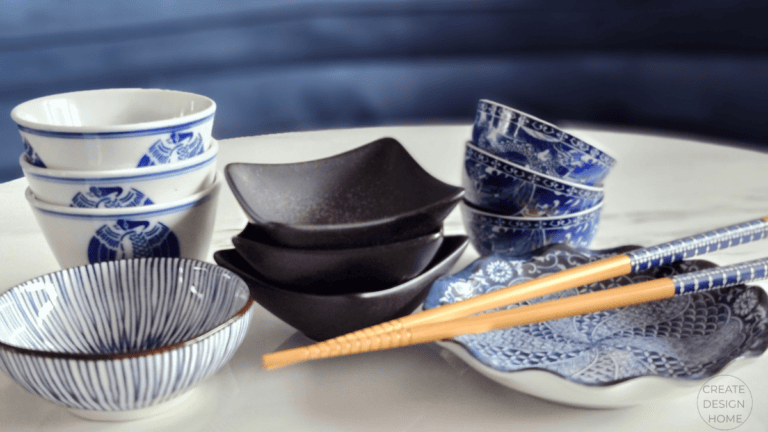
• Ceramics with gentle irregularities
• Colours that feel grounded rather than sharp
Nothing feels excessive. Nothing feels empty. Everything feels considered.

Shibui in the Home
When Shibui, quiet beauty guides a home, you may notice:
• Fewer pieces, chosen with care
• Materials that age gracefully
• Colours that feel calm and timeless
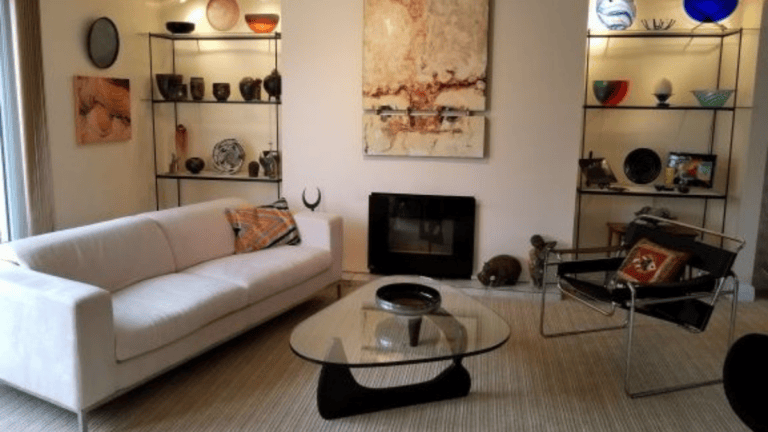
• Rooms that feel restful rather than styled
Shibui homes do not chase trends. They evolve slowly, feel collected, not decorated. Above all, they feel lived in.
Shibui in Everyday Living
Shibui extends beyond interiors.
It shows up in:
• A simple morning ritual
• A well-loved mug
• A favourite coat worn season after season
• A pared-back wardrobe of trusted pieces
These choices reflect a life that values quality, comfort, and longevity.
Shibui reminds us that more is not always better.
Often, better is simply better.
Small Ways to Invite Shibui, Quiet Beauty Into Your Life
You don’t need to overhaul your home.
Start slowly:
• Edit one surface
• Replace one overly trendy item with something timeless
• Choose natural materials where possible
• Let go of pieces that feel noisy or distracting
Over time, a quieter visual language begins to emerge. One that feels steady and feels like home.
The Gift of Shibui
Shibui teaches us patience. It teaches us to trust our instincts. It encourages us to build lives — and homes — that feel grounded, calm, and deeply personal.
Not because they impress others. But because they support us.
That is the quiet power of Shibui, quiet beauty.

Explore the Complete Japanese-Inspired Living Series
Inspired by Japanese concepts of simplicity, beauty, mindfulness, and intentional living, this series explores timeless ideas that can help create a calmer, more meaningful home. Begin with the hub page for an overview, browse the curated shop collection, or explore each philosophy individually.
Start Here: Japanese-Inspired Living Hub
Shop the Collection: Shop Japanese-Inspired Living
Explore the Philosophies Below
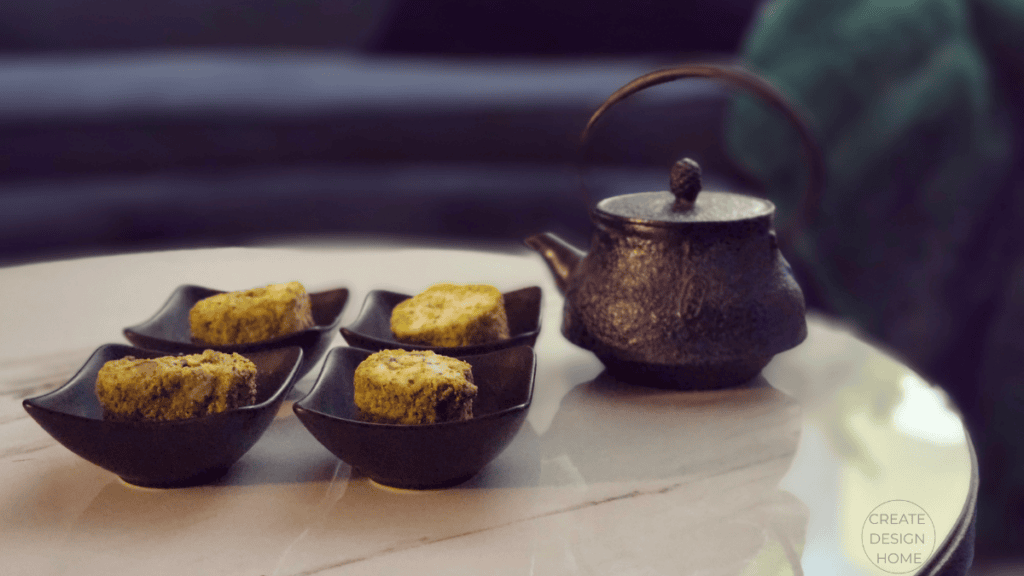
Seiri: Creating Order by Choosing What to Keep – Clear space by choosing what truly deserves a place
Kanso: Warm Simplicity – Embrace simplicity without sacrificing comfort or beauty.
Ma: The Space Between – Discover the power of intentional space and pause.
Shibui: Quiet, Understated Beauty – Find elegance in subtle details and restrained design.
Ikigai: A Reason for Being – Explore purpose, meaning, and everyday fulfillment.
Shibumi: Effortless Excellence – Pursue refinement through ease, grace, and simplicity.
Wabi-Sabi: Beauty in Imperfection – Appreciate imperfection, authenticity, and the passage of time.
Ichigo Ichie: One Moment, One Meeting – Cherish each moment as unique and unrepeatable.
Mushin: Calm Focus – Cultivate clarity by letting go of mental clutter.
Kaizen: Continuous Improvement – Create lasting change through small, consistent steps.
