Wabi-Sabi, Beauty in Imperfection and the Grace of Time
In Japanese philosophy, Wabi-Sabi, beauty in imperfection invites us to see beauty in what is weathered, uneven, and imperfect. It honours the quiet poetry of age, wear, and time.
We are surrounded by messages that tell us everything should look new.
Unmarked. Unblemished. Perfect. But life is not new. Life is layered.
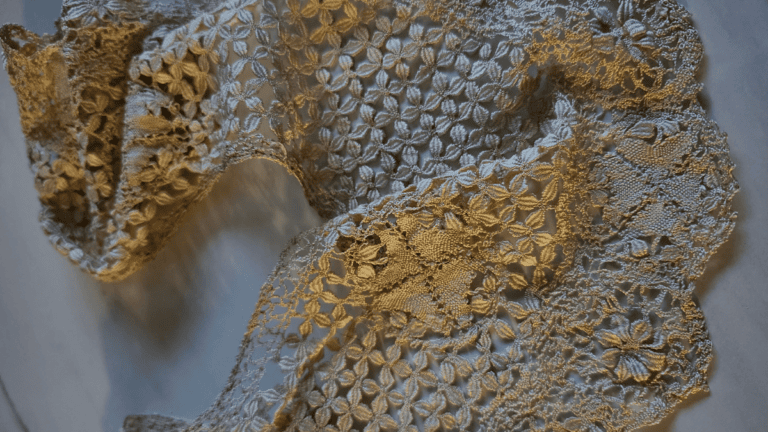
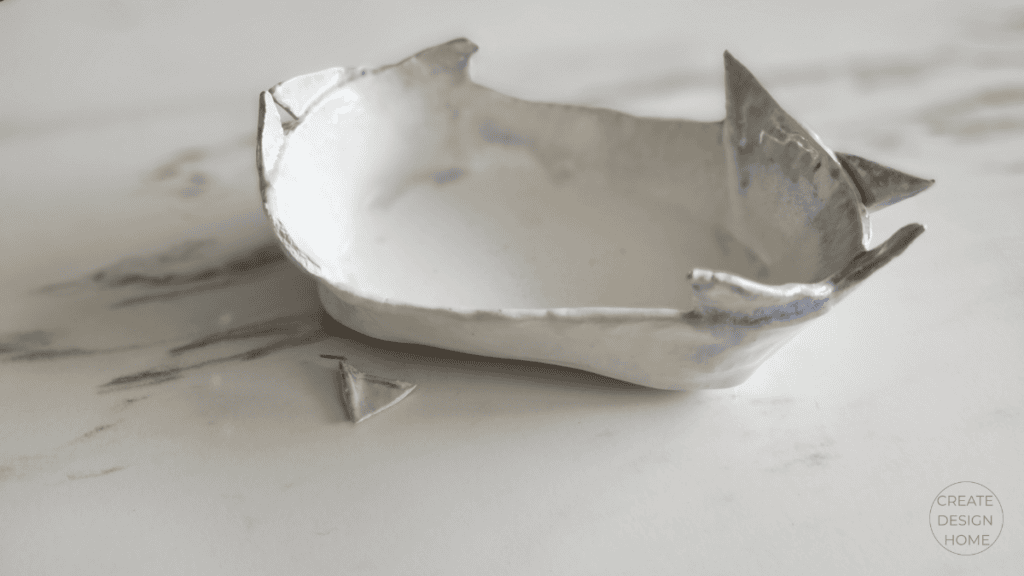
Wabi-Sabi sees beauty in the weathered, the asymmetrical, the imperfect. A crack in a plate. A floor softened by footsteps. A story written in wear.
It frees us from perfectionism, and allows our homes — and lives — to feel lived in.
Wabi-Sabi is not about flaws. It is about truth.
Seeing Beauty Through a Wabi-Sabi Lens
At its heart, Wabi-Sabi, beauty in imperfection recognizes that nothing stays the same.
Everything shifts. Everything ages. Everything carries a story.
Rather than resisting this, Wabi-Sabi encourages us to notice the beauty within it.
A softened edge, a visible repair, a patina that deepens.
These are not defects. They are evidence of life.
The Difference Between Wabi-Sabi and Rustic
Wabi-Sabi is often mistaken for rustic or rough. But it is more subtle than that. Wabi-Sabi can be refined.
It can be quiet, deeply elegant. The key is authenticity.
Nothing is pretending to be something it is not.
Wabi-Sabi in the Home
When Wabi-Sabi, beauty in imperfection guides a home, you may notice:
• Natural materials
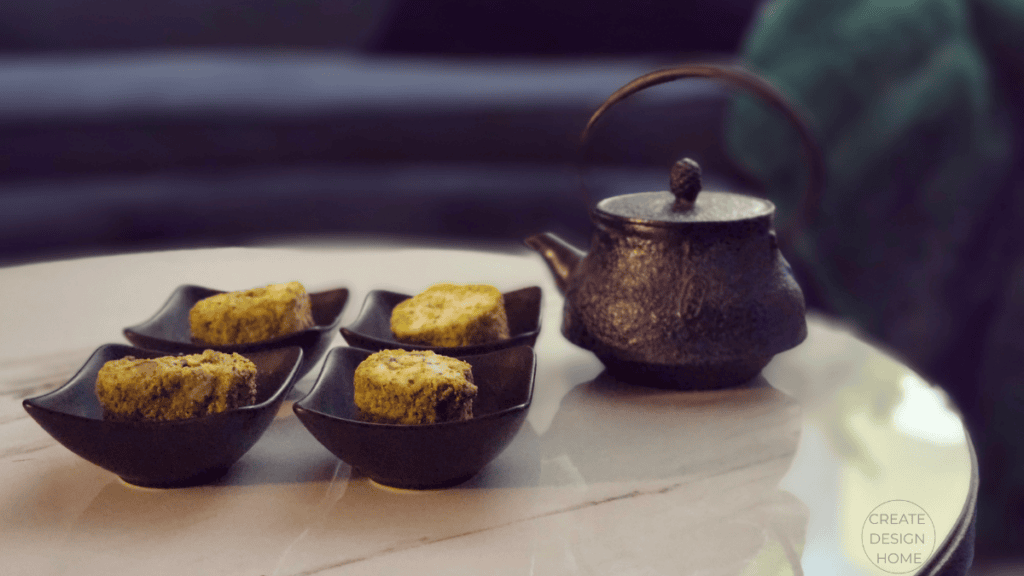
• Handmade objects
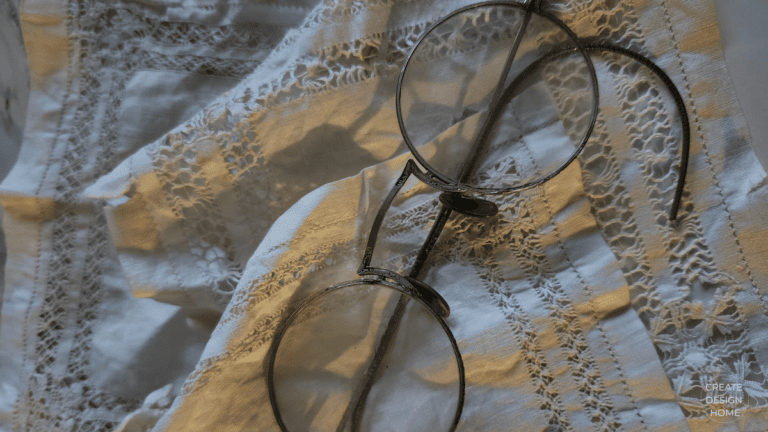
• Signs of age and use
• A sense of calm rather than polish
Homes shaped by Wabi-Sabi feel human. They feel lived in, and honest.
Wabi-Sabi in Everyday Living
Wabi-Sabi also applies to us.
It invites us to:
• Release unrealistic expectations
• Accept changing seasons of life
• Make peace with unfinished projects
• Embrace growth that is not linear
Perfection softens, and self-compassion grows.
Small Ways to Invite Wabi-Sabi, Beauty in Imperfection
You might begin with:
• Keeping an object you once thought should be replaced
• Choosing handmade over mass-produced
• Allowing patina to remain
• Letting a room feel complete without being perfect
Wabi-Sabi does not rush. It unfolds.
The Quiet Gift of Wabi-Sabi
When we embrace Wabi-Sabi, beauty in imperfection, something gentle happens.
We stop fighting reality. We begin appreciating it. We allow ourselves — and our homes — to be works in progress.
Not because they are lacking, but because they are alive.
Explore the Complete Japanese-Inspired Living Series
Inspired by Japanese concepts of simplicity, beauty, mindfulness, and intentional living, this series explores timeless ideas that can help create a calmer, more meaningful home. Begin with the hub page for an overview, browse the curated shop collection, or explore each philosophy individually.
Start Here: Japanese-Inspired Living Hub
Shop the Collection: Shop Japanese-Inspired Living
Explore the Philosophies Below
Seiri: Creating Order by Choosing What to Keep – Clear space by choosing what truly deserves a place
Kanso: Warm Simplicity – Embrace simplicity without sacrificing comfort or beauty.
Ma: The Space Between – Discover the power of intentional space and pause.
Shibui: Quiet, Understated Beauty – Find elegance in subtle details and restrained design.
Ikigai: A Reason for Being – Explore purpose, meaning, and everyday fulfillment.
Shibumi: Effortless Excellence – Pursue refinement through ease, grace, and simplicity.
Wabi-Sabi: Beauty in Imperfection – Appreciate imperfection, authenticity, and the passage of time.
Ichigo Ichie: One Moment, One Meeting – Cherish each moment as unique and unrepeatable.
Mushin: Calm Focus – Cultivate clarity by letting go of mental clutter.
Kaizen: Continuous Improvement – Create lasting change through small, consistent steps.